- Period
- 1960s-1970s
- Distance
- 40 min by tram from the Rynek
Arka Pana: the church Nowa Huta built by hand
Planned without a church, Nowa Huta’s residents defended a cross, then helped build Arka Pana in Bieńczyce.
Was Nowa Huta planned without a church?
Nowa Huta was planned in 1949 without a single church. The absence was part of the plan, but it did not settle the matter for the people who lived there. In April 1960, residents defended a wooden cross on the site of a planned church, in a clash with the militia.
The cross was a sign of a church that had not yet been built. I keep coming back to that small, plain fact: before there was Arka Pana, there was a place set aside for a church and a wooden cross that people chose to defend. In a town planned without one, even this beginning carried the weight of a promise.
The cross was a sign of a church that had not yet been built.
How did Arka Pana come to be built?
Building began in Bieńczyce in 1967. Much of the work was done by volunteers from the parish. The church was designed by the architect Wojciech Pietrzyk, but the labour of its making was shared by the parish community.
There is a particular intimacy in that combination: an architect’s design and the work of people who wanted a church in their own estate. I cannot separate the building from the story of its beginning. The residents’ defence of the cross and the parish volunteers’ labour belong to the same long effort, though each belongs to a different moment.
Why does it look like an ark?
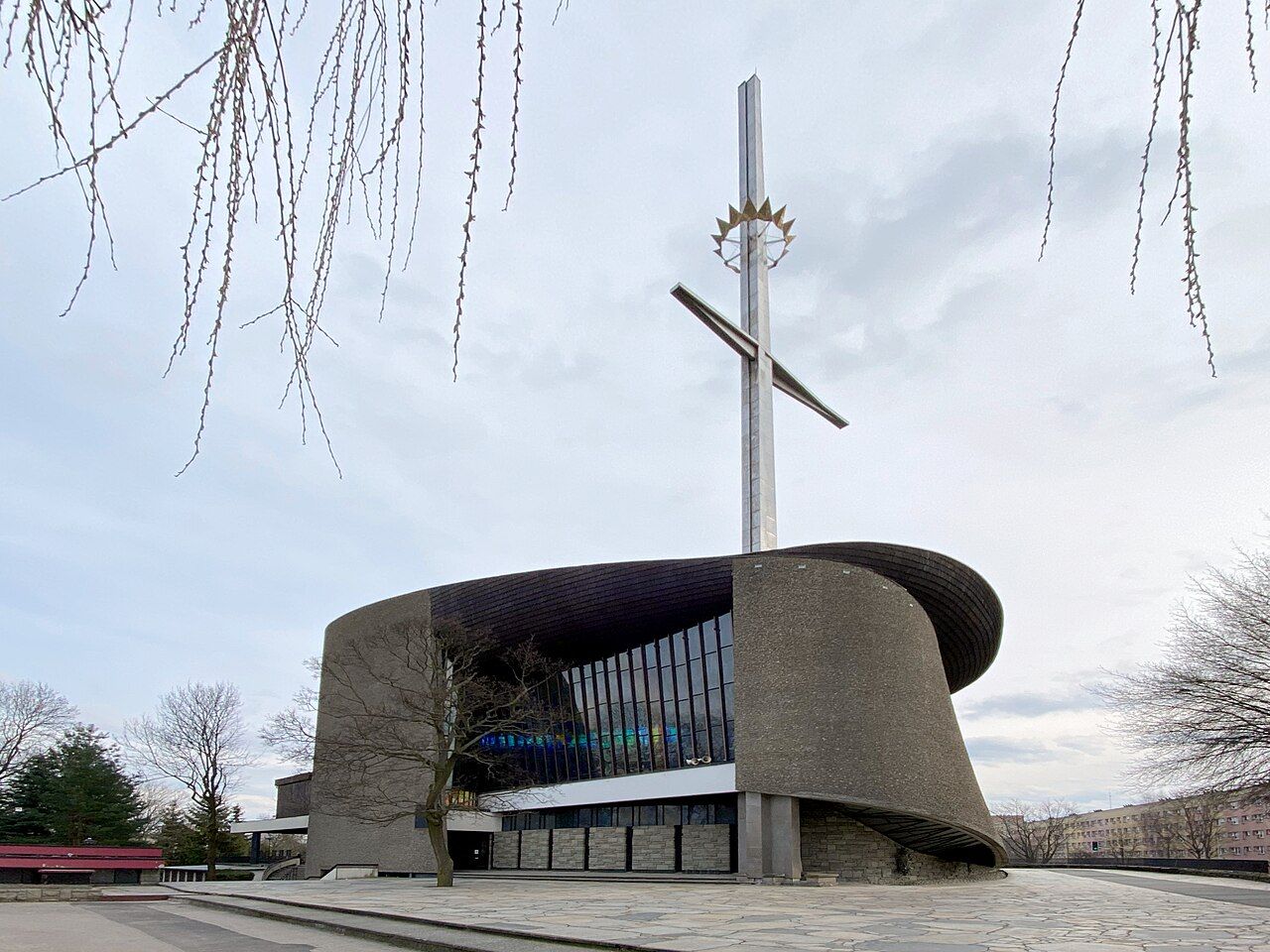
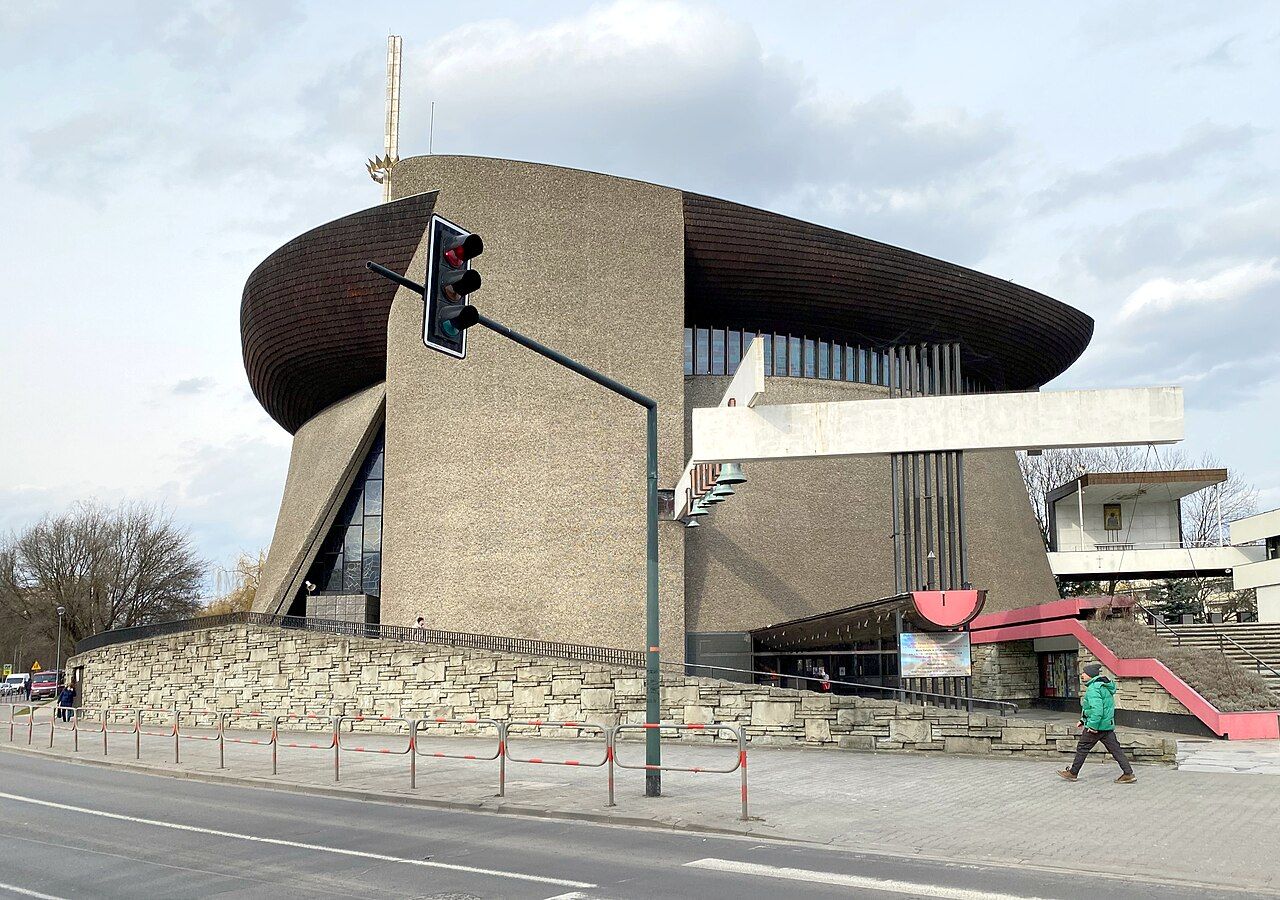
Arka Pana’s shape recalls Noah’s Ark. A mast-like cross rises from its roof, carrying the image of a vessel into the outline of a church. About two million smooth stones from Polish rivers cover the façade. The name, the shape and the stones make the building read as a whole, rather than as a structure with a story added afterwards.
For contrast, I think of an older church in Mogiła and the different span of time held in those words. Arka Pana belongs to a more recent chapter: its beginnings are tied to a town planned without a church, and to the residents who insisted on a place for one.
What are the useful details?
- Arka Pana stands in Bieńczyce, one of the estates of Nowa Huta.
- From Rynek: 40 min by tram.
- Its building belongs to the 1960s-1970s.
What is inside the church?
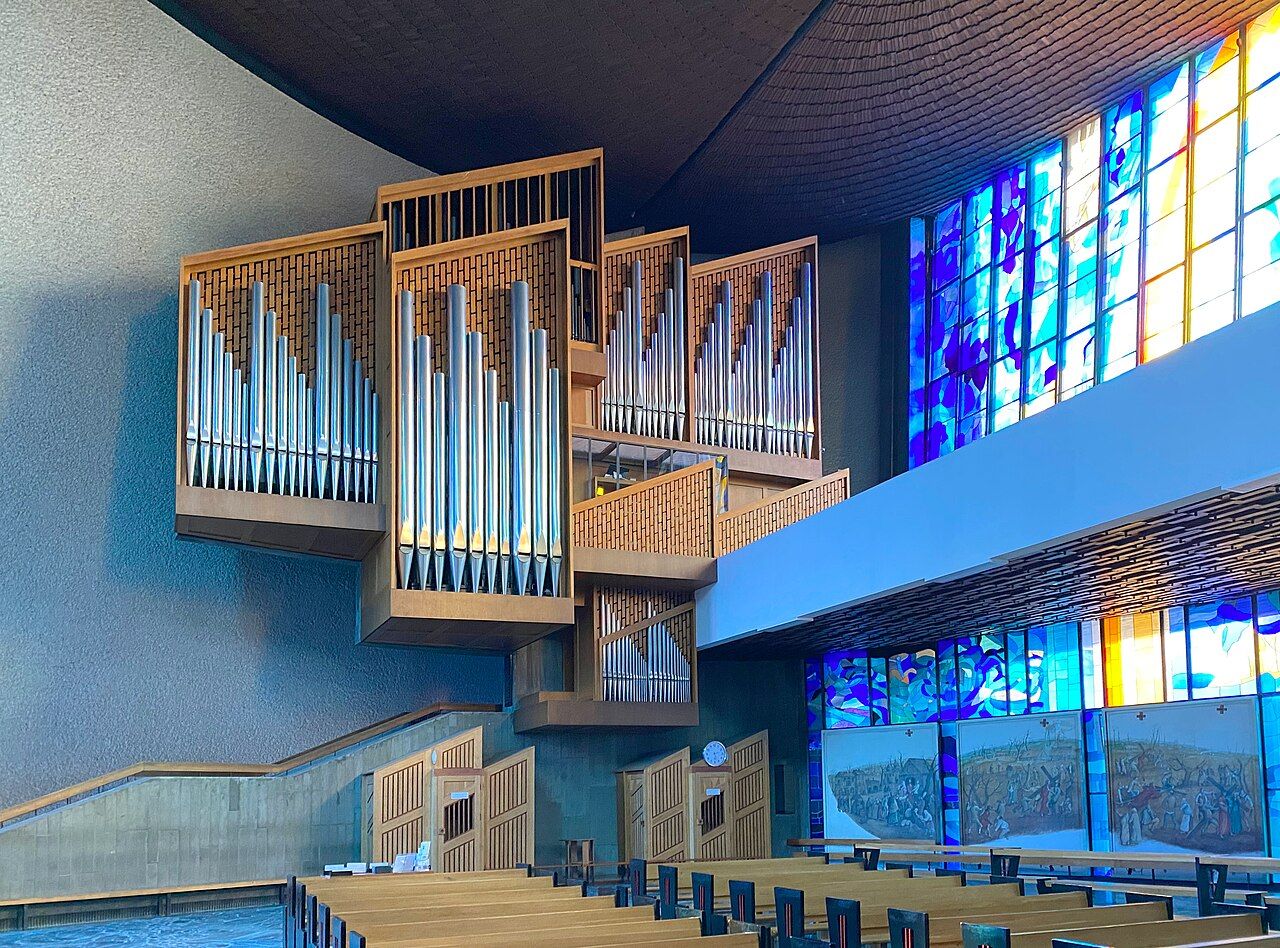
A large bronze figure of Christ on the cross hangs in the nave. It was made by Bronisław Chromy. In the lower church is a figure of the Virgin Mary called the Armoured Mother of God. It is made from metal fragments removed from soldiers wounded at Monte Cassino.
The two figures hold different histories within the same church: the bronze Christ in the nave, and the fragments gathered into the lower church’s image of Mary. I return to the thought of the material itself. The façade is covered with smooth stones from Polish rivers; the figure below is made from metal fragments. Here, the materials are not incidental details. They are part of what the church says.
What did Arka Pana become?
Cardinal Karol Wojtyła consecrated Arka Pana on 15 May 1977. In the 1980s, it became a centre of opposition to the communist government. Its history did not end with the building’s completion: the church continued to carry a public meaning in Nowa Huta.
I find myself thinking of the long passage from the planned absence of 1949 to the consecration in 1977, and then to the role Arka Pana held in the 1980s. The dates mark more than the progress of construction. They hold the determination of residents who defended a cross, the work of parish volunteers, and the life of a church that became a centre of opposition.
Why has this place stayed with me?
What stays with me about Arka Pana is how closely its shape and its history belong together. The church recalls an ark, with a cross rising like a mast; it stands in Bieńczyce, one of Nowa Huta’s estates, a town planned without a church. The outline is not separate from the people who wanted a church here. It sits alongside their defence of the wooden cross and the parish volunteers’ work on the building.
I think of the smooth river stones on the façade, and of the metal fragments that make the Armoured Mother of God in the lower church. Each detail leads back to something beyond decoration: the place’s materials, the people who made it, the events that shaped its meaning. Arka Pana gathers these things without making them feel like separate chapters.
There is a wistfulness in the distance between the cross on the planned site and the church that followed. I do not mean distance in the sense of a journey. It is the passage from a town planned without a church to a building made through a parish’s labour, then consecrated and drawn into the public life of Nowa Huta. I carry that sequence with me when I think of Bieńczyce. The church’s story is also the story of a place becoming more than the plan that first made room for it.
More from Nowa Huta and beyond
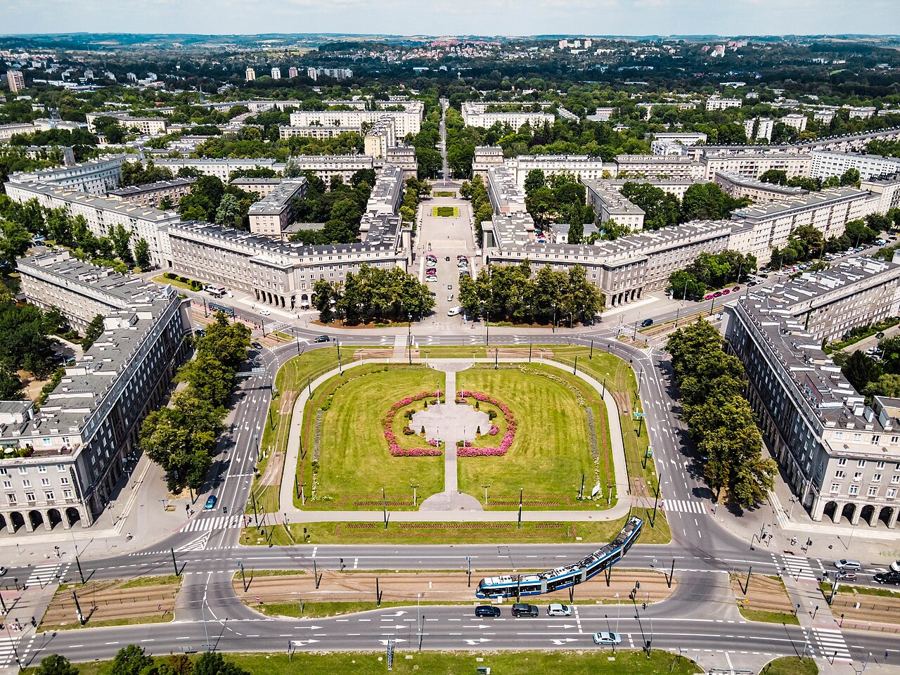 The planned townPlac Centralny and the idea of an ideal town
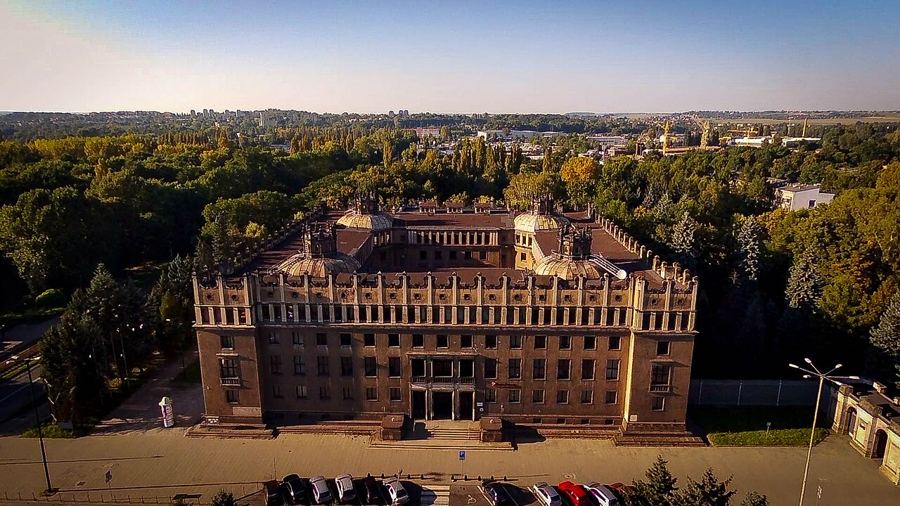 The planned townWhat makes the steelworks’ gate look like a palace?
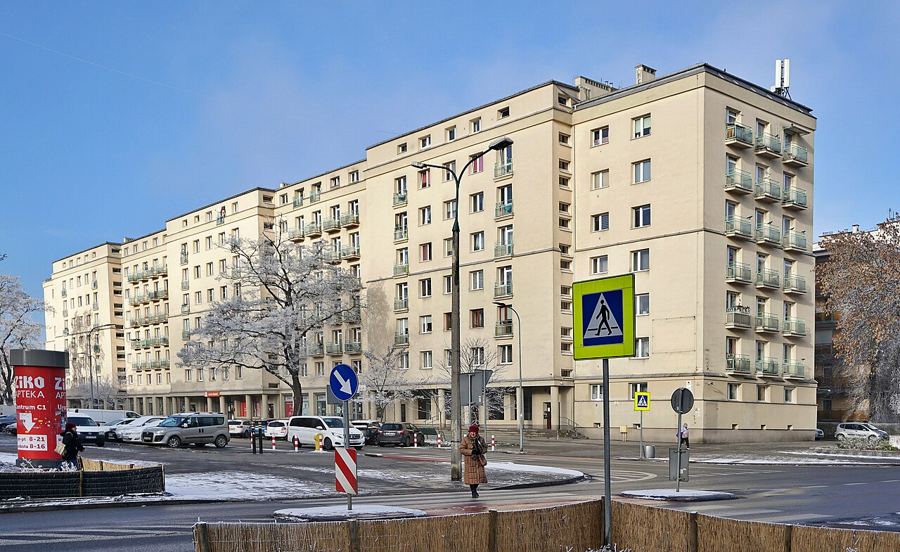 The planned townWhat do the courtyards of Nowa Huta still hold?
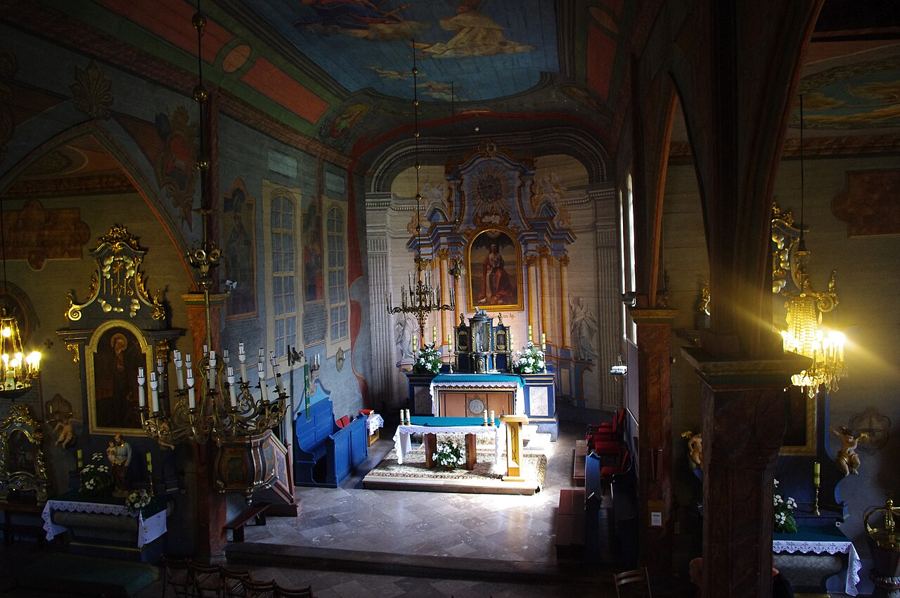 Old MogiłaThe Cistercians of Mogiła
 Old MogiłaWanda Mound and the white eagle
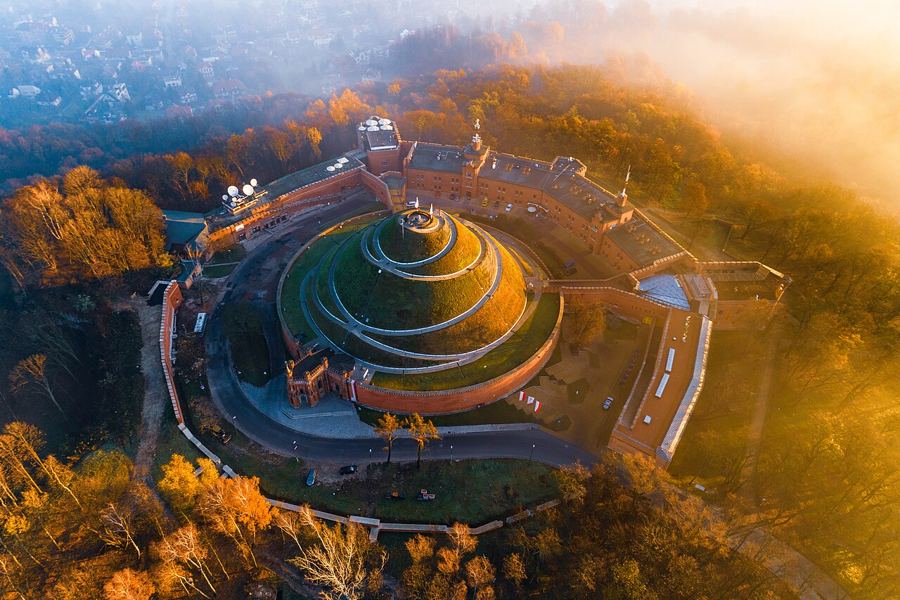 MoundsA mound built for Kościuszko
Photographs used: Piotr Tomaszewski-Guillon / dronographyapplied.com — Creative Commons BY-SA 4.0; TomRollauer — Creative Commons BY-SA 4.0; Igor123121 — Creative Commons BY-SA 4.0; Jacek555 (Jacek Plewa) — Creative Commons BY 3.0; Mateusz Giełczyński — Creative Commons BY-SA 4.0; Pawelsuder — Creative Commons BY-SA 4.0