II
Wawel Hill
Wawel Hill is a limestone rise on the Vistula, at the southern end of the Old Town. The royal castle and cathedral share its top; Polish kings were crowned and buried here for centuries. Beneath the hill, a cave belongs to the legend of the Wawel Dragon.
The castle
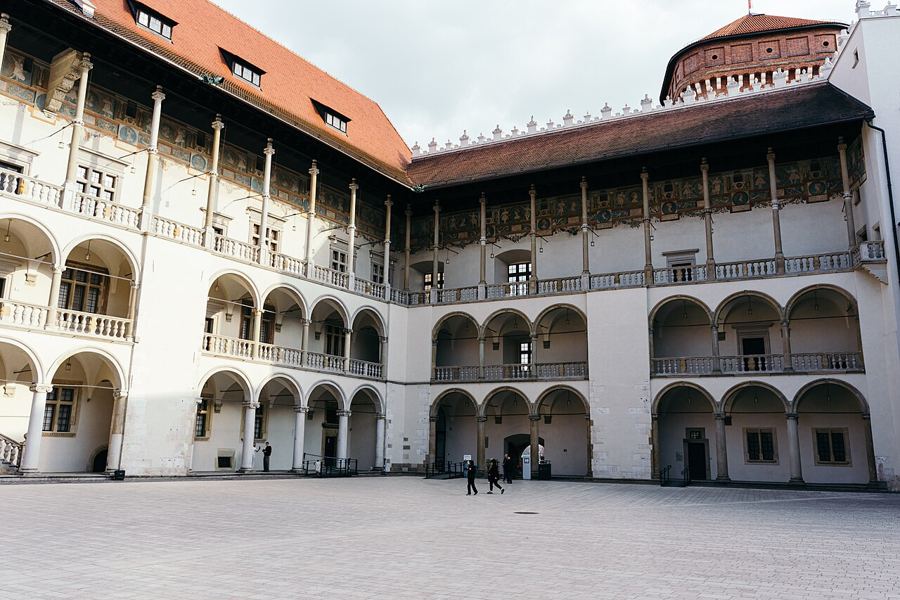 The arcaded courtyard of Wawel CastleThree levels of galleries, Flemish tapestries and carved heads bring the Renaissance rebuilding of a royal residence into view on Wawel Hill.16th century · 15 min from the Rynek
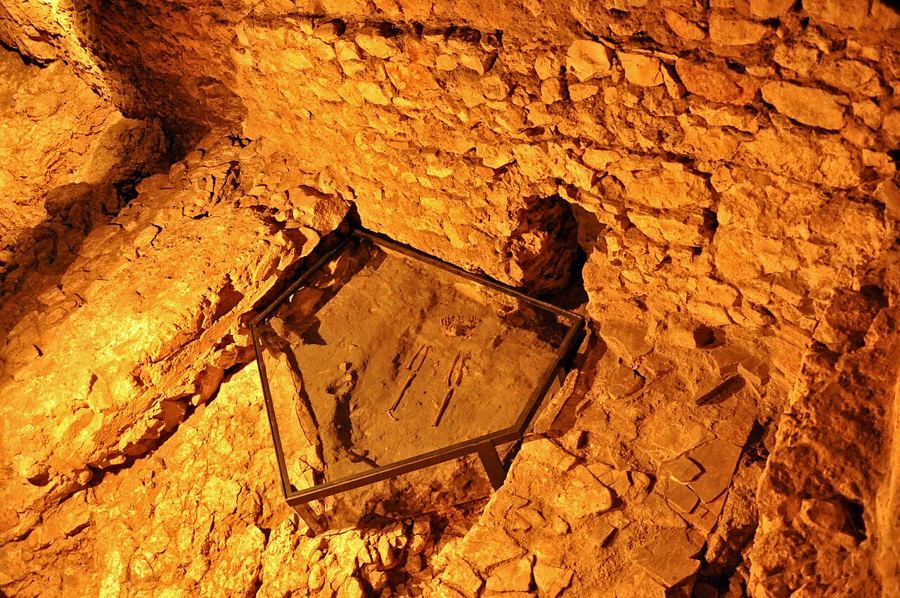 What came before the castle on Wawel Hill?A step-by-step reading of the hill before the castle: a rotunda, excavated traces, and models that show Wawel at several stages of its building history.10th-11th century · 15 min from the Rynek
Cathedral and bell
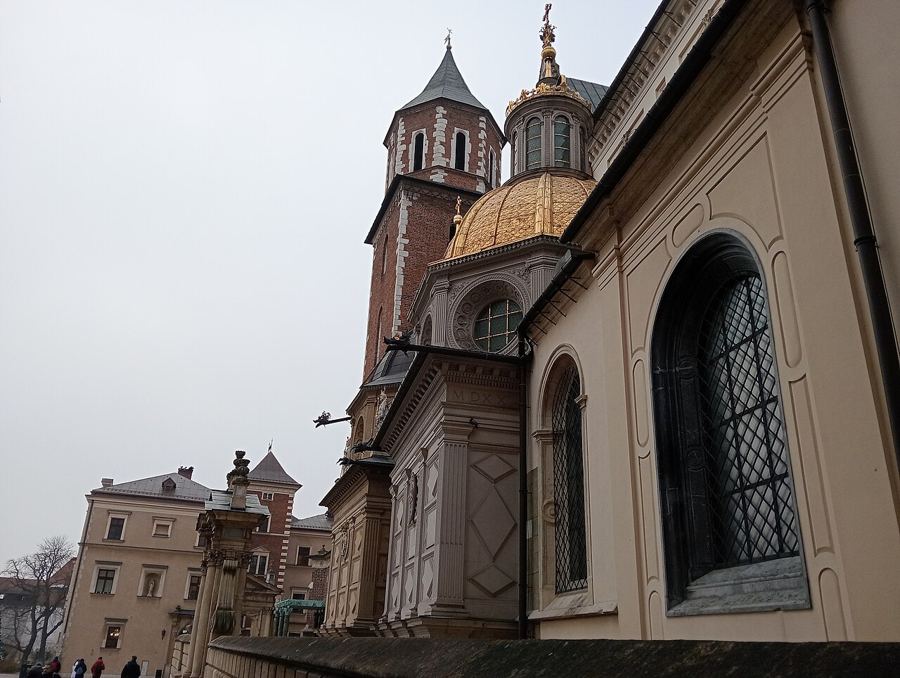 Where were Polish kings crowned and buried?A cathedral of coronations, royal tombs and later national burials, where one can follow Polish memory from a silver coffin in the nave to crypts beneath the church.14th-16th century · 15 min from the Rynek
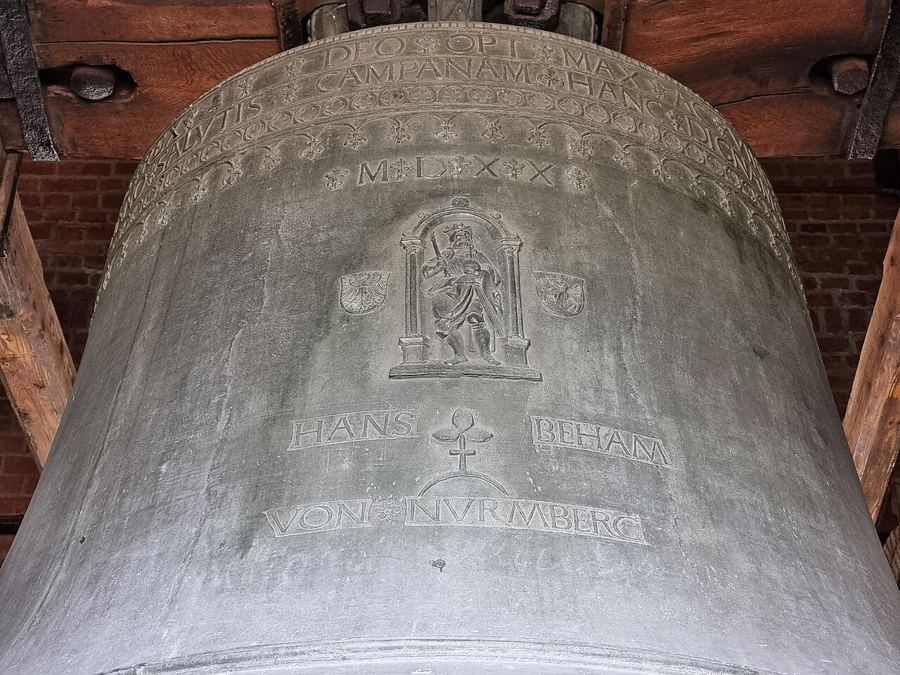 The Sigismund Bell: a voice rung by handCast in 1520 and still swung by a team of bell-ringers, the Sigismund Bell gives its voice to major church feasts and moments of national importance.16th century · 15 min from the Rynek
Dragon lore
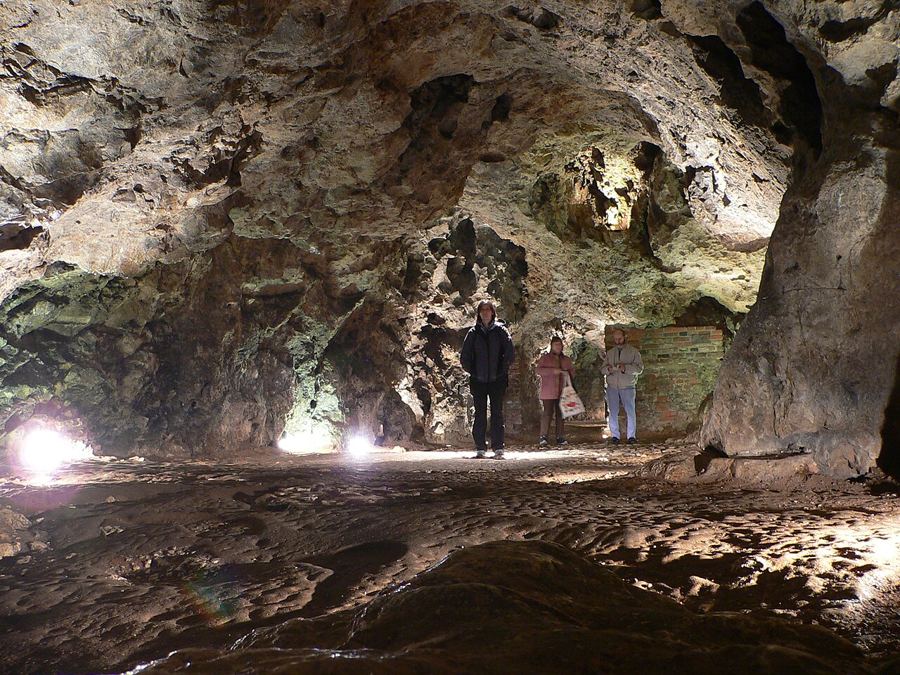 How did the Wawel Dragon enter the written record?The cave is real; its dragon changes from one telling to another, from Krak’s sons in a chronicle around 1200 to Skuba and the sulphur-filled sheep.legend; 20th century · 15 min from the Rynek
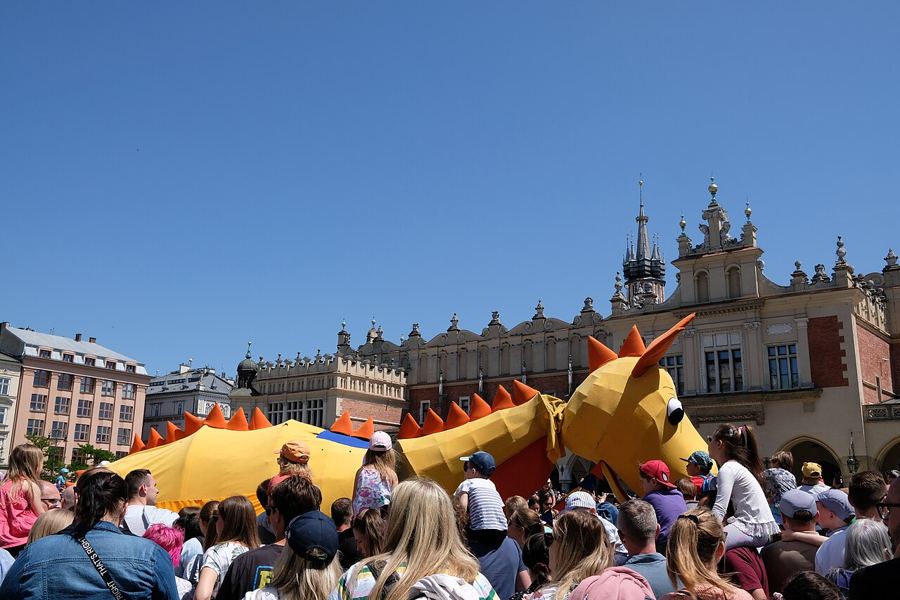 A parade of dragons on the VistulaEach June, Kraków turns the Wawel dragon legend into a children's festival, with home-made dragons winding through the Old Town and floating on the river.since 2000 · 15 min from the Rynek
Photographs used: Lloyd Tudor — Creative Commons BY-SA 4.0; Jennifer Boyer — Creative Commons BY 2.0; Franek Vetulani — Creative Commons BY-SA 3.0; Zala — Creative Commons BY-SA 4.0; Craig Nagy from Vancouver, Canada — Creative Commons BY-SA 2.0; Dwxn — Creative Commons BY-SA 4.0