- Period
- 1820s
- Distance
- 45 min from the Rynek
A mound built for Kościuszko
Volunteers carried earth to Bronisława Hill in memory of Tadeusz Kościuszko, making a monument whose quiet material is part of its story.
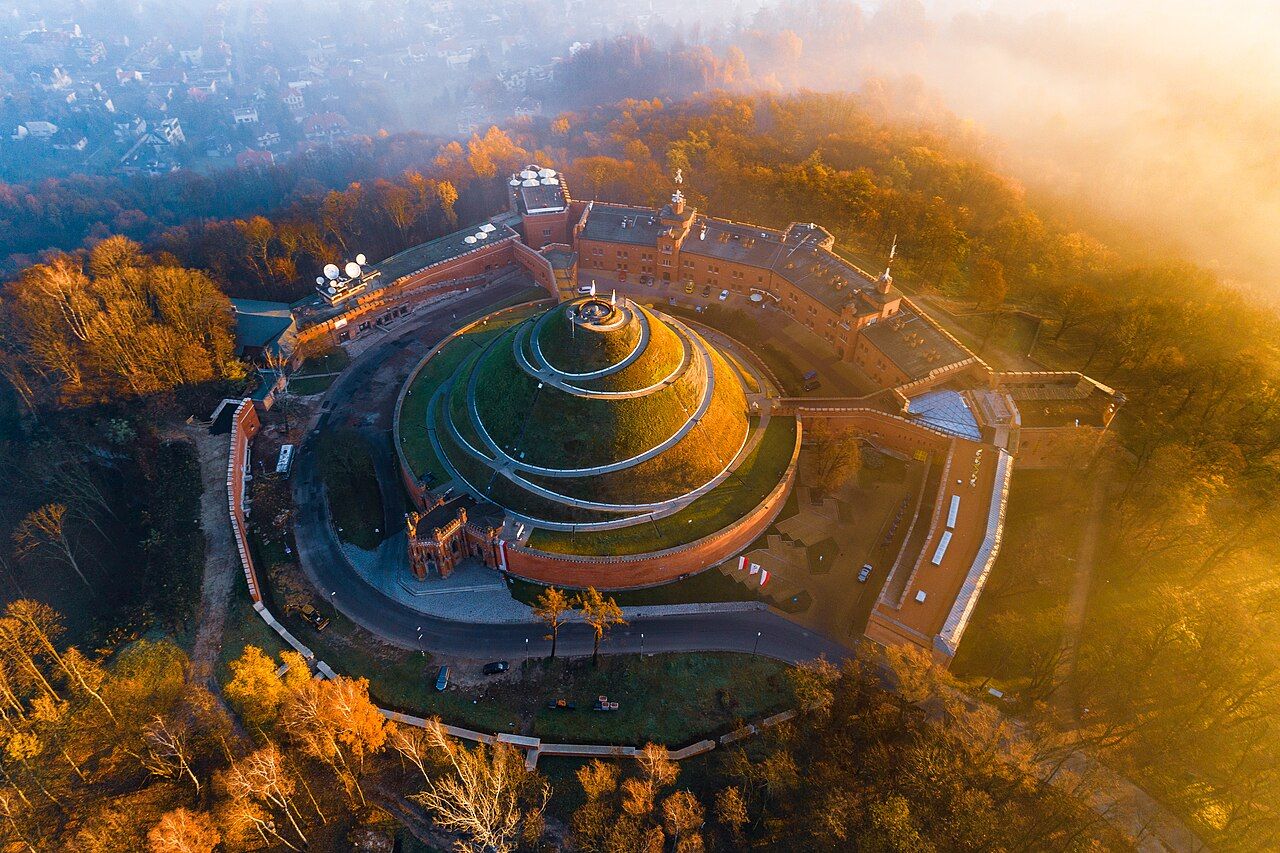
A spiral path winds upwards over a mound of earth on Bronisława Hill. At its foot stands a brick fortress, built later around the base. I find it hard to separate these two shapes: the earth raised by the people of Kraków, and the walls that came to surround it.
Why was the mound raised?
Kościuszko Mound was raised between 1820 and 1823 in memory of Tadeusz Kościuszko, who died in 1817. It was made by volunteers from Kraków and beyond, who carried earth to build it. Soil from the battlefields of Racławice and Maciejowice was placed in the mound, so the earth here holds more than one place in its history.
The mound gives memory a shape made of earth.
The mound gives memory a shape made of earth.
There is something plain and affecting in that idea. No single gesture made the mound; it rose through the carrying of earth, load after load, by people who came from Kraków and beyond. I think of the difference between a monument that is shaped in a workshop and one that is raised by many hands. This one keeps the material of its making close to the surface: soil, gathered and lifted, then made into a hill.
What does the earth remember?
The soil from Racławice and Maciejowice connects the mound to the battlefields named in its story. I do not need to imagine more than that connection. The earth gives the monument its form, while the memory it carries reaches beyond Bronisława Hill. Those two scales sit together in a way that stays with me: a mound you can follow upwards by a spiral path, and the much larger history gathered into its making.
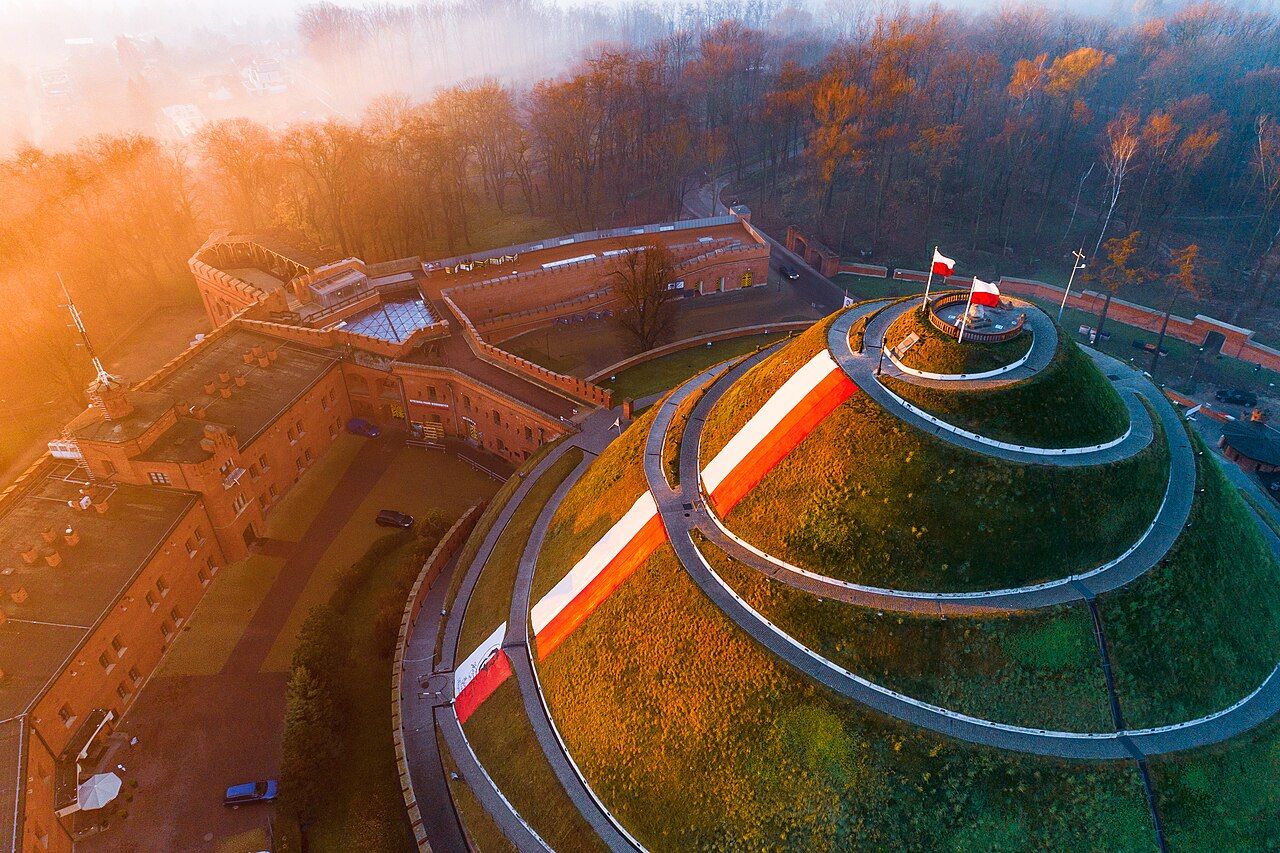
Perhaps that is why an earth monument feels different to consider. Its material is not distant from the ground around it. The mound rises from earth, yet it is also made from earth carried there by volunteers. The simplest description contains the work and the intention together.
What are the essential details?
- Where: Bronisława Hill in Zwierzyniec.
- Height: about 34 metres.
- Route upwards: a spiral path leads to the top.
- View: on clear days, the Tatra Mountains can be seen from the top.
- At the foot: a museum of Kościuszko's life is set in the fortress.
Why is there a fortress around it?
The Austrians built a brick fortress around the base of Kościuszko Mound between 1850 and 1854. The mound had been raised first; the fortress came later, giving this place a second layer of history without replacing the earthwork at its centre. The neo-Gothic Chapel of Blessed Bronisława stands within the fortress walls.
The walls change how I think about the mound. It is not simply an isolated rise on a hill, but a monument held within a later structure. And yet the path still leads upwards, towards the top of the earth itself. The fortress and the mound belong to different moments; together, they make the place feel like a story that has continued to gather around its first purpose.
Has the mound changed?
Heavy rains in 1997 damaged the mound. It was restored over the following years. I find that detail quietly moving, because the work of making the mound did not end with its raising. The earth needed care again, and the monument was restored rather than left to its damage. There is a modest continuity in that: first volunteers carried the soil; later, work was needed to keep the mound whole.
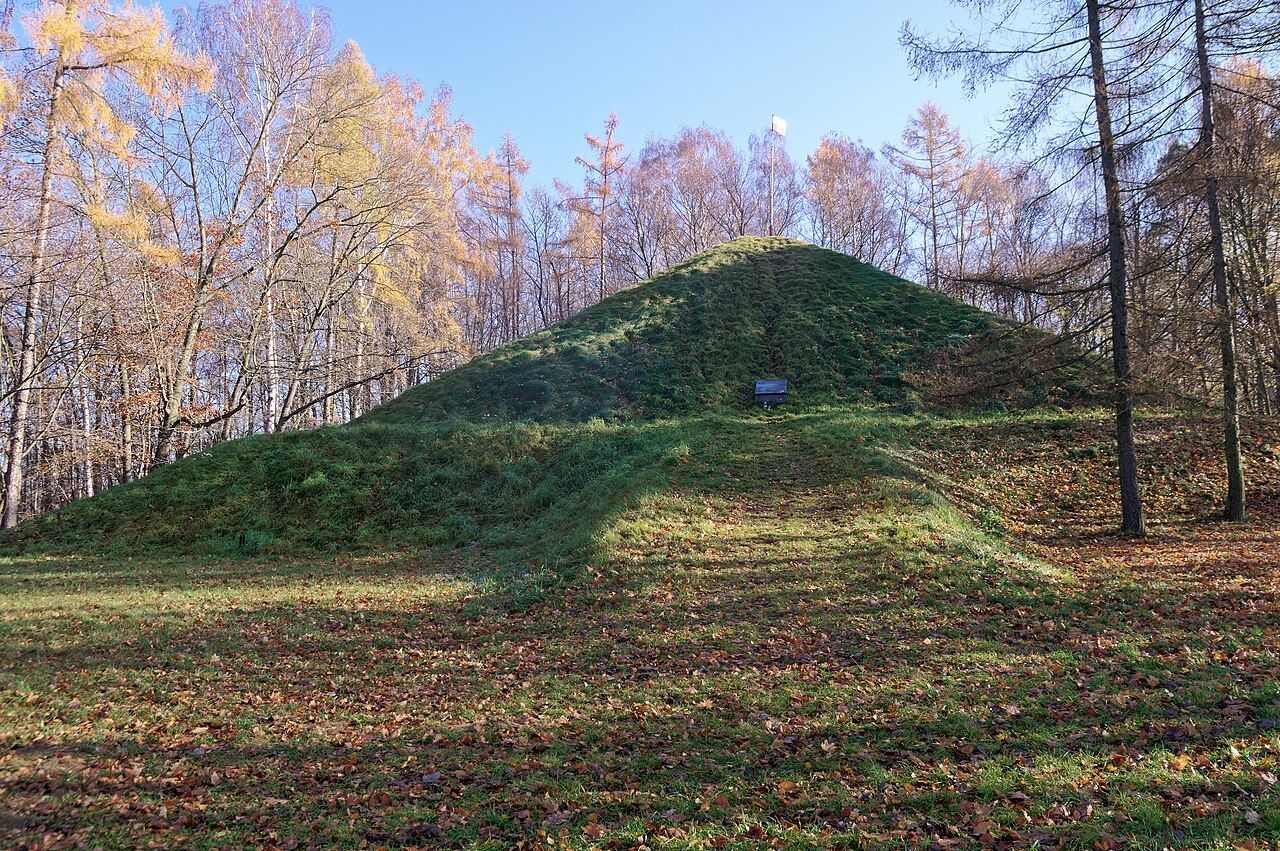
The committee that has cared for the mound since its building publishes its history at kopieckosciuszki.pl. That long care is part of what draws my attention back to the place. The mound is a memorial, but it is also earth that has been tended across time.
What stays with me about it?
I keep returning to the smallness of the material and the breadth of what it holds. Earth was carried from near and far, and soil from Racławice and Maciejowice was placed here. The result is about 34 metres high, with a spiral path leading to its top. Those details are clear and physical. The memory is less easily measured, though it has a place to stand.
From the top, on clear days, the Tatra Mountains can be seen. Below, the fortress surrounds the base, with the museum of Kościuszko's life set within it. I like the way the mound keeps its first substance in view even as later history gathers around it. When I think of monuments, I often think of what they are made from; here the answer is not hidden behind the story. It is the story's ground.
In the wider landscape of Kraków's mounds, this one sits beside the largest mound in the city in my thoughts, a comparison that begins with their shared form. And the earth of the hill brings to mind the forest on the city's west side, another name for the ground around this part of the city.
I like that this monument asks memory to take the shape of earth.
More from Zwierzyniec and the West and beyond
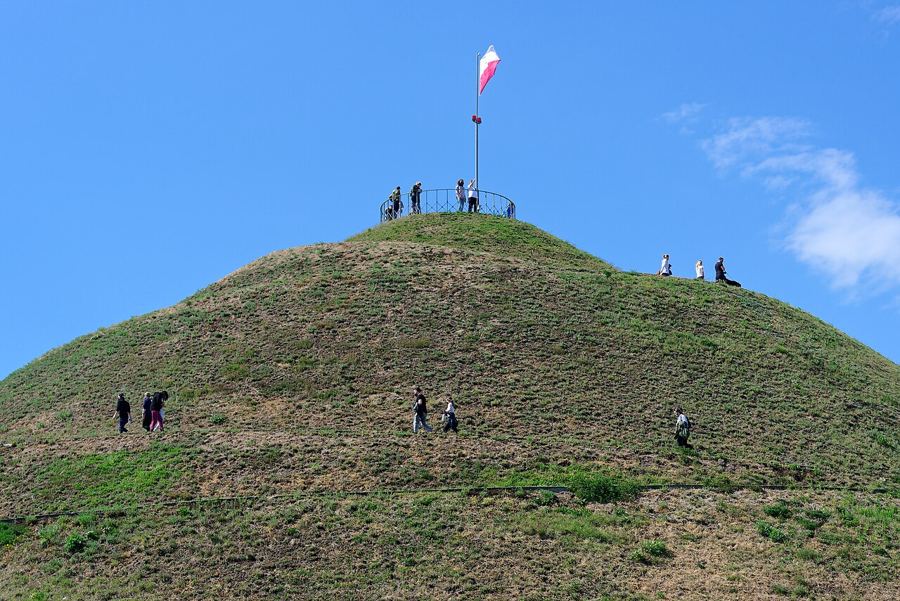 MoundsPiłsudski Mound: soil from the battlefields of independence
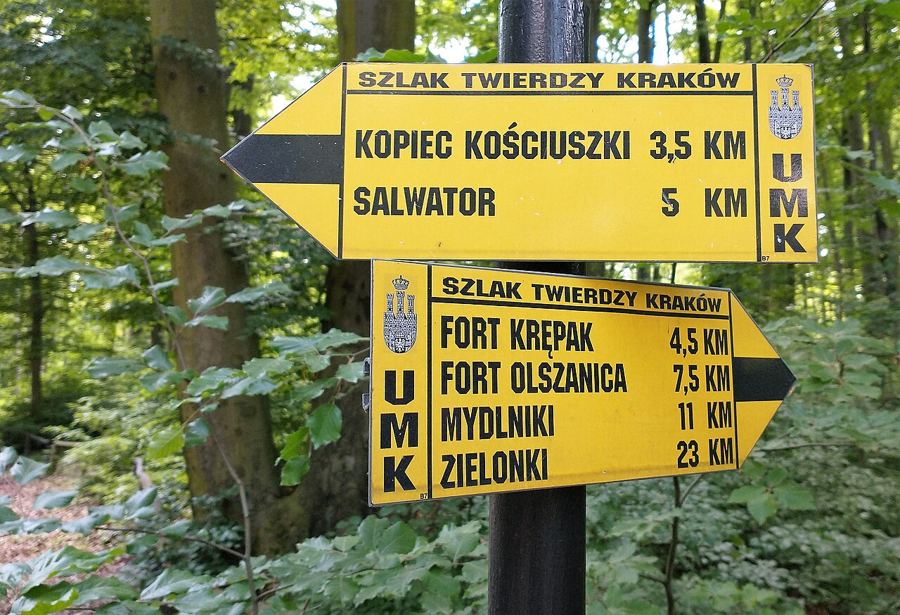 Forest and hermitageThe Wolski Forest at Kraków’s edge
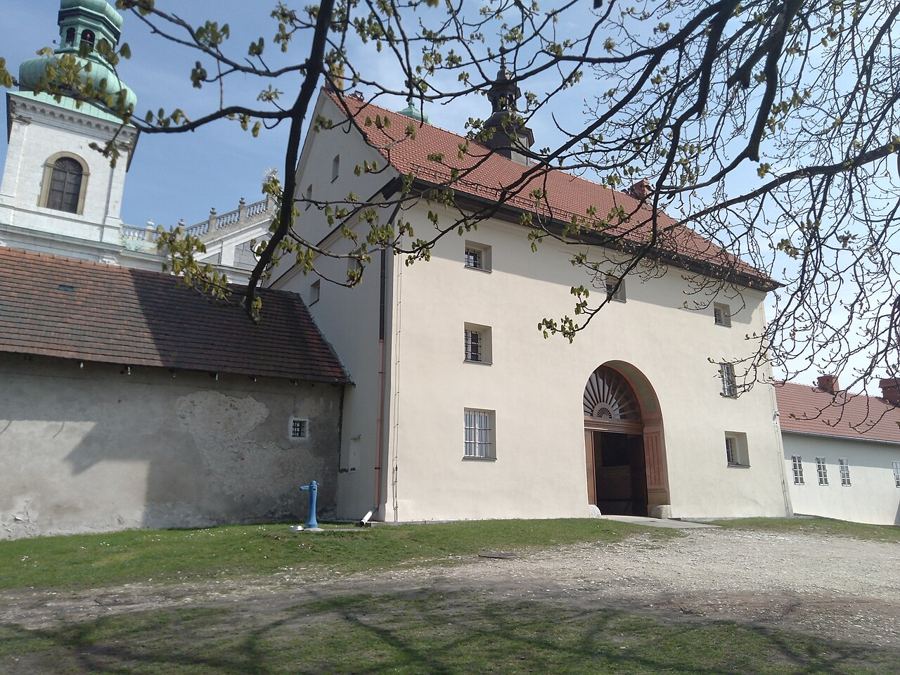 Forest and hermitageHow does Bielany hold its silence?
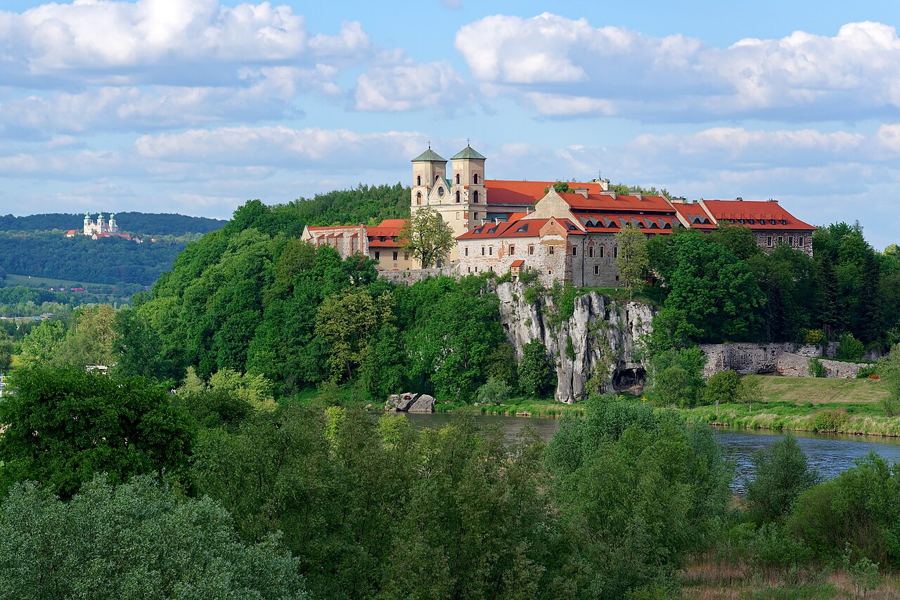 Along the VistulaTyniec Abbey, where the river leads out of Kraków
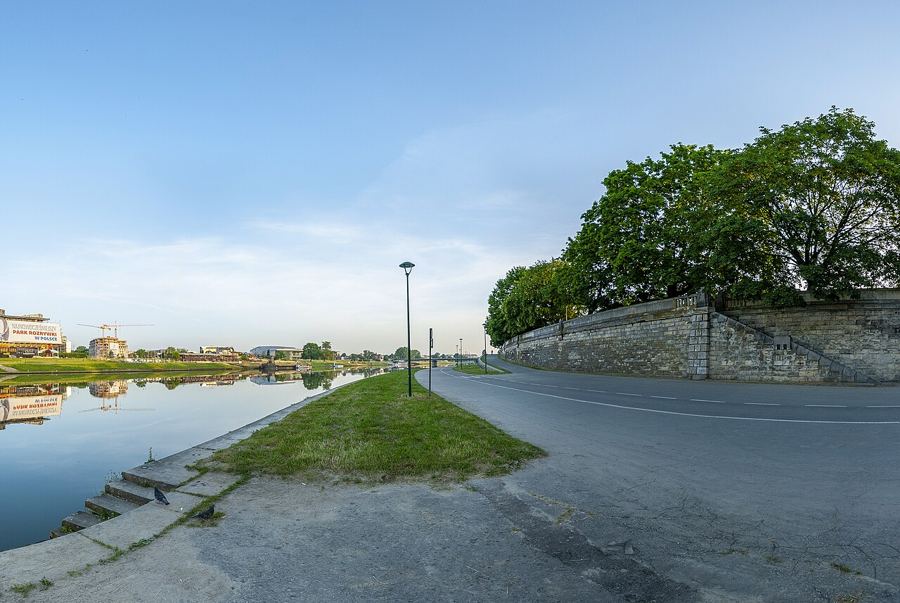 Along the VistulaWalking the Vistula boulevards
 Along the VistulaJapan on the bank opposite Wawel
Photographs used: Jakub Hałun — Creative Commons BY-SA 4.0; MOs810 — Creative Commons BY-SA 4.0; Kkuba678 — Creative Commons BY-SA 4.0; Jakub Hałun — Creative Commons BY-SA 4.0; Panoramer360 — Creative Commons BY-SA 4.0; Luke_33 — Creative Commons BY 2.5