- Period
- legend; 1890
- Distance
- 50 min by tram from the Rynek
Wanda Mound and the white eagle
At Kraków’s eastern edge, a princess’s legend stands beside the steelworks, beneath a stone monument designed by Jan Matejko and topped with a white eagle.
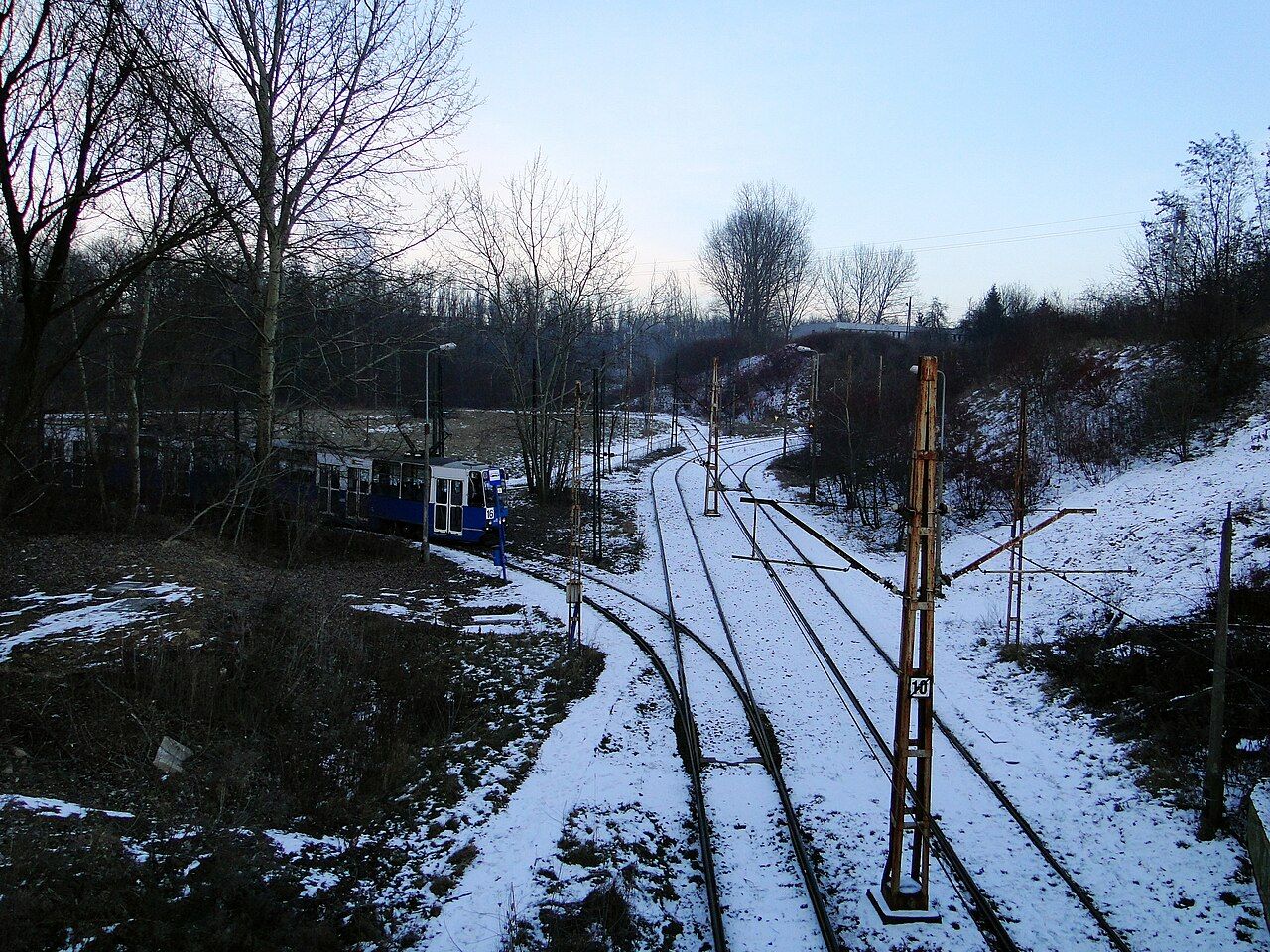
At the eastern edge of Kraków, Wanda Mound stands close to the fence of the steelworks. A white eagle tops the stone monument on its summit. The place holds two kinds of history side by side: a legend, and the uncertainty of a mound whose age is not known.
Who is Wanda?
Legend says the mound is the tomb of Wanda, daughter of Krak. In the story, she drowned herself in the Vistula rather than marry a German prince. I find the story difficult to separate from the shape of the place: a mound with a name, and a life remembered through a choice that ends in water.
I think of the mound of Krak in Podgórze beside it. Krak is Wanda’s father in the legend told here; this is the second legendary mound of Kraków.
What is on the mound?
A stone monument designed by Jan Matejko was placed on Wanda Mound in 1890. A white eagle sits at its top. The legend and the monument meet there without making the mound’s origins any less uncertain.
- Location: Mogiła, at Kraków’s eastern edge
- Height: about 14 metres
- Monument: designed by Jan Matejko and placed in 1890
- Beside it: the steelworks fence
How old is Wanda Mound?
Its age is uncertain. Wanda Mound has never been fully excavated, so the legend does not settle the question of when it was made. I like the small pause this leaves between what is told about the mound and what can be known of it. The name carries a story; the ground keeps some of its own history to itself.
What else has stood beside it?
The Austrians built a fort beside Wanda Mound in the 19th century. Now the mound stands close to the fence of the steelworks, a legend beside a working industrial boundary. I can hold both details in mind at once: the princess of the story, and the monument crowned by its eagle.
Why does the legend stay with the mound?
Perhaps because the story gives the mound a human name, while the eagle gives it a marker above the earth. I cannot use either to date it. I can only keep the known details together: Wanda, daughter of Krak; the Vistula; the monument from 1890; and an age still uncertain.
More from Nowa Huta and beyond
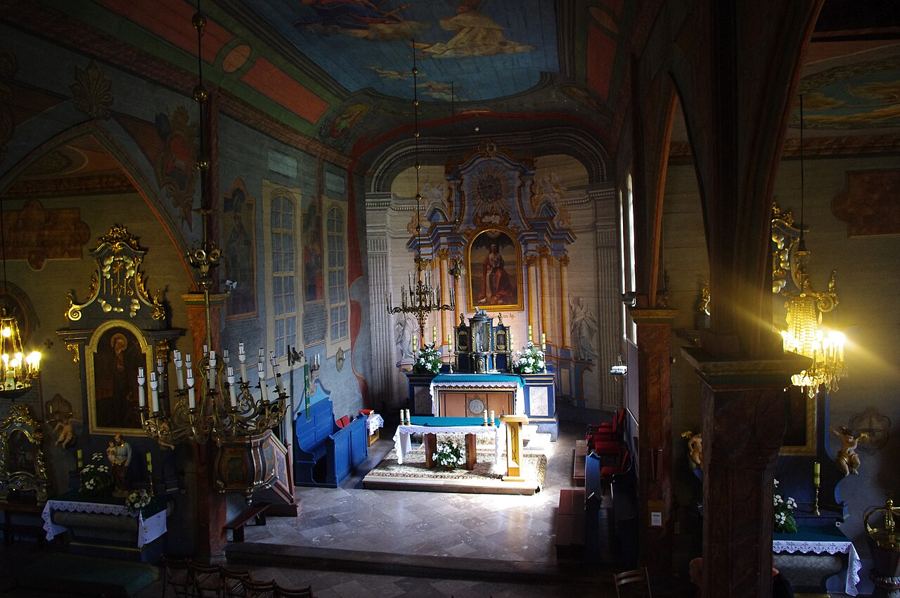 Old MogiłaThe Cistercians of Mogiła
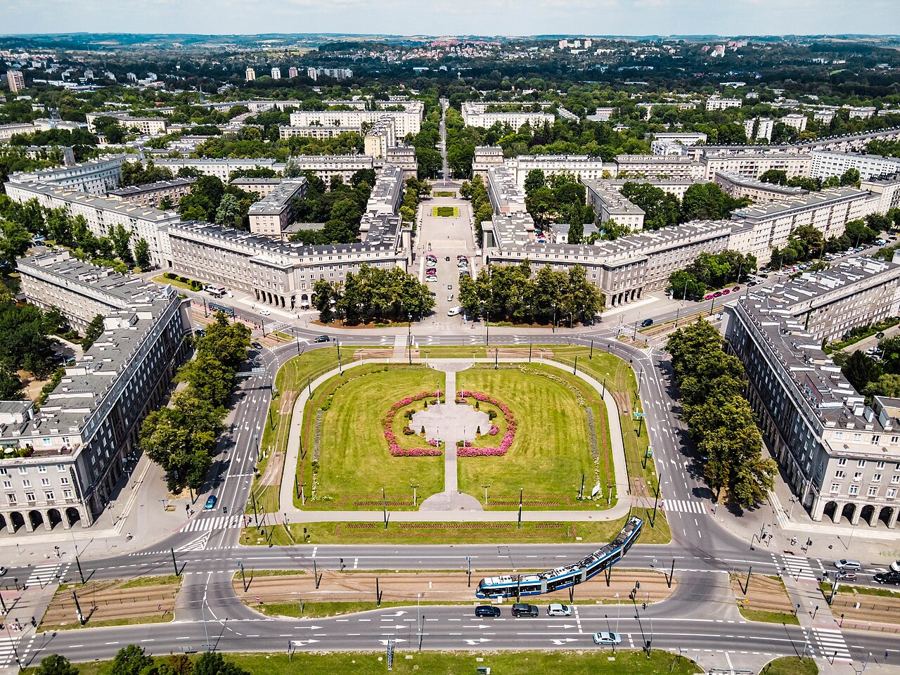 The planned townPlac Centralny and the idea of an ideal town
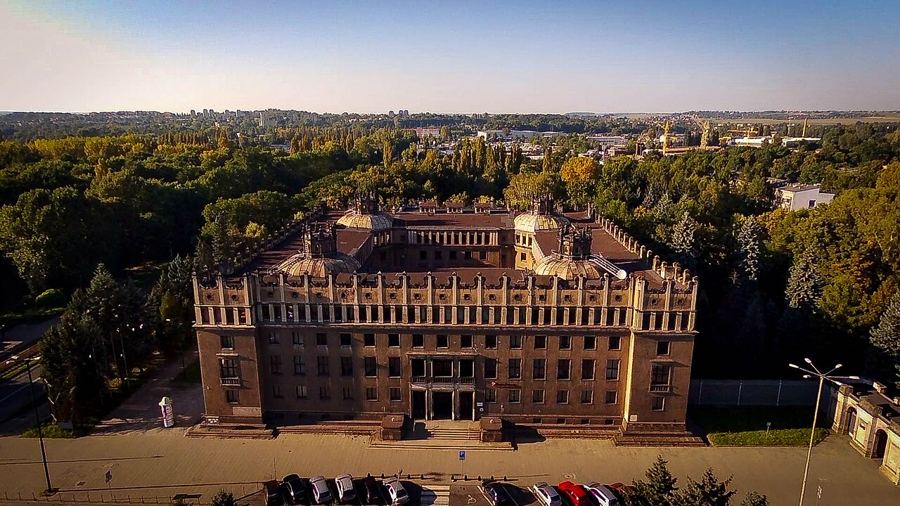 The planned townWhat makes the steelworks’ gate look like a palace?
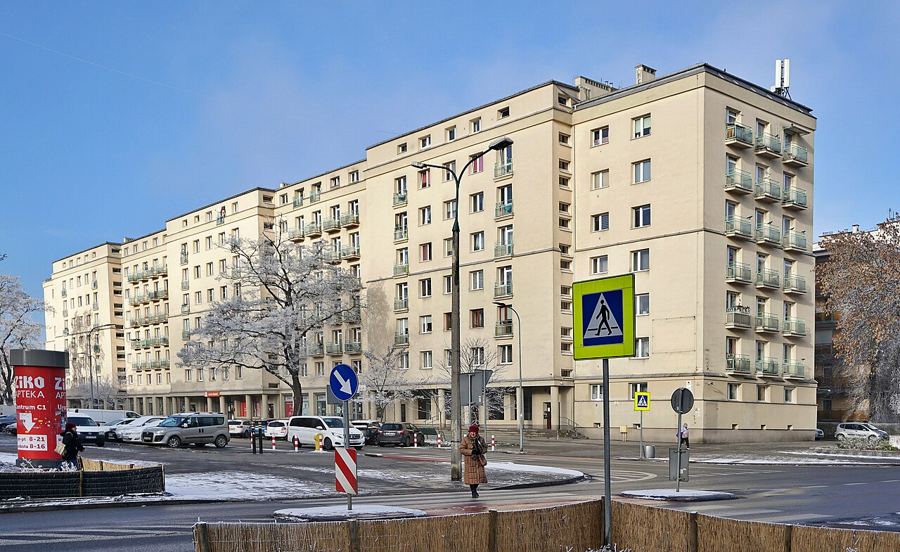 The planned townWhat do the courtyards of Nowa Huta still hold?
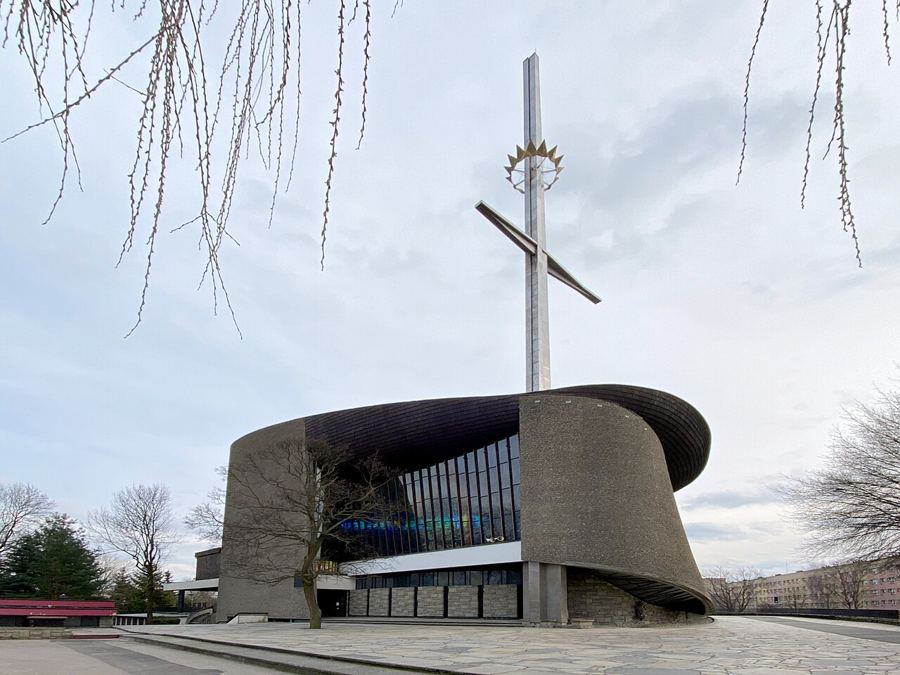 A church built by handArka Pana: the church Nowa Huta built by hand
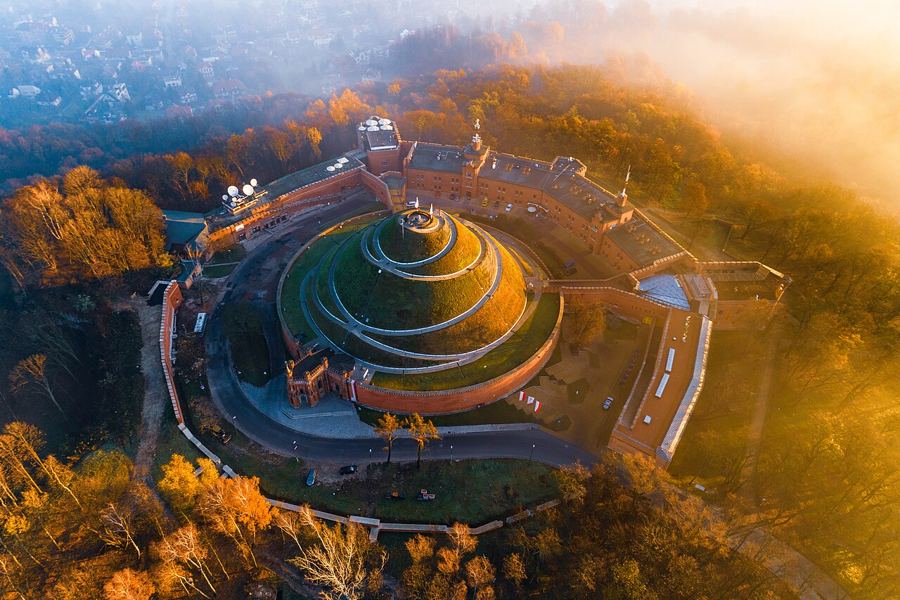 MoundsA mound built for Kościuszko
Photographs used: Jacek555 (Jacek Plewa) — Creative Commons BY 3.0; Piotr Tomaszewski-Guillon / dronographyapplied.com — Creative Commons BY-SA 4.0; TomRollauer — Creative Commons BY-SA 4.0; Igor123121 — Creative Commons BY-SA 4.0; Minderbinder — Creative Commons BY-SA 4.0; Pawelsuder — Creative Commons BY-SA 4.0