Old Town
The Old Town grew from the street grid laid out under the town charter of 1257. The Rynek Główny sits at its centre, while the Planty follows the line of the medieval walls. Together with Wawel, the Old Town formed the core of the World Heritage site inscribed in 1978.
The Main Square · Churches and the bugle · Gates, Planty and colleges · Bread and pierogi
The Main Square
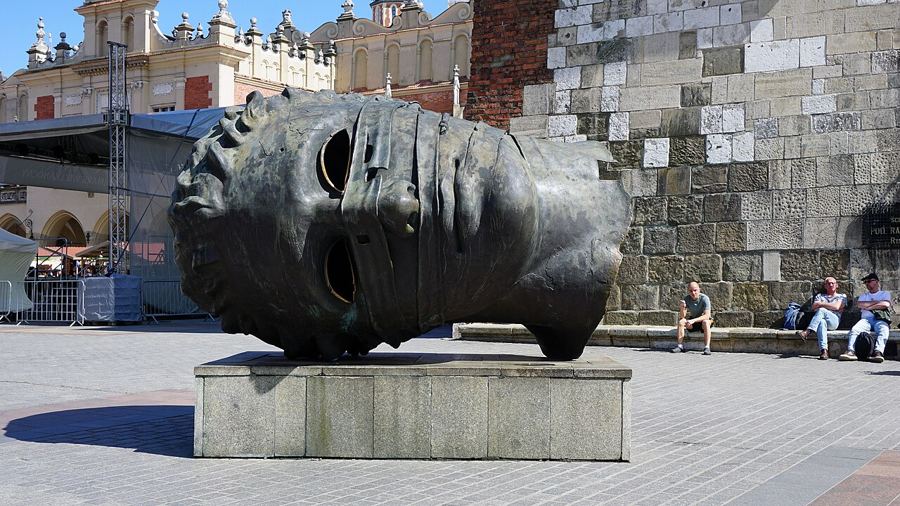 How was Rynek Główny measured out in 1257?A step-by-step reading of the square as a medieval plan: its charter, its streets, and the layers of history still marked within its open space.13th century onward · on the Rynek itself
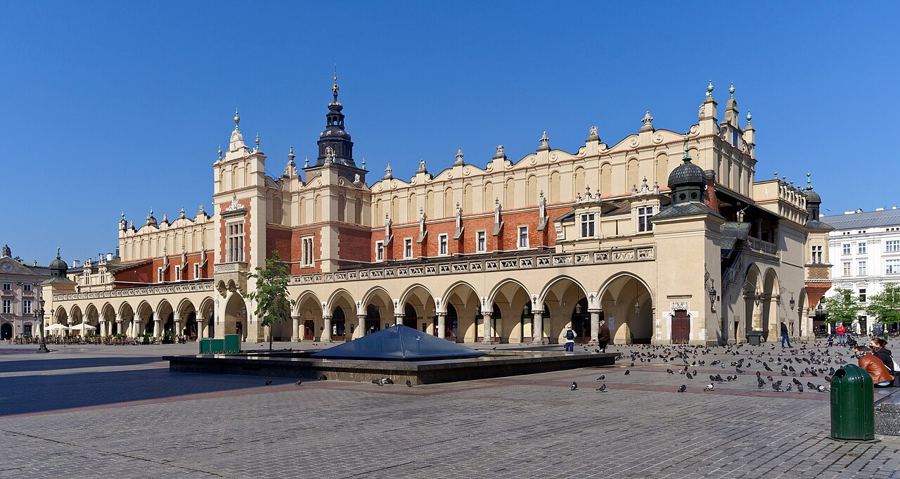 The Sukiennice: two lives under one roofA hall that began with cloth stalls was rebuilt, given arcades and made home to art galleries above its market rows.16th-19th century · on the Rynek itself
- Beneath the square: the Rynek UndergroundUnder the eastern half of the Rynek Główny, the lost market lies beneath the present paving: stalls, coins, graves and layers of old street.11th-15th century · on the Rynek itself
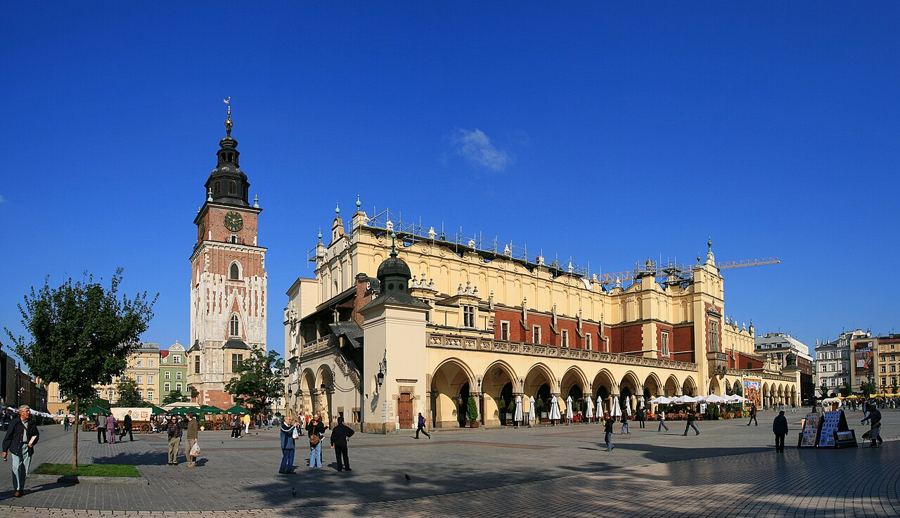 The tower that lost its town hallOn Kraków’s Rynek, the Town Hall Tower remains after the town hall’s demolition: a leaning Gothic survivor, with old prison cellars and museum rooms above.13th-14th century · on the Rynek itself
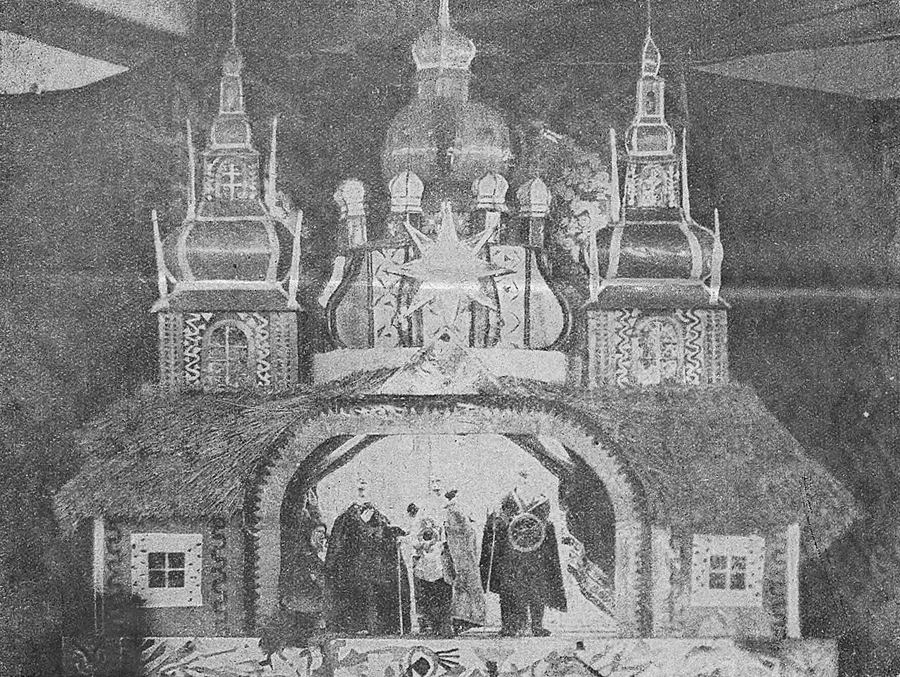 Tinfoil cathedrals: how Kraków makes a szopkaA city of cardboard, wood and coloured tinfoil rises around the Holy Family, from winter craft and house-to-house puppet plays to a December contest.19th century to today · on the Rynek itself
Churches and the bugle
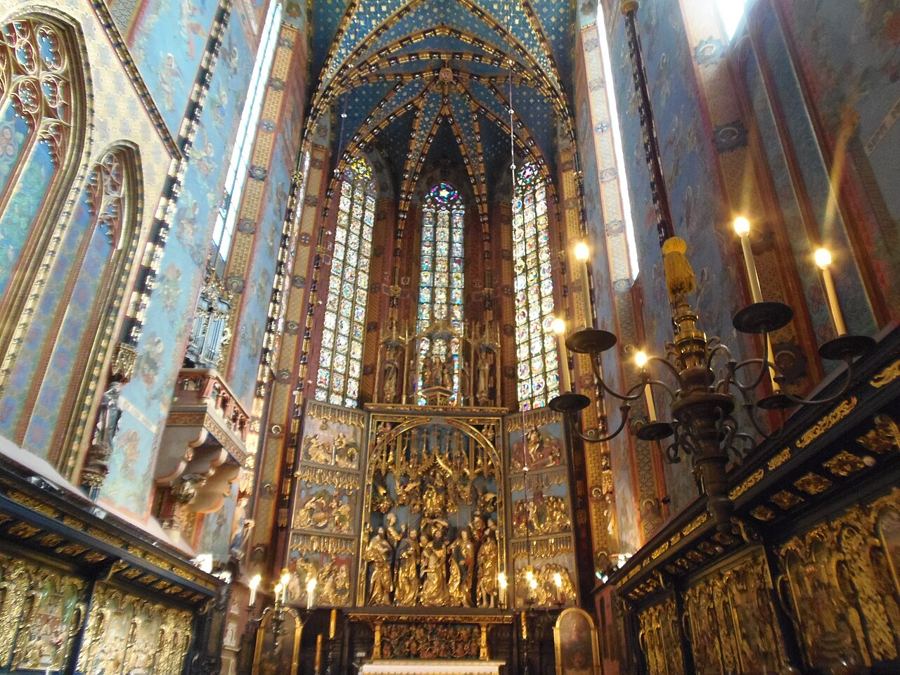 What happened to Veit Stoss’s altar at St Mary’s Basilica?The unequal towers and painted interior frame a story of an altar taken from Kraków, found in Nuremberg and returned in 1946.14th-15th century · on the Rynek itself
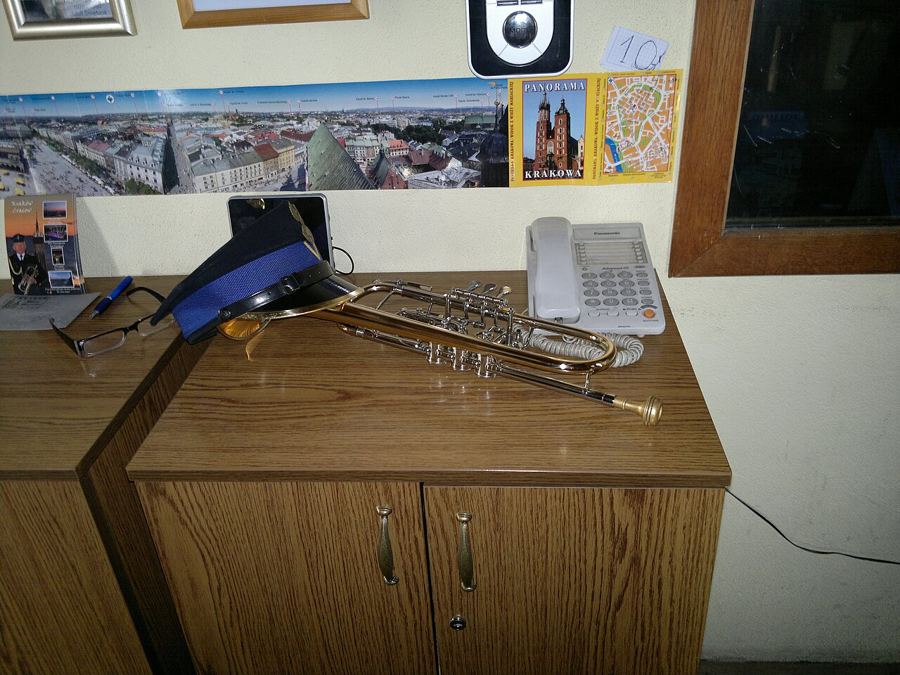 The trumpet call that stops mid-noteThe hejnał sounds from St Mary's taller tower every hour. Its broken phrase carries a legend, while the city record offers a quieter account.14th century to today · on the Rynek itself
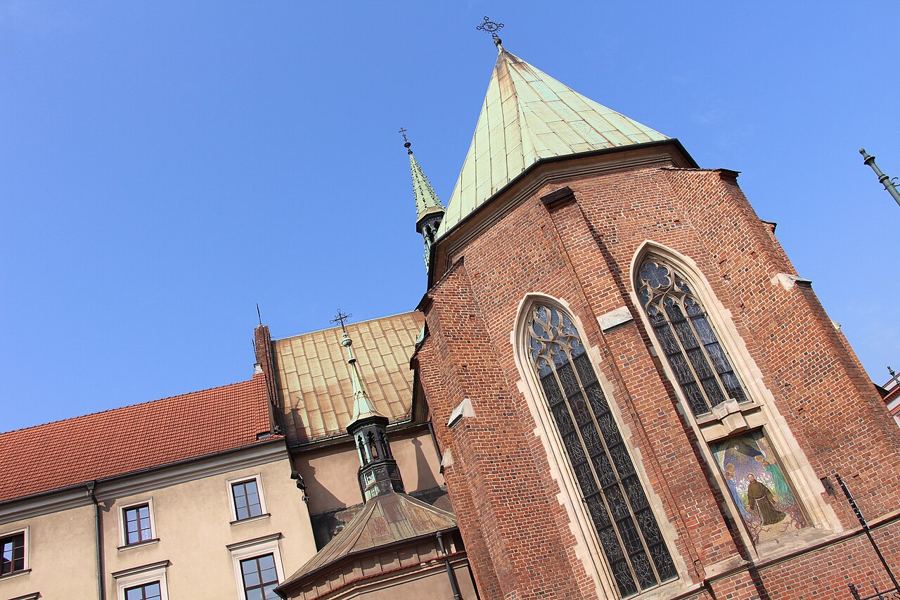 Wyspiański’s glass at the Franciscan BasilicaA medieval church, badly damaged by fire, took on a new artistic skin around 1900: Wyspiański’s windows and plant-filled wall paintings sit beside work by Mehoffer.13th century; around 1900 · 5 min from the Rynek
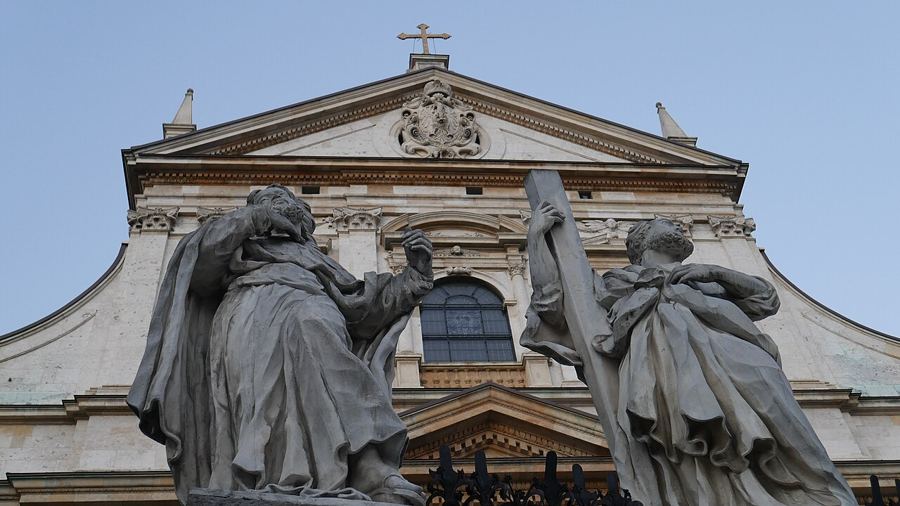 Twelve apostles on Grodzka StreetA fence of apostles, a crypt of notable Poles and a Foucault pendulum shape my account of Kraków’s first Baroque building.17th century · 5 min from the Rynek
Gates, Planty and colleges
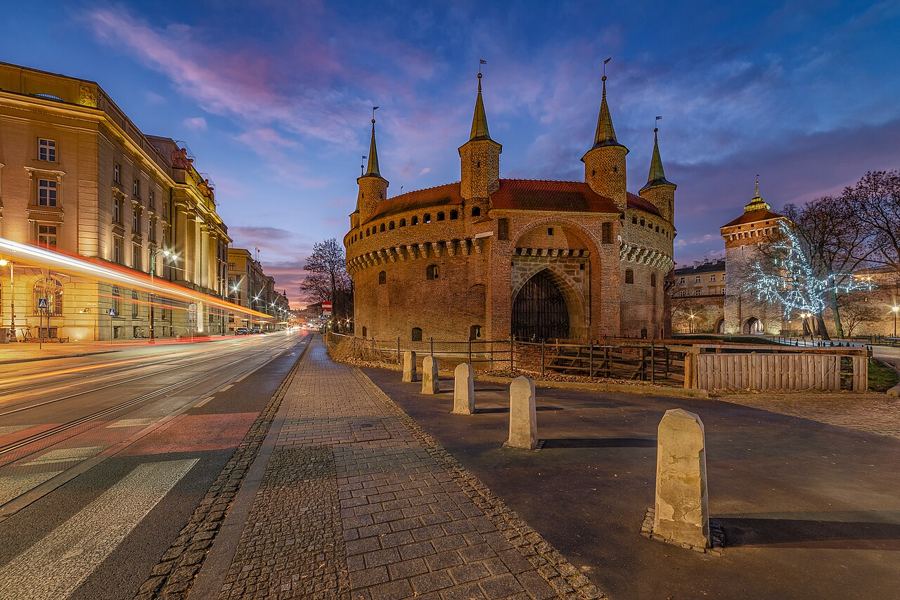 From the Barbican down Floriańska StreetA measured entrance into the city: from the Barbican and Florian Gate along Floriańska Street, tracing the opening stretch of the Royal Route.15th century · 10 min from the Rynek
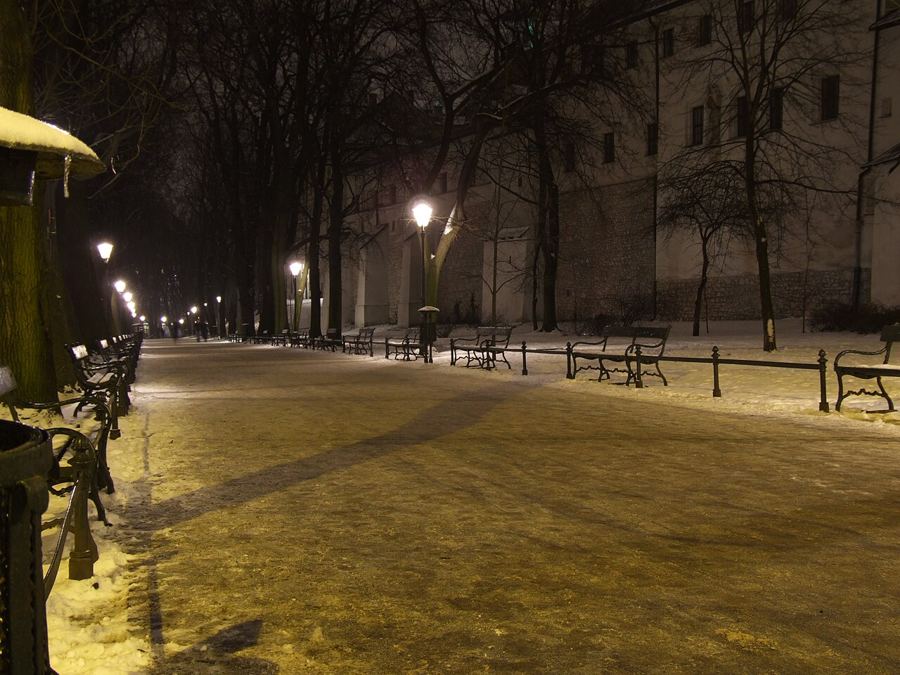 The Planty: where the old defence became a promenadeA ring of gardens follows the line of the demolished walls, turning an old boundary into a quiet route around the Old Town.19th century · 5 min from the Rynek
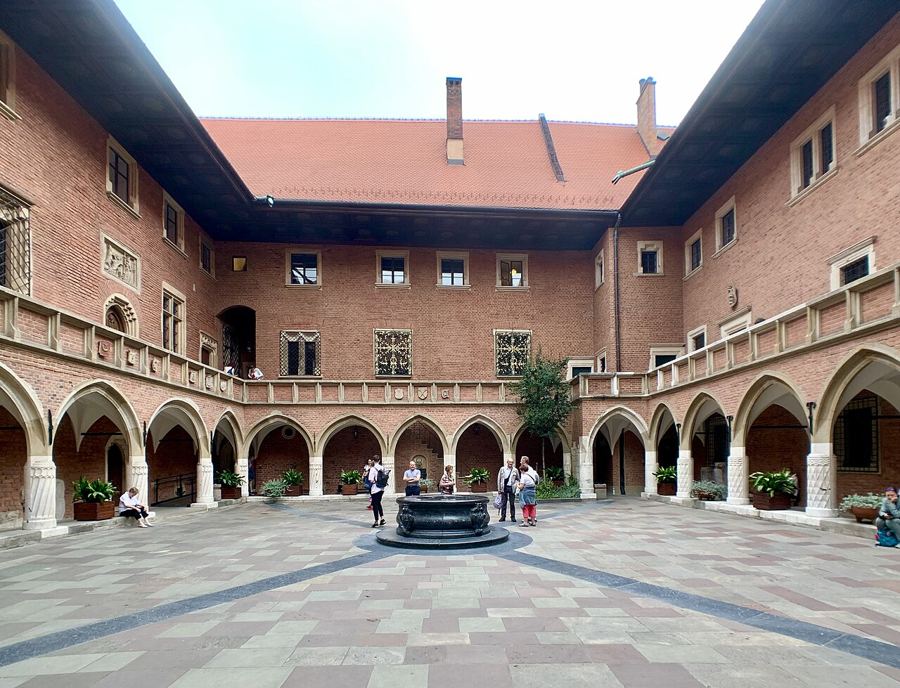 Collegium Maius: a medieval college you can walk throughA college formed from town houses, with a Gothic courtyard, a clock that sets carved figures moving, and a museum holding a globe and astronomical instruments.14th-16th century · 5 min from the Rynek
Bread and pierogi
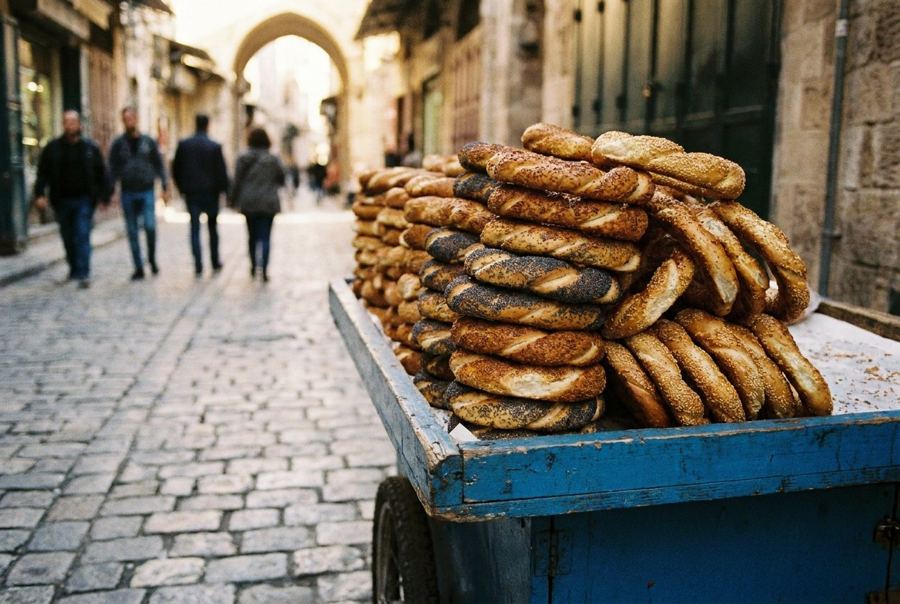 Obwarzanek krakowski: a ring with a legal definitionA Kraków street bread is twisted from strands of dough, briefly boiled, then baked. Its name carries a history—and a protected geographical definition.14th century to today · on the Rynek itself
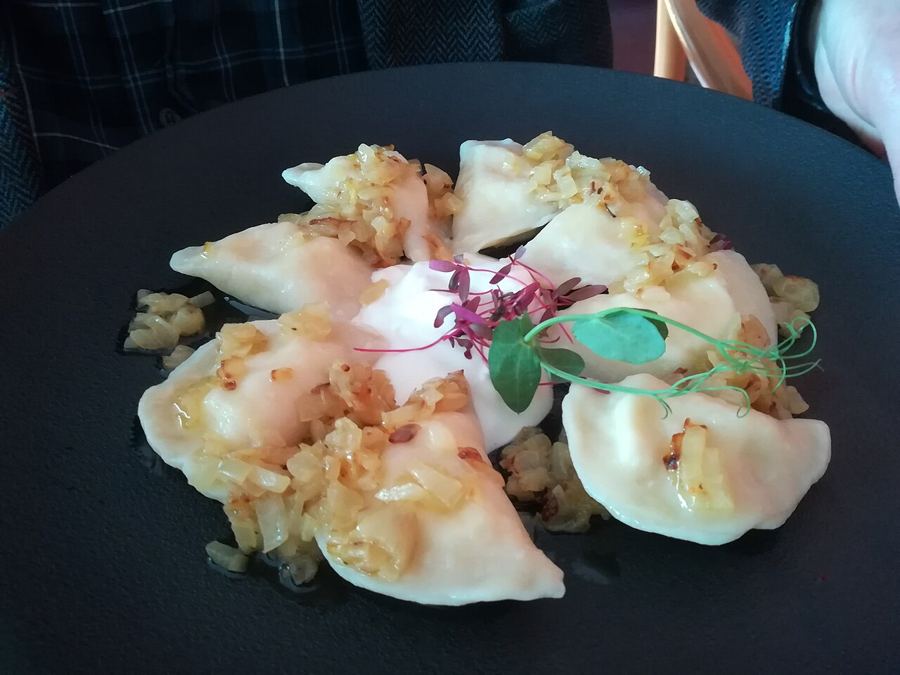 Pierogi and the saint who brought themHalf-moon dumplings carry familiar fillings, a place at the Christmas Eve table, and a Kraków legend in the name of St Hyacinth.13th-century legend to today · 2 min from the Rynek
Photographs used: Igor123121 — Creative Commons BY-SA 4.0; Jakub Hałun — Creative Commons BY-SA 4.0; Lestat (Jan Mehlich) — Creative Commons BY-SA 3.0; unknown — public domain the file; Mielon — Creative Commons BY-SA 3.0; Mark Healey from Brough, UK — Creative Commons BY-SA 2.0; Fred Romero from Paris, France — Creative Commons BY 2.0; Piotrek Przyborowski — Creative Commons BY-SA 4.0; Gswito — Creative Commons BY-SA 4.0; Pudelek (Marcin Szala) — Creative Commons BY-SA 3.0; Chris Olszewski — Creative Commons BY-SA 4.0; MOs810 — Creative Commons BY-SA 4.0
