IV
Podgórze
Podgórze lies on the Vistula’s right bank, opposite Kazimierz. Under Austrian rule it was a separate town from 1784 until 1915. The wartime ghetto and Płaszów camp were here; above the district rise Krakus Mound and old limestone quarries.
Town, ghetto and camp · Mound and quarry · Museums on the right bank
Town, ghetto and camp
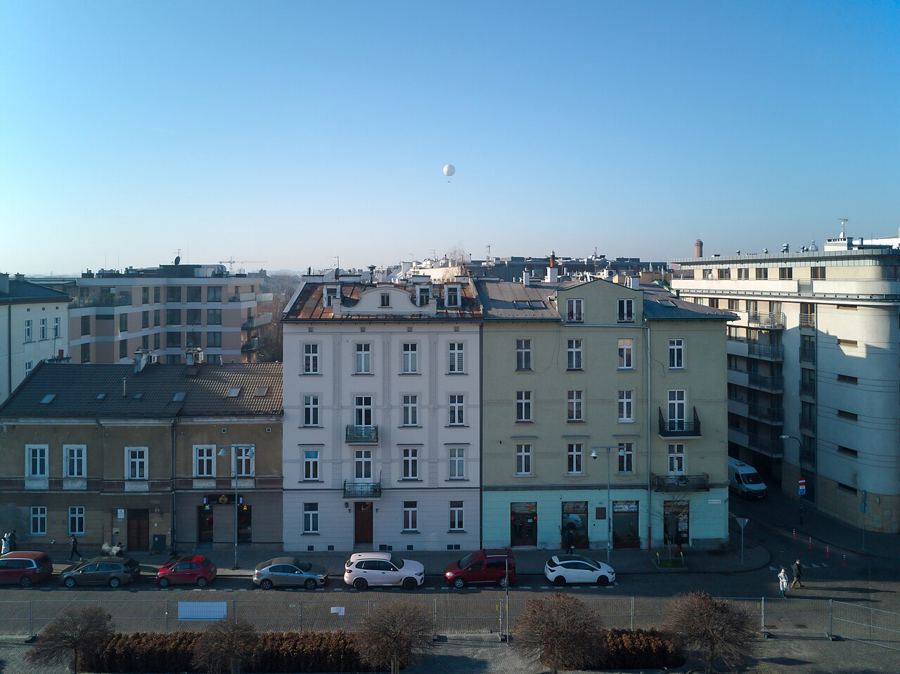 Podgórze, the town across the VistulaFounded as a free royal town under Austrian rule, Podgórze grew opposite Kazimierz before joining Kraków. Its old market square still marks that separate beginning.18th-19th century · 30 min from the Rynek
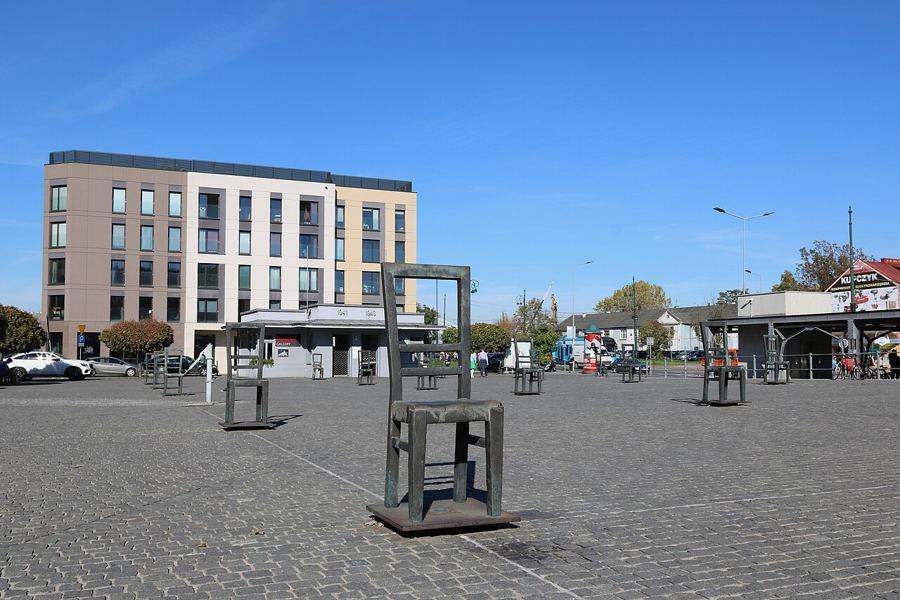 What do the empty chairs remember?At the heart of the wartime ghetto in Podgórze, bronze chairs and a pharmacy hold two different forms of memory in a public square.1941-1943 · 30 min from the Rynek
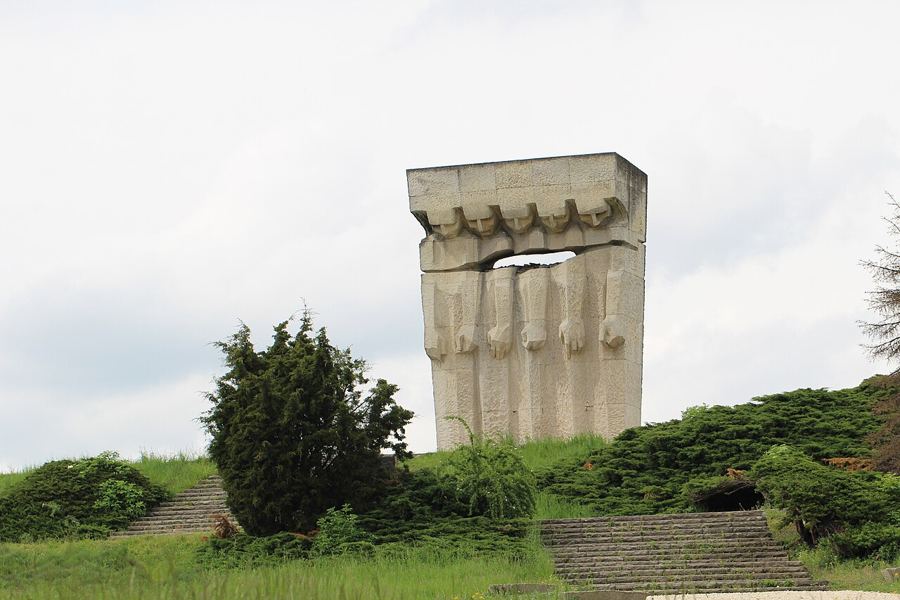 What does the monument hold at Płaszów?A walk across grassland and scrub, past the 1964 monument and smaller memorials, follows the history held in the open ground of the former camp.1942-1945 · 40 min from the Rynek
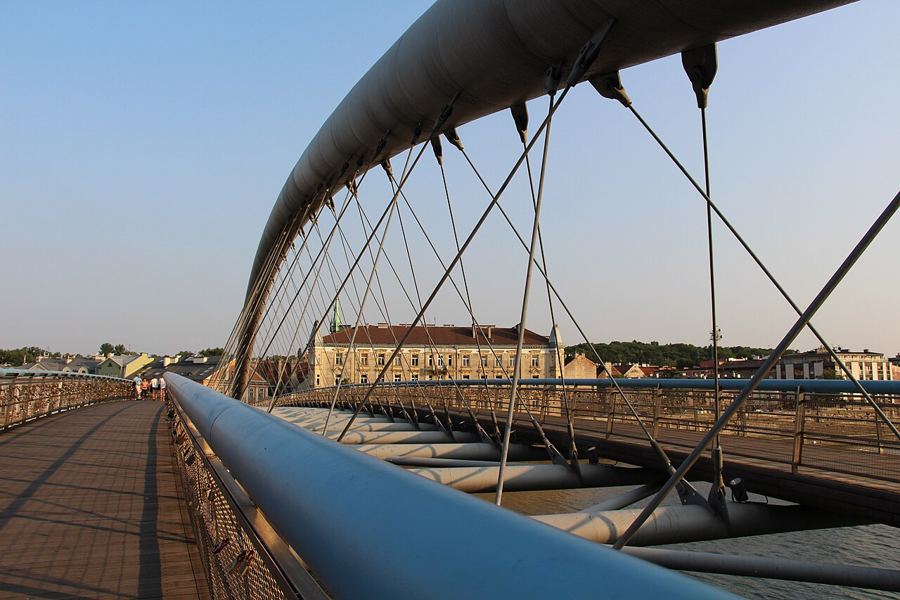 Father Bernatek’s footbridge, joining Kazimierz and PodgórzeOpened in 2010, this footbridge carries pedestrians and cyclists across the Vistula, with balancing acrobats suspended above its deck.since 2010 · 25 min from the Rynek
Mound and quarry
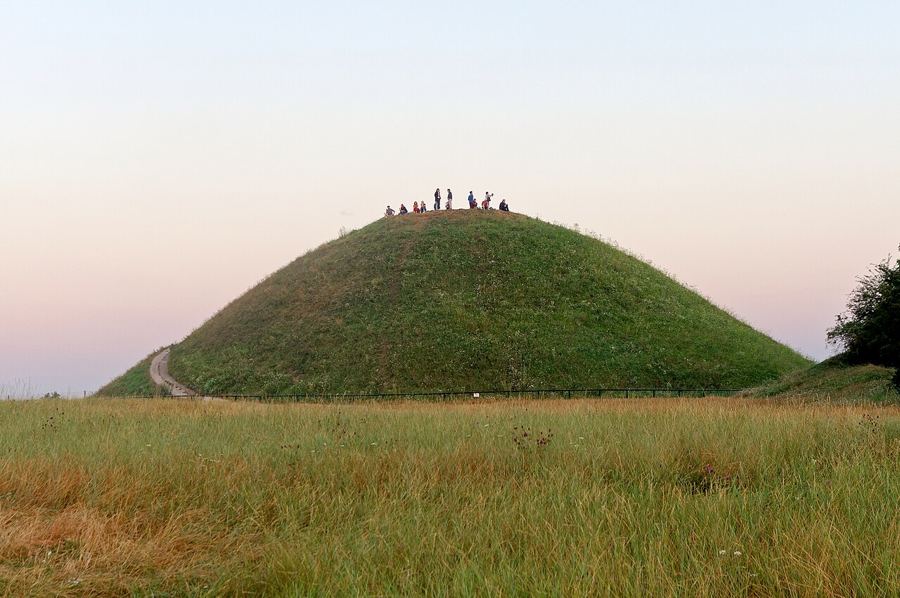 The hill that keeps its oldest questionA hill in Podgórze carries a founder’s legend, an excavation with no burial, and the Rękawka fair gathered at its foot on the Tuesday after Easter.8th century or earlier · 35 min from the Rynek
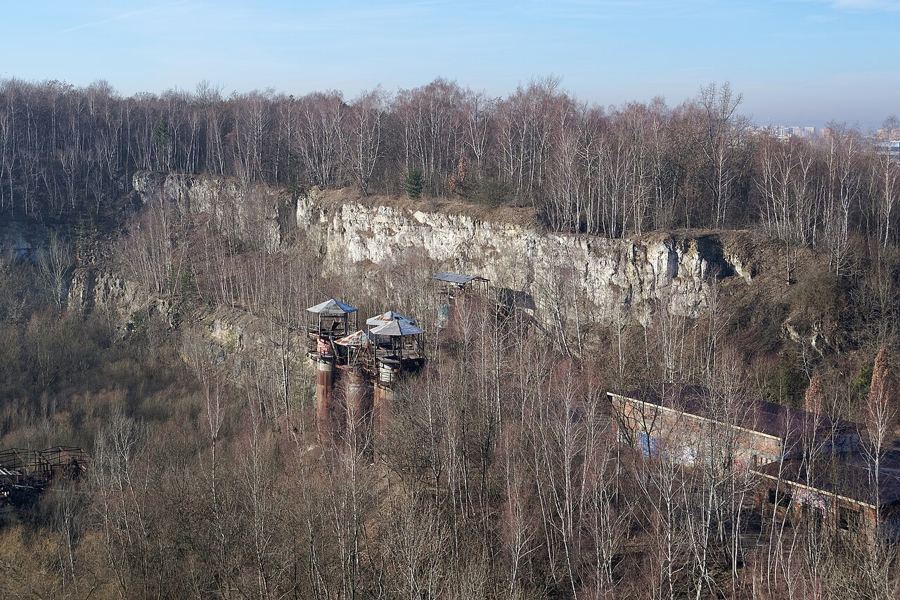 The Liban quarry: a hole in the hill with many pastsBelow Krakus Mound, steep walls and an overgrown floor hold the quarry’s industrial, wartime and cinematic layers close together.19th-20th century · 35 min from the Rynek
Museums on the right bank
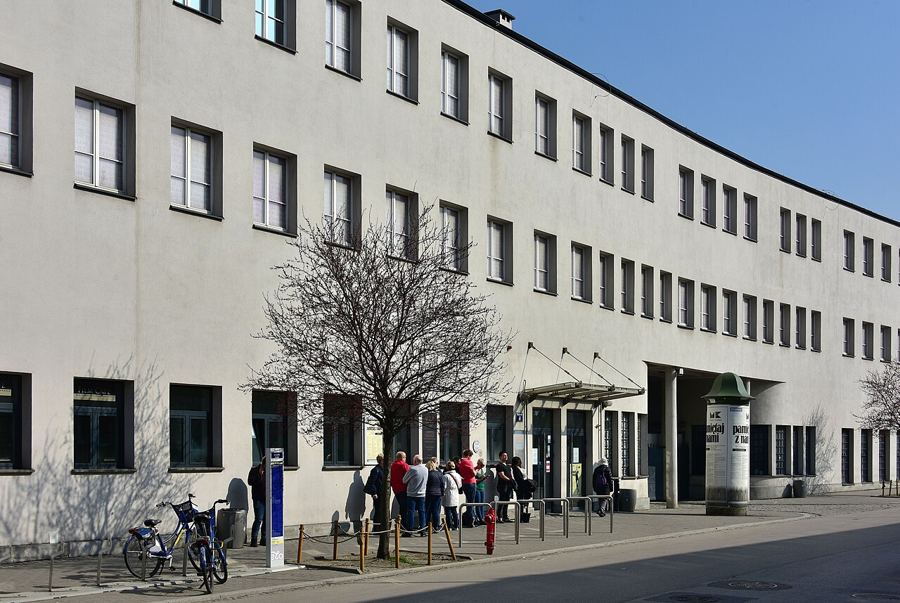 A city under occupation, inside Schindler’s factoryAt Lipowa Street, the former enamel factory tells the story of Kraków under occupation: a city-wide exhibition beside the rooms and objects tied to Oskar Schindler.1939-1945 · 35 min from the Rynek
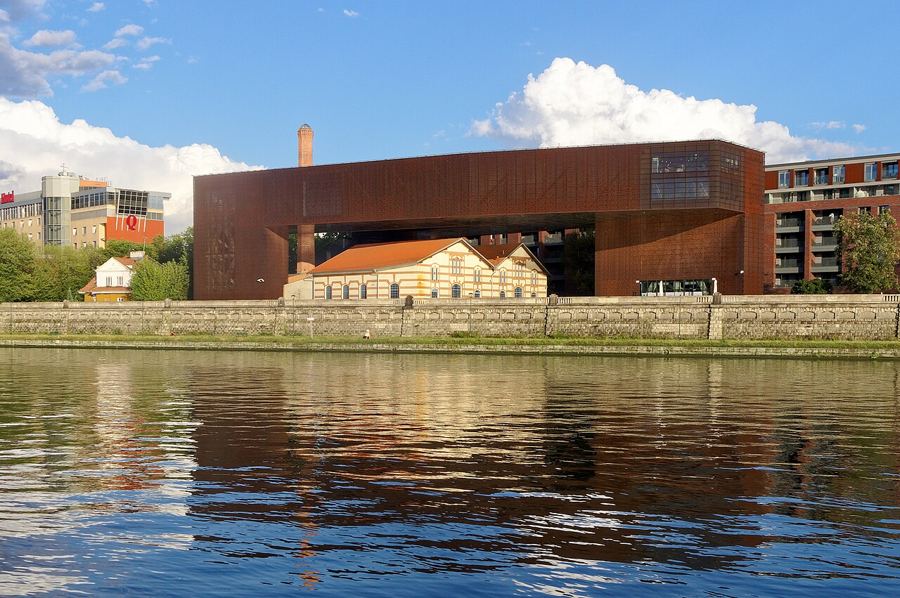 A stage set made of old and newAt this Podgórze centre, an old power station and a raised block make architecture part of the story of Tadeusz Kantor’s theatre art.20th century · 25 min from the Rynek
Photographs used: Igor123121 — Creative Commons BY 4.0; Ingo Mehling — Creative Commons BY-SA 4.0; serwacy01 — Creative Commons BY-SA 4.0; Fred Romero from Paris, France — Creative Commons BY 2.0; Jakub Hałun — Creative Commons BY-SA 4.0; Jakub Hałun — Creative Commons BY-SA 4.0; Adrian Grycuk — Creative Commons BY-SA 3.0; Jakub Hałun — Creative Commons BY-SA 4.0