- Period
- 8th century or earlier
- Distance
- 35 min from the Rynek
The hill that keeps its oldest question
A hill in Podgórze carries a founder’s legend, an excavation with no burial, and the Rękawka fair gathered at its foot on the Tuesday after Easter.
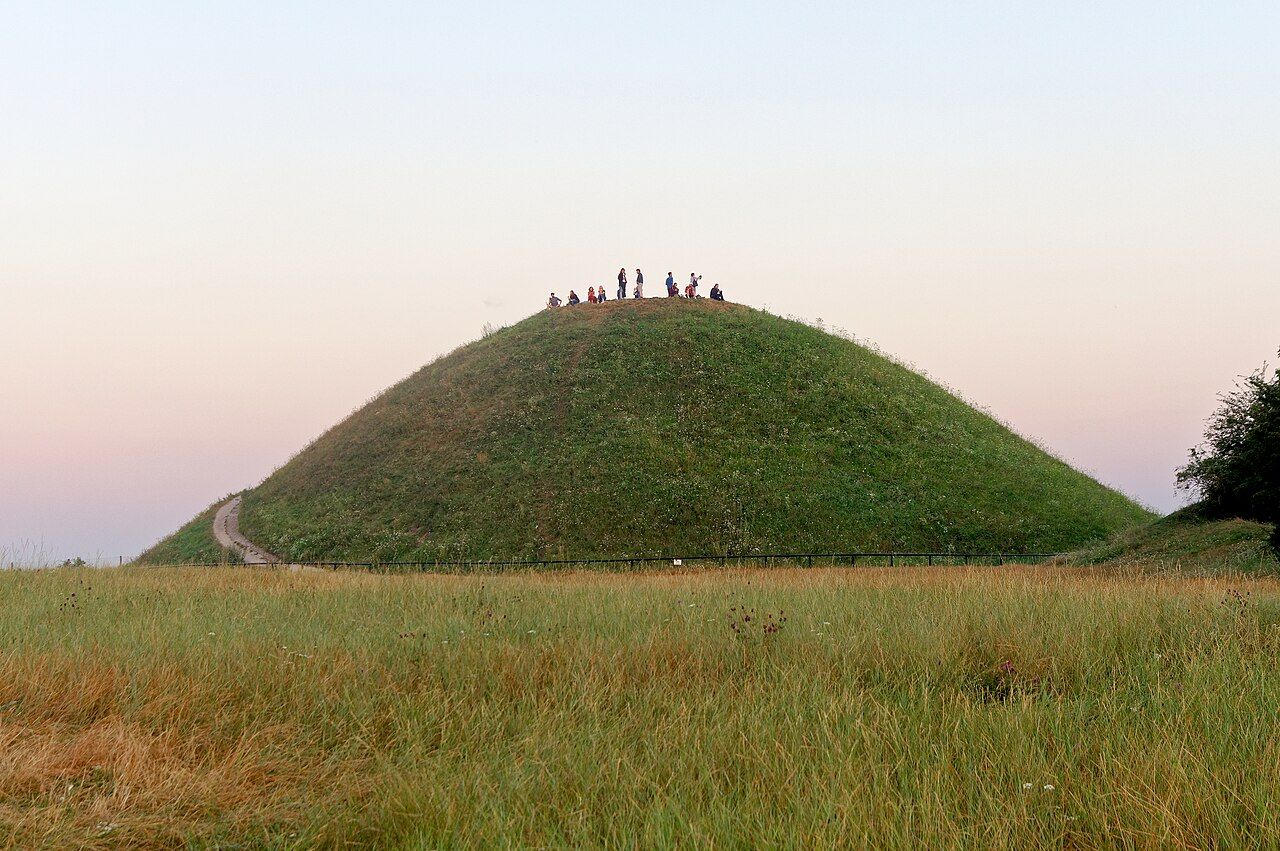
At the top, the Old Town and Wawel spread out in a wide view. I begin there, looking across the city from a hill that keeps an old question close: what was it built for?
Krakus Mound stands on Lasota Hill in Podgórze, about 271 metres above sea level. Its shape gives the eye a place to rest, but the story beneath it is less settled.
How can I read the hill?
Start with the ground beneath the view. The mound rises about 16 metres, and its position above the Old Town makes it easy to think of it as a lookout. That is only what the view offers; it does not tell me why people raised the hill.
Keep the legend beside the landscape. Krakus Mound is said to be the tomb of Krak, the mythical founder of Kraków. It is a strong story to carry up the hill, though excavation found no burial here.
Set the legend beside what the excavations did find. Archaeologists worked here between 1934 and 1937; finds date the mound’s building to around the 8th century or earlier. I keep these facts together, without asking either to settle the question. For a few useful bearings:
- From Rynek: 35 min
- Height: about 16 metres
- Setting: Lasota Hill, Podgórze; about 271 metres above sea level
- Fair: Tuesday after Easter
Then follow the story down to the foot of the hill. The Rękawka fair is held near the mound on the Tuesday after Easter, around the small Church of St Benedict. The Austrians built a fort beside the church in the 19th century, adding another layer to this small area of Podgórze.
Leave room for the unanswered part. The finds offer a date, and the legend offers a name, but neither explains the mound’s purpose. I like to keep that gap in view rather than smooth it over with a neat ending. I leave the mound of the princess for another page, and stay with this hill’s question.
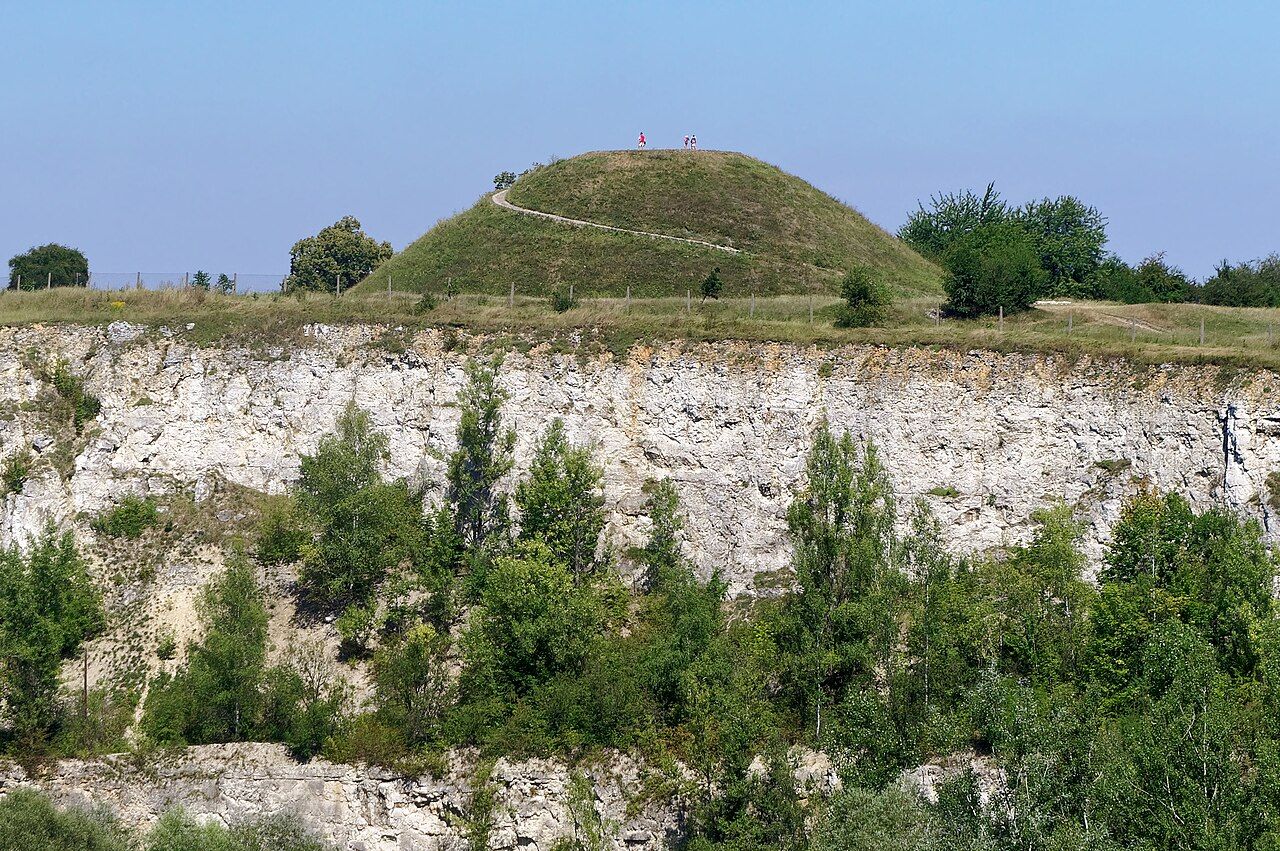
the quarry below the hill is another phrase I carry away from this part of Podgórze, though the mound holds my attention here.
What stays with me after the fair?
This hill gets under my skin by refusing to become one thing only. There is the view over the Old Town and Wawel, broad enough to make the city feel near; there is the legend of Krak, which gives the mound a name and a possible purpose; then there are the excavations, which found no burial and placed its building around the 8th century or earlier. I find myself moving among these accounts rather than choosing one. The Rękawka fair makes that layered feeling more tangible: it gathers near the mound, around the small Church of St Benedict, on a day already marked by the old Easter calendar. The church and the fort beside it belong to the hill’s surroundings, while the mound’s beginning remains beyond a sure explanation. I do not need to imagine an answer to feel the pull of that uncertainty. It is a place where a city’s legend and its evidence sit close, without quite meeting. I leave with the sense that the hill is not empty of history; it is simply unwilling to tell all of it plainly.
This hill’s unanswered story is what I like best about it.
More from Podgórze and beyond
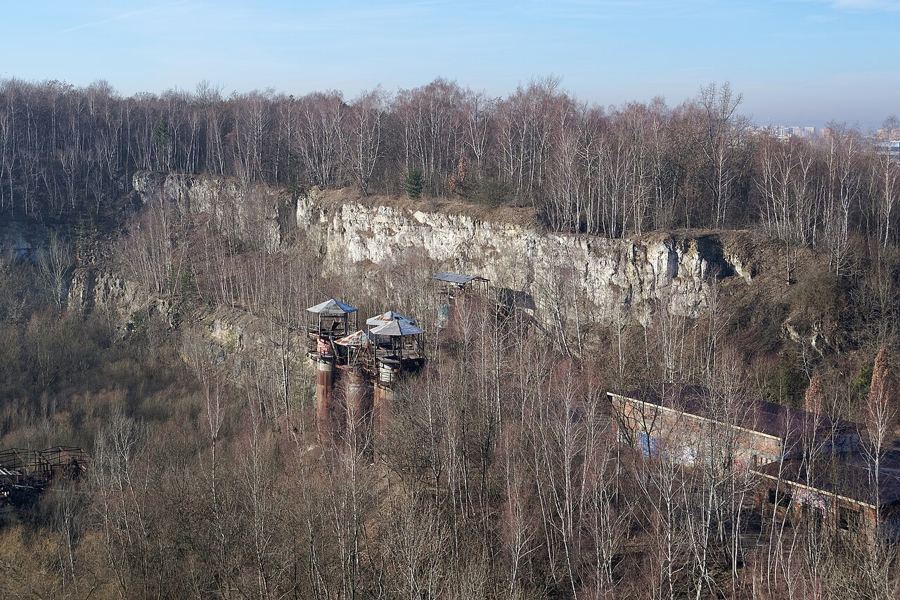 Mound and quarryThe Liban quarry: a hole in the hill with many pasts
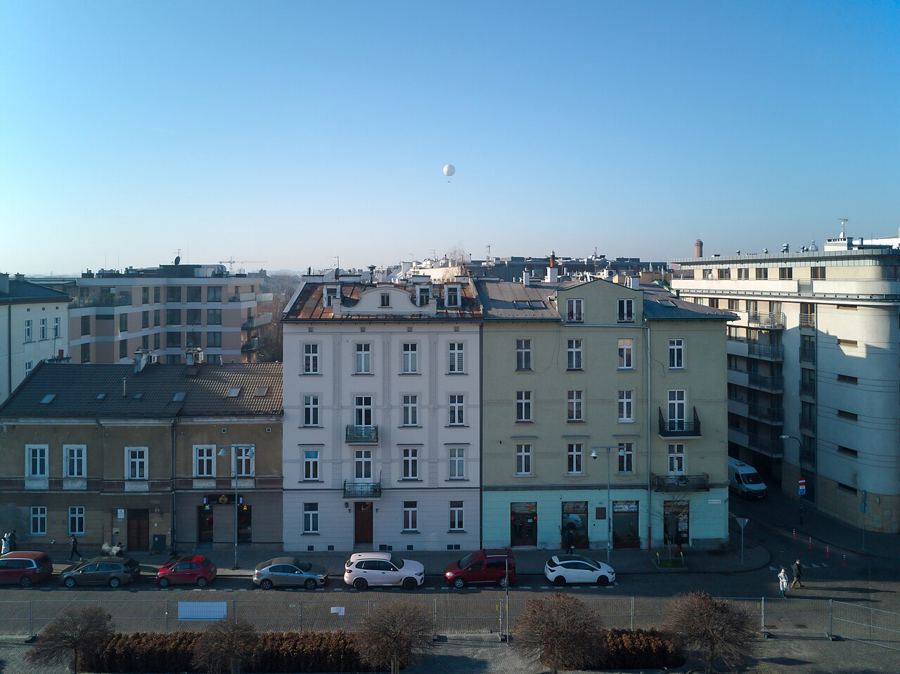 Town, ghetto and campPodgórze, the town across the Vistula
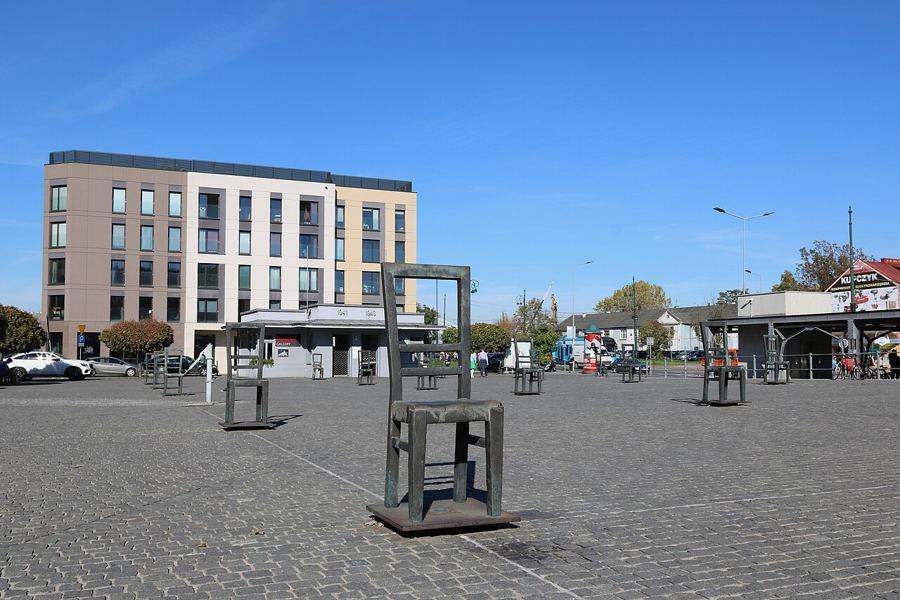 Town, ghetto and campWhat do the empty chairs remember?
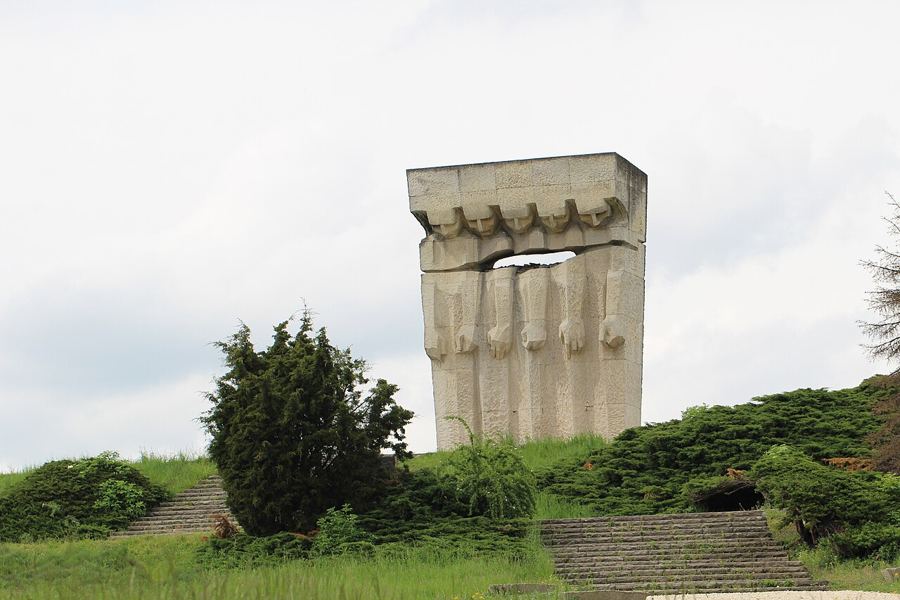 Town, ghetto and campWhat does the monument hold at Płaszów?
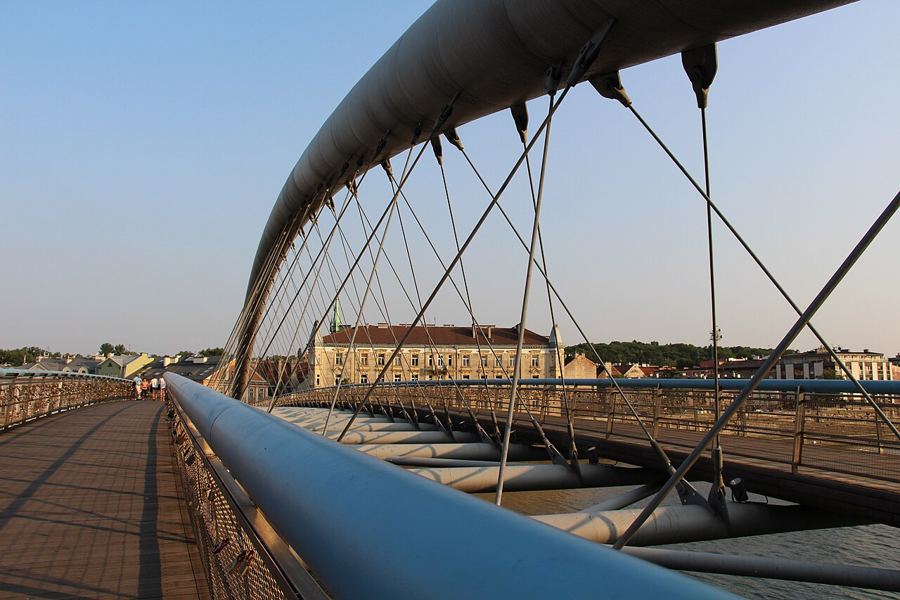 Town, ghetto and campFather Bernatek’s footbridge, joining Kazimierz and Podgórze
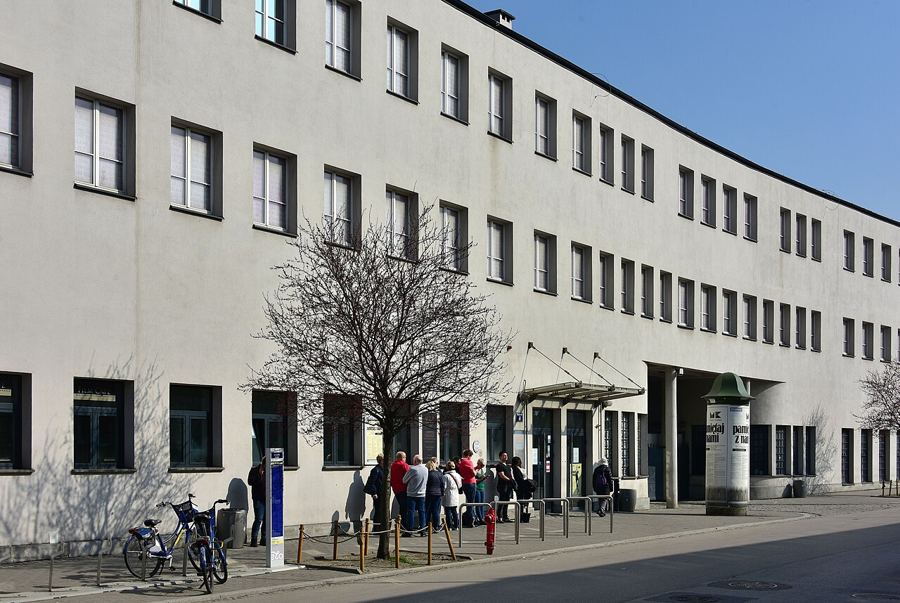 Museums on the right bankA city under occupation, inside Schindler’s factory
Photographs used: Jakub Hałun — Creative Commons BY-SA 4.0; Igor123121 — Creative Commons BY 4.0; Ingo Mehling — Creative Commons BY-SA 4.0; serwacy01 — Creative Commons BY-SA 4.0; Fred Romero from Paris, France — Creative Commons BY 2.0; Adrian Grycuk — Creative Commons BY-SA 3.0