- Period
- 19th-20th century
- Distance
- 35 min from the Rynek
The Liban quarry: a hole in the hill with many pasts
Below Krakus Mound, steep walls and an overgrown floor hold the quarry’s industrial, wartime and cinematic layers close together.
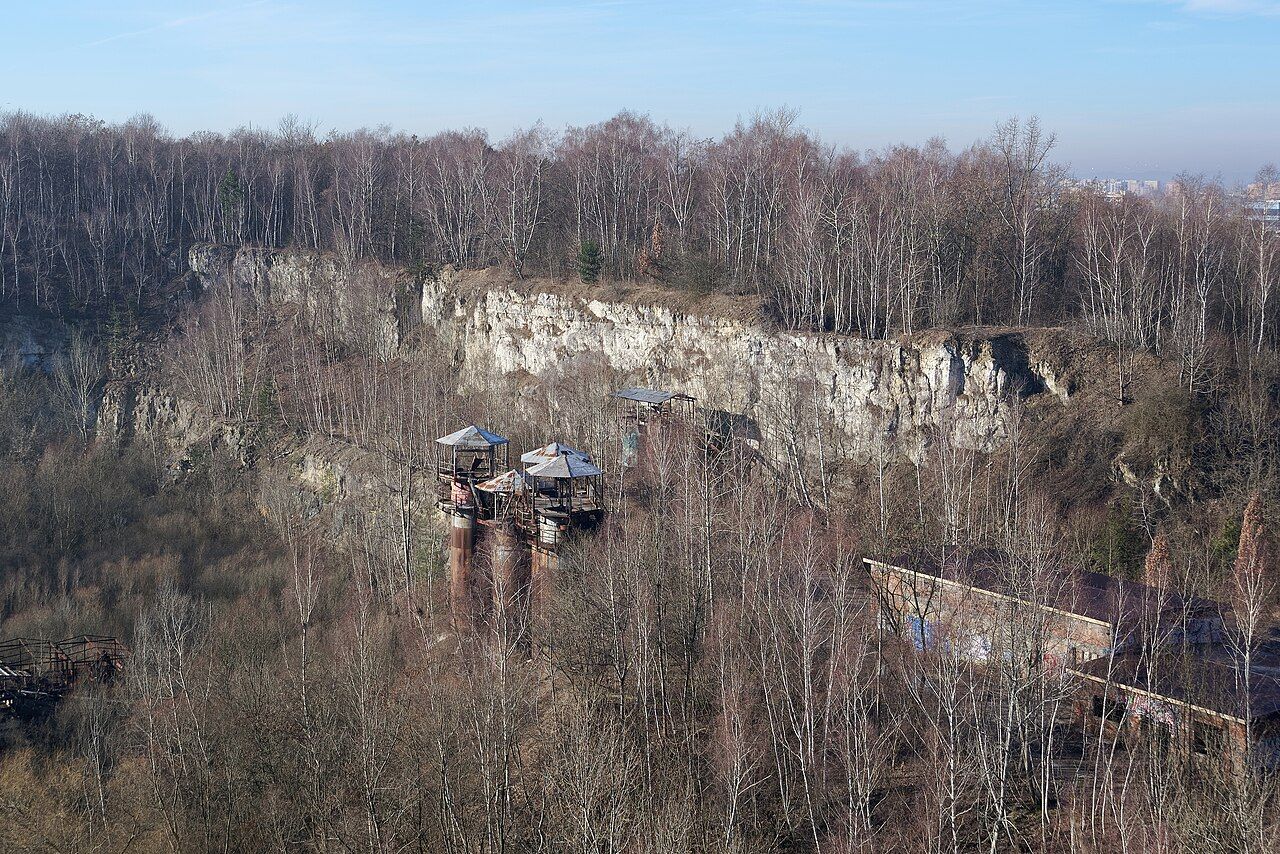
From the paths around Krakus Mound, I see the steep limestone walls of the Liban quarry below. The floor is partly covered by trees and scrub now, but the quarry remains a clear cut in the hill. Looking down, it is difficult to take in just one layer of its history.
Is this only a place where stone was taken?
Myth: the quarry’s story is simply about limestone. Fact: it is a disused limestone quarry named after Bernard Liban, one of its 19th-century owners. Stone extraction ended in the 1980s. That history is visible in the steep walls, though it does not account for everything the place holds.
What is useful to know at a glance?
- From Rynek: 35 min
- Era: 19th-20th century
Did the quarry’s past stop with extraction?
Myth: once the stone work ended, the quarry had no further history. Fact: during the German occupation, it was used as a forced-labour site. I hold that fact beside the later traces here, rather than letting one story cover another. The account of the quarry’s wartime use also brings to mind the memorial on the camp ground the memorial on the camp ground.
Are the remains here all from the quarry’s working life?
Myth: every trace in the quarry belongs to stone extraction. Fact: Steven Spielberg used the quarry to build the Płaszów camp set for Schindler's List in 1993. Remains of that film set were left behind, among them a path laid with imitation gravestones. The path is another layer in a place already marked by work and wartime history.
Much of the quarry floor has since been overgrown by trees and scrub. From the paths around Krakus Mound, the limestone walls still show where the hill opens into the quarry. I find the contrast stays with me: a place shaped by extraction, then used as a film location, with traces of both left in the same hollow.
More from Podgórze and beyond
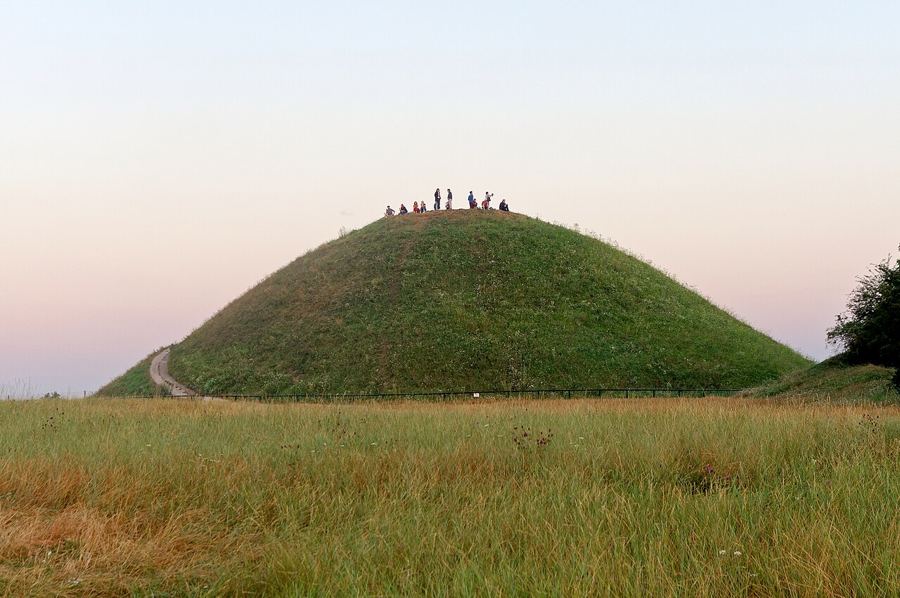 Mound and quarryThe hill that keeps its oldest question
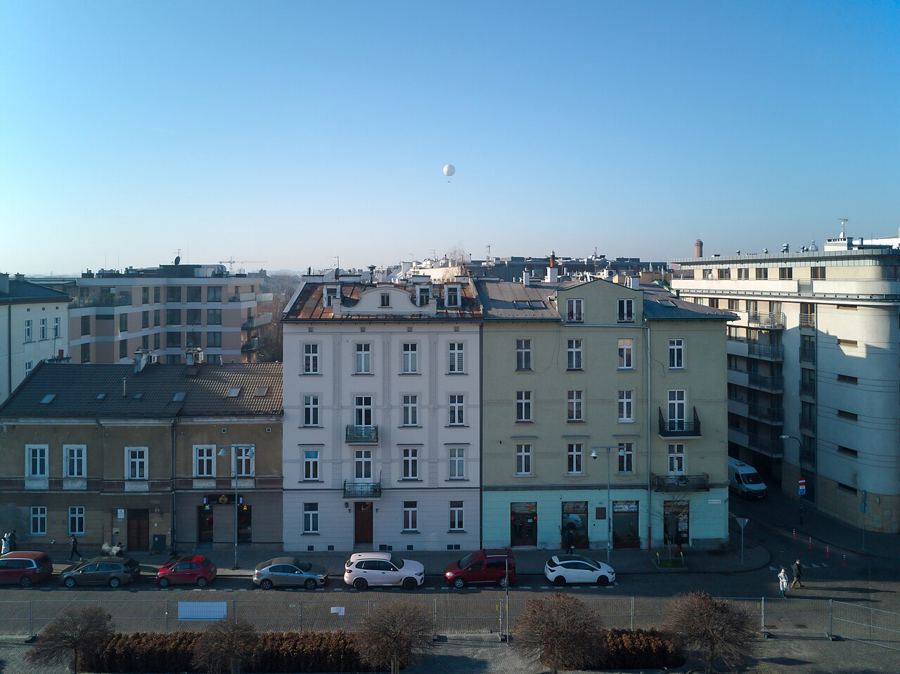 Town, ghetto and campPodgórze, the town across the Vistula
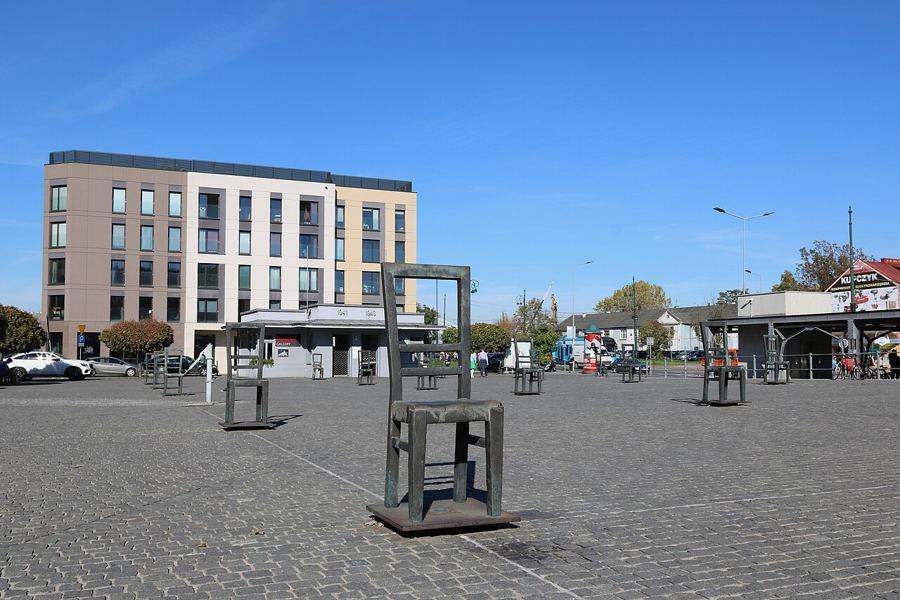 Town, ghetto and campWhat do the empty chairs remember?
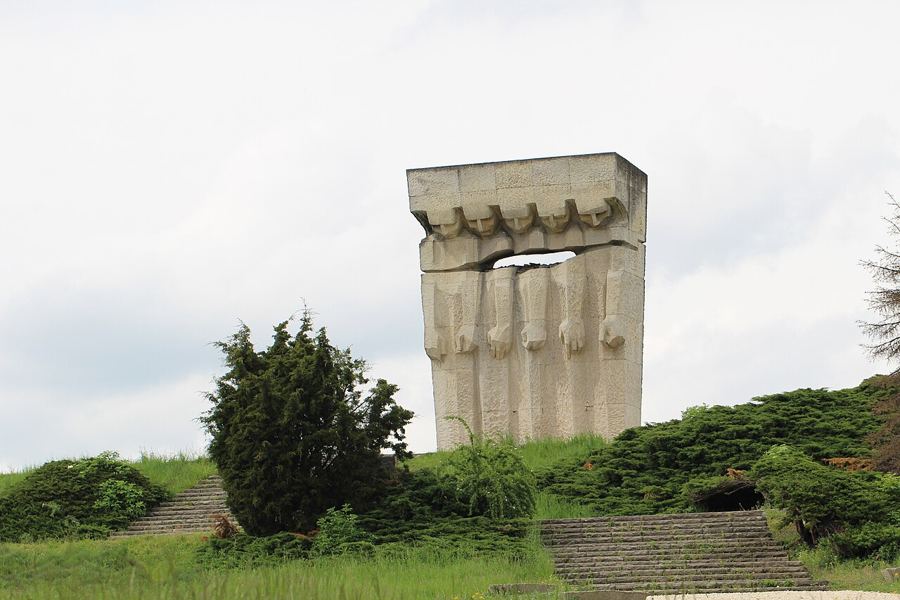 Town, ghetto and campWhat does the monument hold at Płaszów?
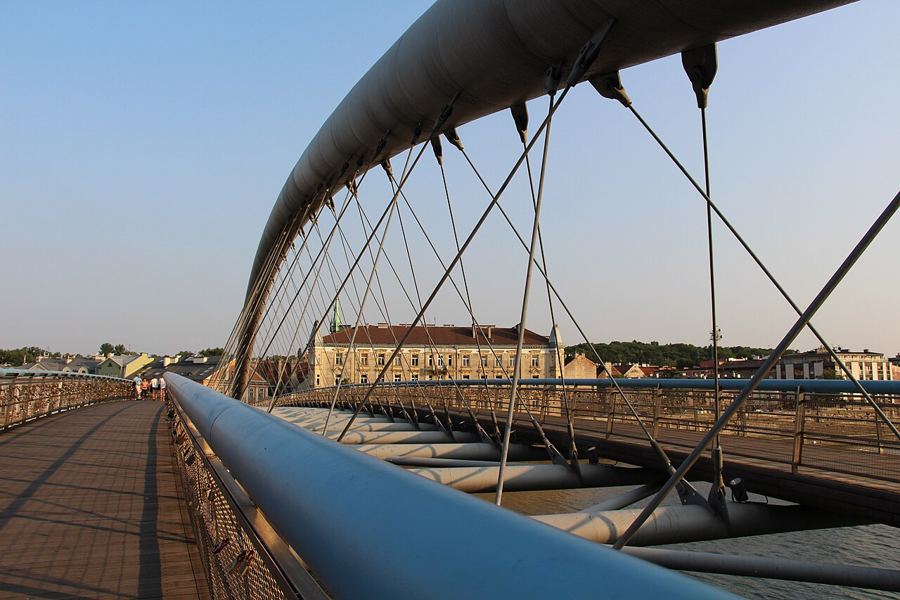 Town, ghetto and campFather Bernatek’s footbridge, joining Kazimierz and Podgórze
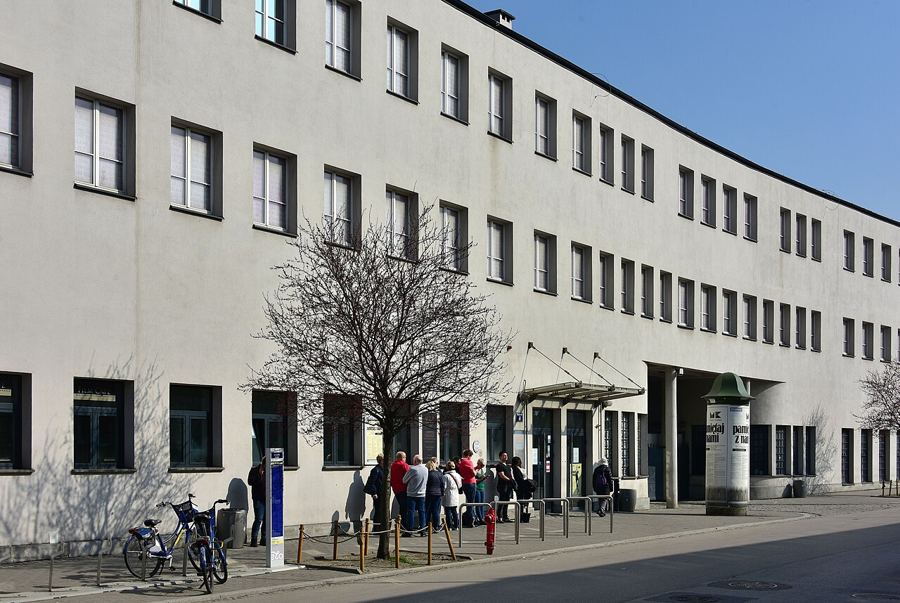 Museums on the right bankA city under occupation, inside Schindler’s factory
Photographs used: Jakub Hałun — Creative Commons BY-SA 4.0; Igor123121 — Creative Commons BY 4.0; Ingo Mehling — Creative Commons BY-SA 4.0; serwacy01 — Creative Commons BY-SA 4.0; Fred Romero from Paris, France — Creative Commons BY 2.0; Adrian Grycuk — Creative Commons BY-SA 3.0