- Period
- 18th-19th century
- Distance
- 30 min from the Rynek
Podgórze, the town across the Vistula
Founded as a free royal town under Austrian rule, Podgórze grew opposite Kazimierz before joining Kraków. Its old market square still marks that separate beginning.
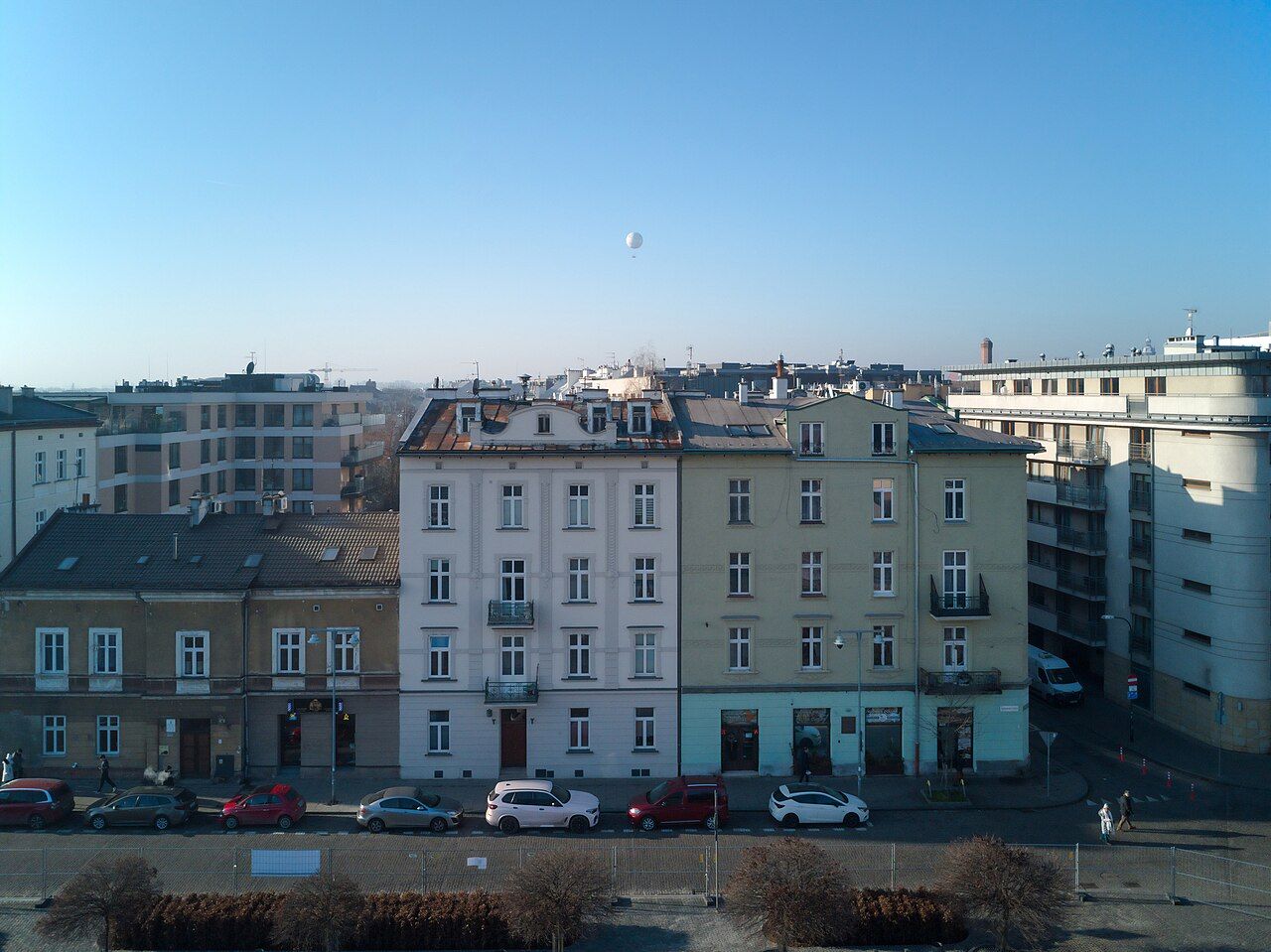
The Vistula lies between Podgórze and the city on the other bank. Bridges and a footbridge cross it now, but the river’s place in the story is older than those crossings: after the First Partition of Poland in 1772, it became a border, and Podgórze lay on the Austrian side. I find that beginning easy to feel in the shape of the place. Not quite elsewhere, not simply the same place either.
Was Podgórze always part of Kraków?
Myth: Podgórze was always just another part of Kraków. Fact: Emperor Joseph II founded it as a free royal town in 1784. It was joined to Kraków in 1915. Those dates give the town its own arc, from a foundation under Austrian rule to union with the city across the river. I like the pause between those two facts: Podgórze had a life of its own before it became part of Kraków.
Was it only a counterpart to Kazimierz?
Myth: Podgórze’s story is simply that it stood opposite Kazimierz. Fact: It did grow as a trading and manufacturing town opposite Kazimierz, but it had its own old market square, the Rynek Podgórski. The word “opposite” tells us where Podgórze stood; it does not make the town a reflection. Its history begins across the water, but it belongs to this bank.
That distinction is what gets under my skin here. A river can seem to settle everything: this side, that side; one town, another. Then the crossings make a connection, and the old market square gives Podgórze a centre of its own. I find myself thinking of its history not as a neat change from separate to joined, but as two truths held together. Podgórze was a free royal town, and it became part of Kraków. Neither fact cancels the other. The old streets make that doubleness feel close to the ground. Podgórze grew through trade and manufacturing, and the 19th-century town houses along Kalwaryjska and Limanowskiego are part of the town’s particular grain. Behind it, limestone hills rise, cut by old quarries. The hills and streets do not tell the same story, but they sit together in my sense of the place: a town with a centre, a working past, and a landscape rising behind it. I do not need to imagine a grand boundary to understand the old separation. The river is there; so are the bridges. And between them, Podgórze keeps its own name and shape in my mind.
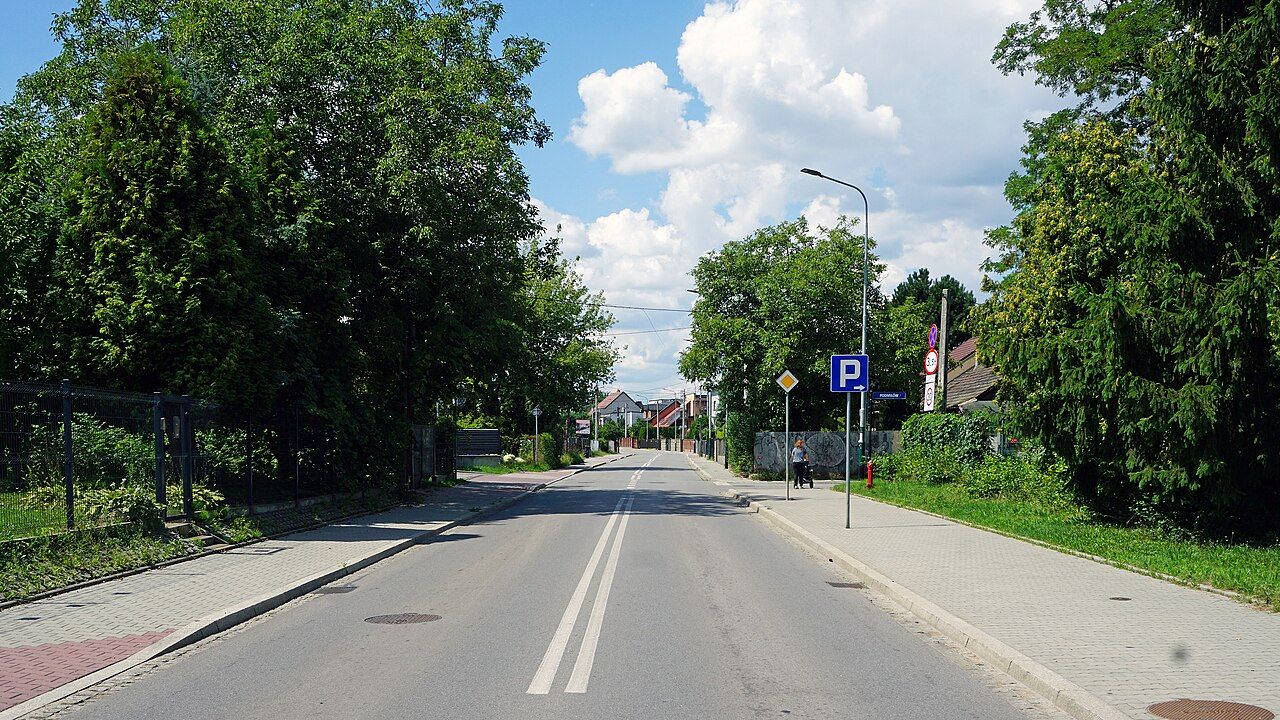
- Founded as a free royal town: 1784.
- Joined to Kraków: 1915.
- Old market square: Rynek Podgórski.
- Town houses: Kalwaryjska and Limanowskiego streets.
Does the market square tell the whole story?
Myth: The Rynek Podgórski is all there is to notice. Fact: St Joseph’s Church stands on the square. Built between 1905 and 1909 to the design of Jan Sas-Zubrzycki, it is neo-Gothic, with a tall tower that dominates the district. The square and its church offer a clear centre, while the limestone hills and quarries give the district another edge.
The bridges and footbridge link Podgórze with Kazimierz across the Vistula; among them is the footbridge with its acrobats. The river no longer reads to me only as a border. It is also the space that lets these distinct histories face one another.
For me, Podgórze remains Kraków’s most tangible other bank.
More from Podgórze and beyond
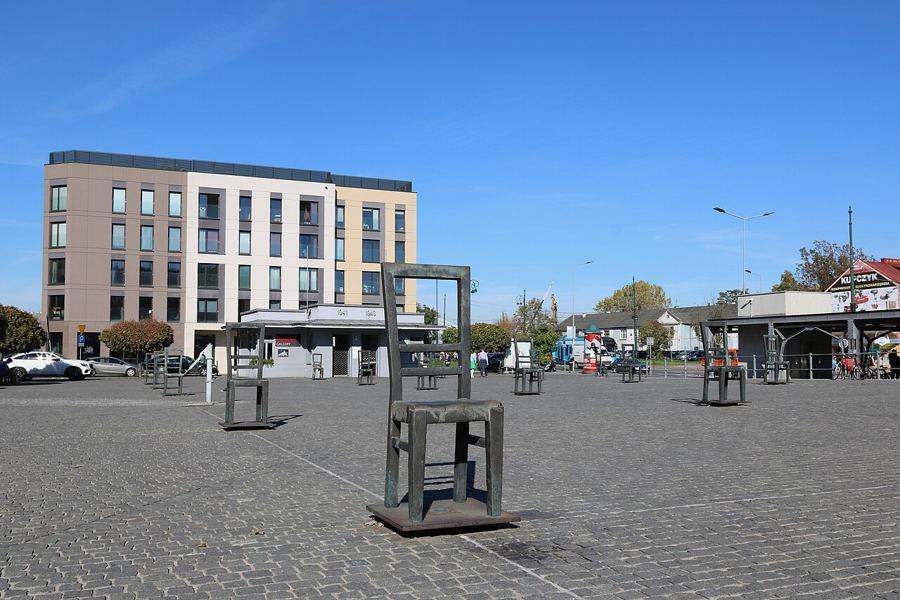 Town, ghetto and campWhat do the empty chairs remember?
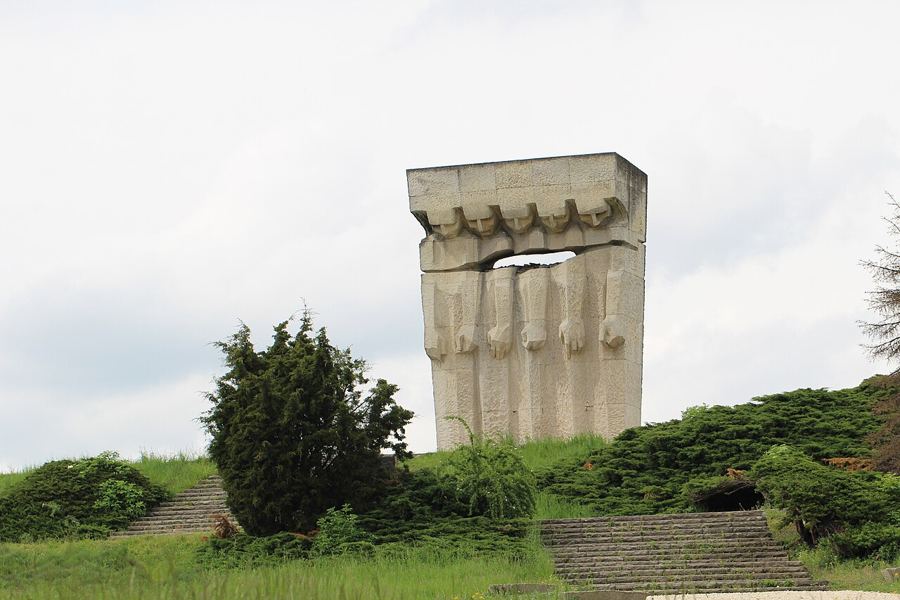 Town, ghetto and campWhat does the monument hold at Płaszów?
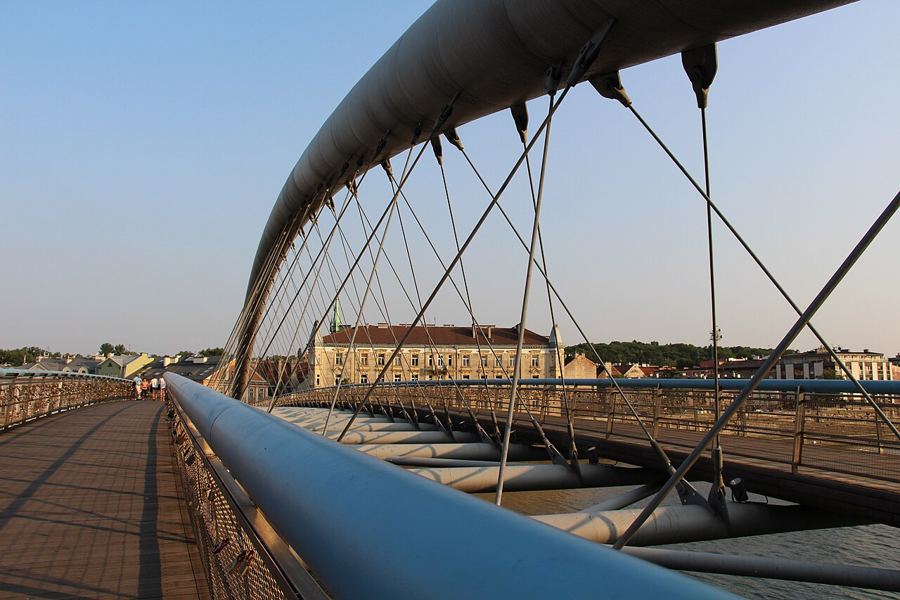 Town, ghetto and campFather Bernatek’s footbridge, joining Kazimierz and Podgórze
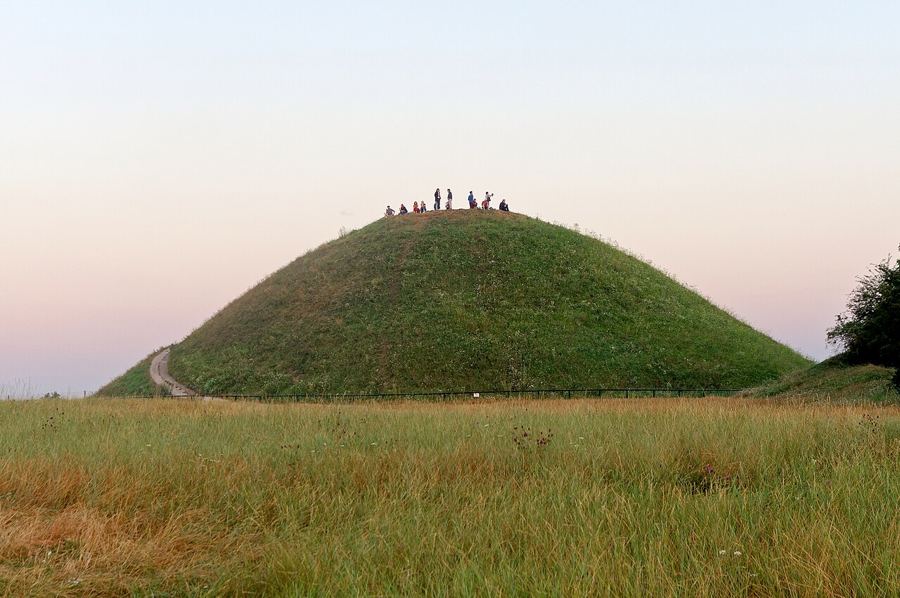 Mound and quarryThe hill that keeps its oldest question
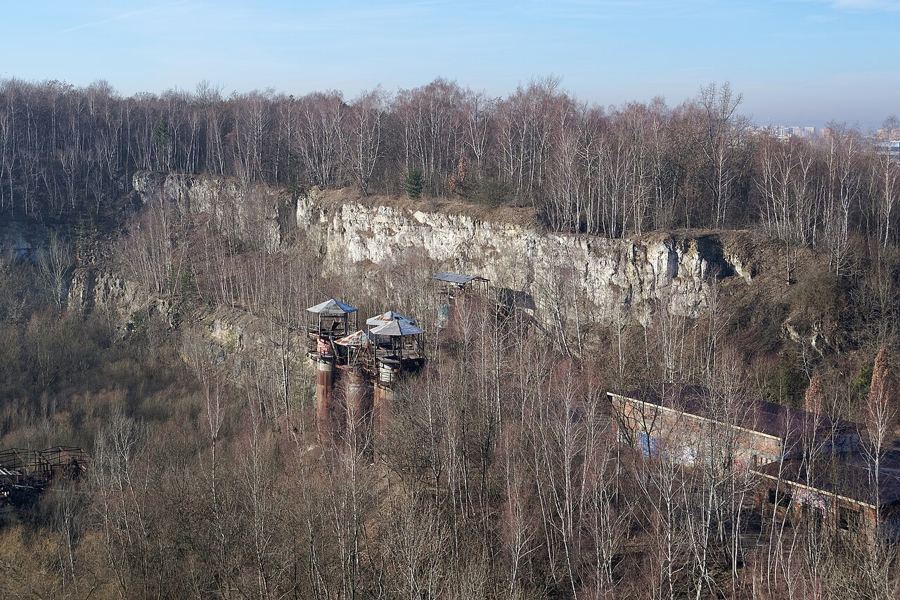 Mound and quarryThe Liban quarry: a hole in the hill with many pasts
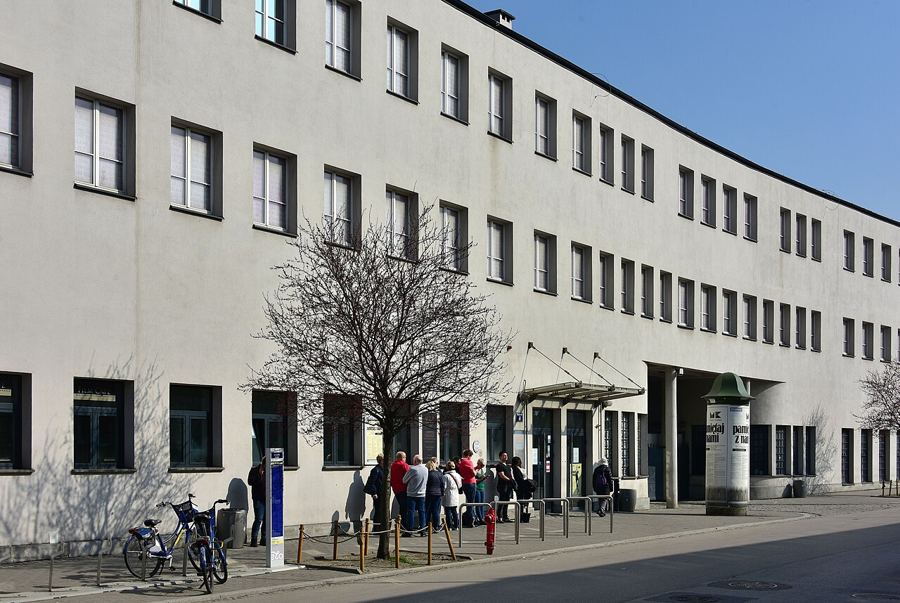 Museums on the right bankA city under occupation, inside Schindler’s factory
Photographs used: Ingo Mehling — Creative Commons BY-SA 4.0; serwacy01 — Creative Commons BY-SA 4.0; Fred Romero from Paris, France — Creative Commons BY 2.0; Jakub Hałun — Creative Commons BY-SA 4.0; Jakub Hałun — Creative Commons BY-SA 4.0; Adrian Grycuk — Creative Commons BY-SA 3.0