- Period
- 1941-1943
- Distance
- 30 min from the Rynek
What do the empty chairs remember?
At the heart of the wartime ghetto in Podgórze, bronze chairs and a pharmacy hold two different forms of memory in a public square.
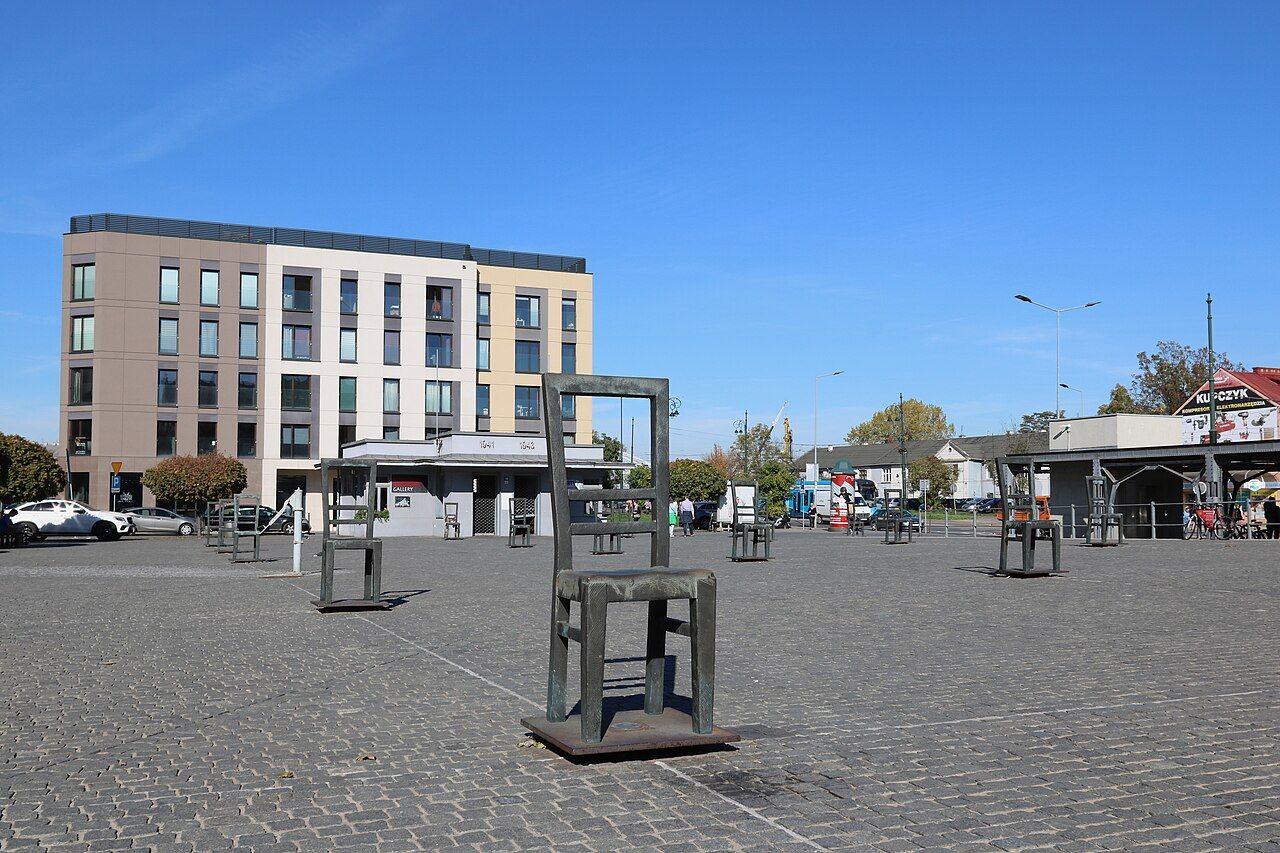
Seventy large bronze chairs occupy the square at the heart of the wartime ghetto in Podgórze. They stand where the main assembly point for deportations once was. Their stillness asks for no answer, but it leaves a question with me: what can a public square hold after so much has been taken from it?
What was this square during the ghetto?
When the German occupiers ordered a closed ghetto for Kraków’s Jews in Podgórze in March 1941, this square, then called Plac Zgody, became its main assembly point for deportations. Several times more people were crowded into the ghetto than had lived in Podgórze before. Walls, with their tops shaped like Jewish gravestones, closed it off.
The name Plac Zgody belongs to the square’s history, but not to the history of ease its words might suggest. I find it difficult to keep the name separate from what happened here. In March 1943 the ghetto was liquidated. Many people were murdered on the spot or sent to the Płaszów camp and to Auschwitz. The square remains a public place, and the knowledge of its former purpose rests within that ordinary fact.
Why are there empty chairs?
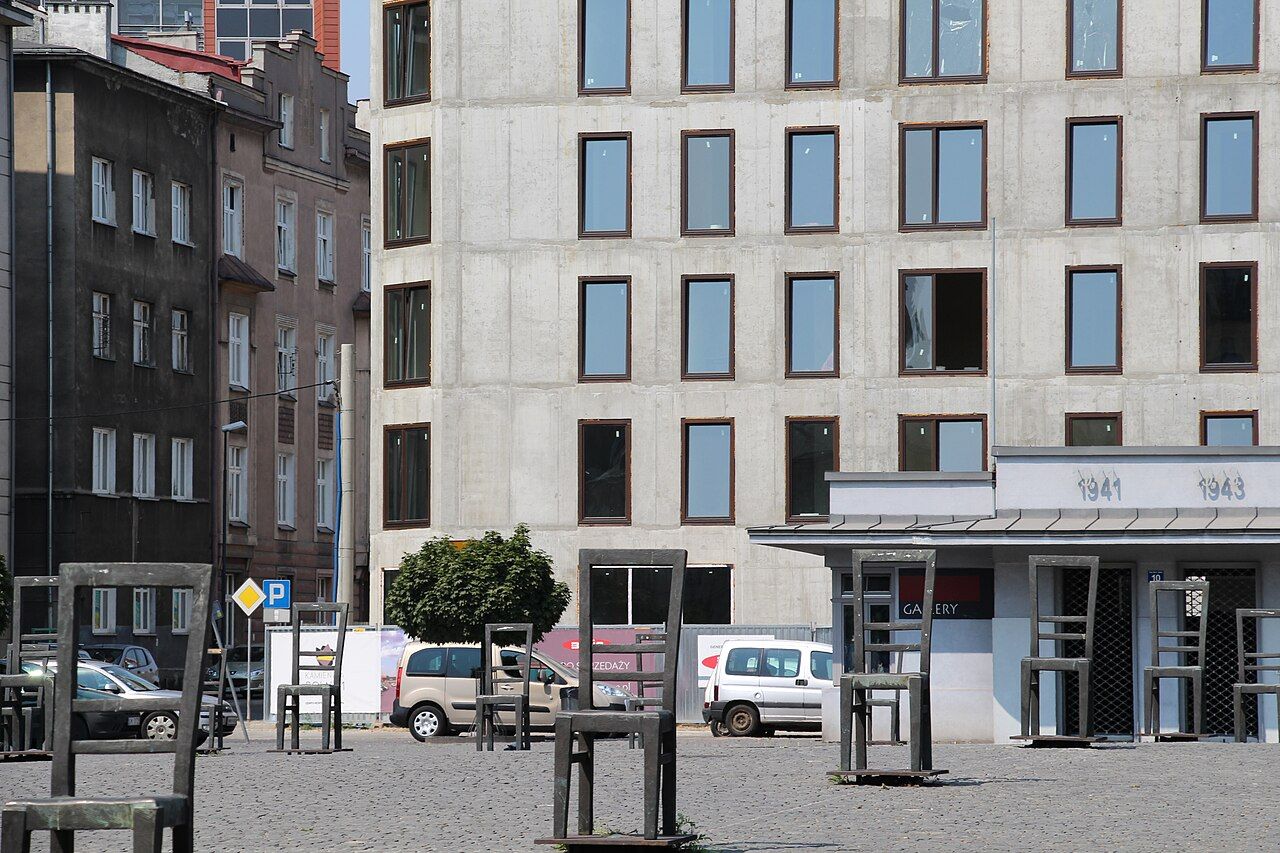
The memorial of seventy large bronze chairs was installed in 2005. Piotr Lewicki and Kazimierz Łatak designed it. The chairs recall the furniture and belongings left scattered on the square after the deportations. Their size gives them a strong presence, while their emptiness points back to what is absent.
I keep returning to that contrast. The chairs do not try to recreate the lives that were broken here, and they cannot make the past feel complete. They give the square a form of remembrance that can be encountered in the course of daily life: not a room set apart, but a memorial occupying the place where people were assembled and deported. I feel the weight of that choice in the space between the chairs, and in the thought of belongings left behind. A chair is an everyday object; here, it carries the shape of a loss that was anything but ordinary.
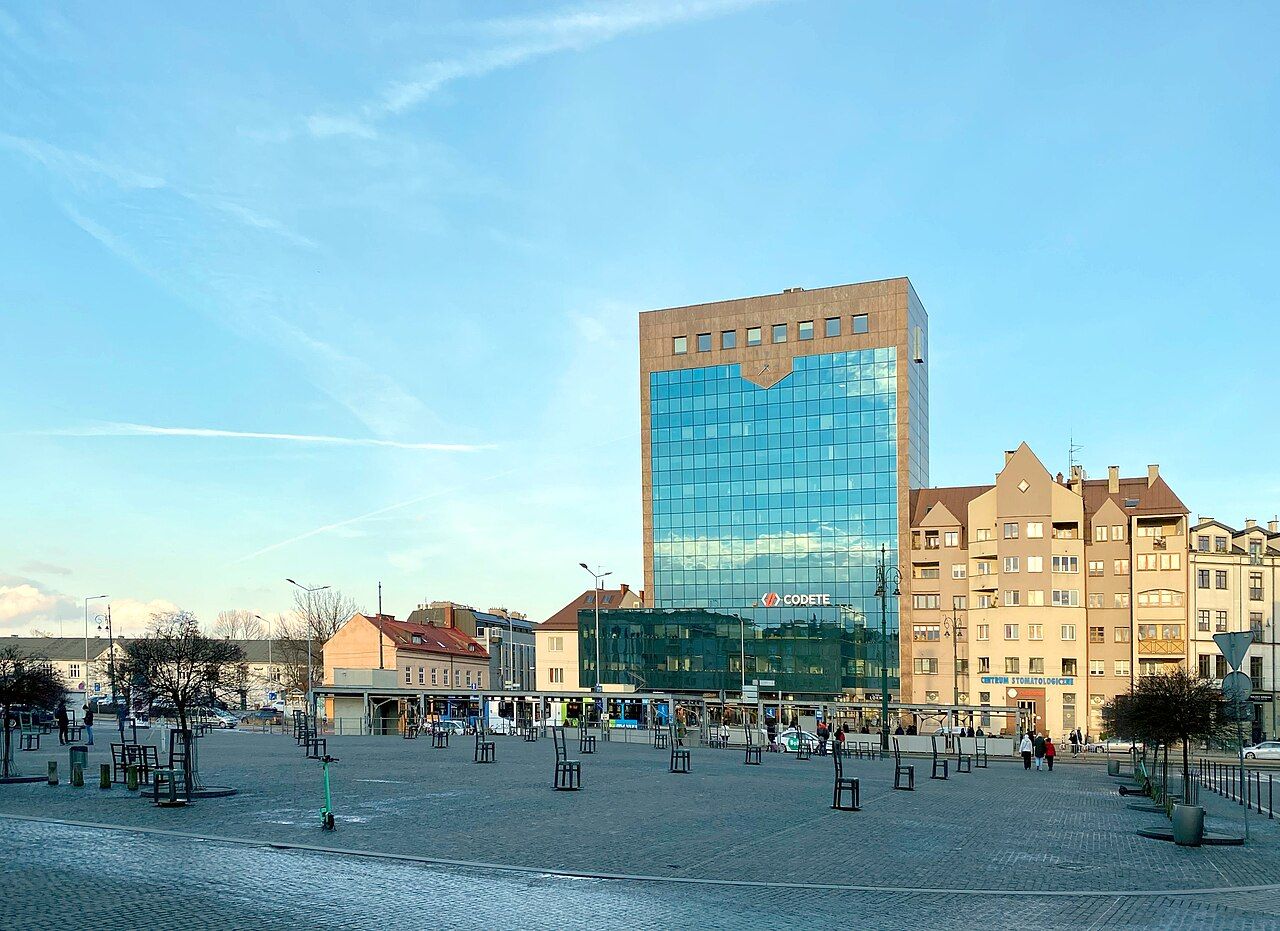
The square’s name is now Plac Bohaterów Getta, Ghetto Heroes Square. The memorial does not tell me that the past is settled. Rather, the chairs make it difficult to pass over the square’s history as if it were only a former name or a date. They leave room for a pause, and for the people whose absence the memorial recalls.
What remains of the ghetto walls?
Fragments of the ghetto wall survive on Lwowska Street and on Limanowskiego Street. The walls that closed the ghetto off had tops shaped like Jewish gravestones. Even in the brief description of them, two meanings meet: a boundary imposed on people, and the form of a grave marker.
These fragments and the chairs keep different kinds of memory. A surviving wall makes the act of enclosing visible; the chairs recall what was left scattered after people were deported. I think of them together, not as a complete picture but as separate traces of the history held by Podgórze.
Who was Tadeusz Pankiewicz?
Tadeusz Pankiewicz ran the pharmacy on the square and was the only Pole permitted to live inside the ghetto. He was recognised as Righteous Among the Nations in 1983. The Pharmacy Under the Eagle, the pharmacy on the square, is now a branch of the city history museum.
Its place in this story is close to the square’s memorial, but it offers another point of attention: a pharmacy and the person who ran it within the ghetto. I do not want to turn that fact into a larger story than it can bear. It is enough to know that the pharmacy stood on the square, and that Pankiewicz witnessed the ghetto’s history there.
The story of Kraków’s wartime history extends beyond this square, including the enamel factory museum.
What can be held in mind here?
- Plac Zgody was the square’s name during the ghetto.
- The square was the main assembly point for deportations.
- The memorial of seventy bronze chairs was installed in 2005.
- Fragments of the ghetto wall survive on Lwowska Street and Limanowskiego Street.
- The Pharmacy Under the Eagle is now a branch of the city history museum.
This small list is not a way to tidy the history away. It is a way to hold on to the facts that give the square its particular weight: the old name, the purpose imposed upon it, the belongings remembered by the chairs, and the pharmacy that remains part of its story. For me, public remembrance has something unsettled about it. The square is not sealed from the rest of life; its memorial stands within it.
The chairs remember the belongings left behind, and make absence visible in the heart of the square.
The chairs remember the belongings left behind, and make absence visible in the heart of the square.
That is what stays with me: not a finished account, but the steady presence of the memorial alongside the name Ghetto Heroes Square. The history is not held in one object alone. It belongs to the square, to the surviving wall fragments, and to the pharmacy on the square whose owner witnessed the ghetto’s history.
More from Podgórze and beyond
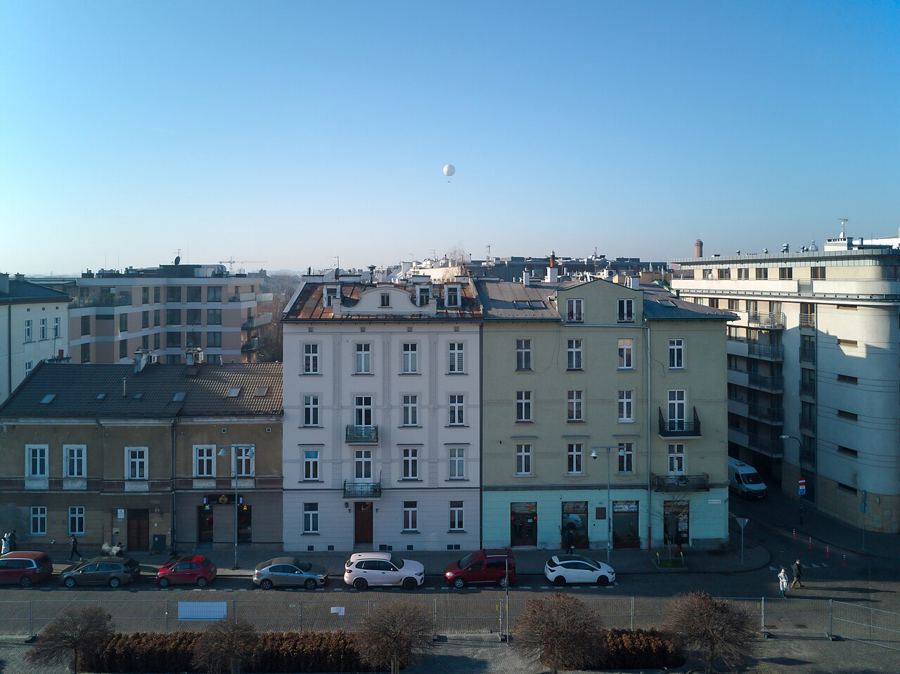 Town, ghetto and campPodgórze, the town across the Vistula
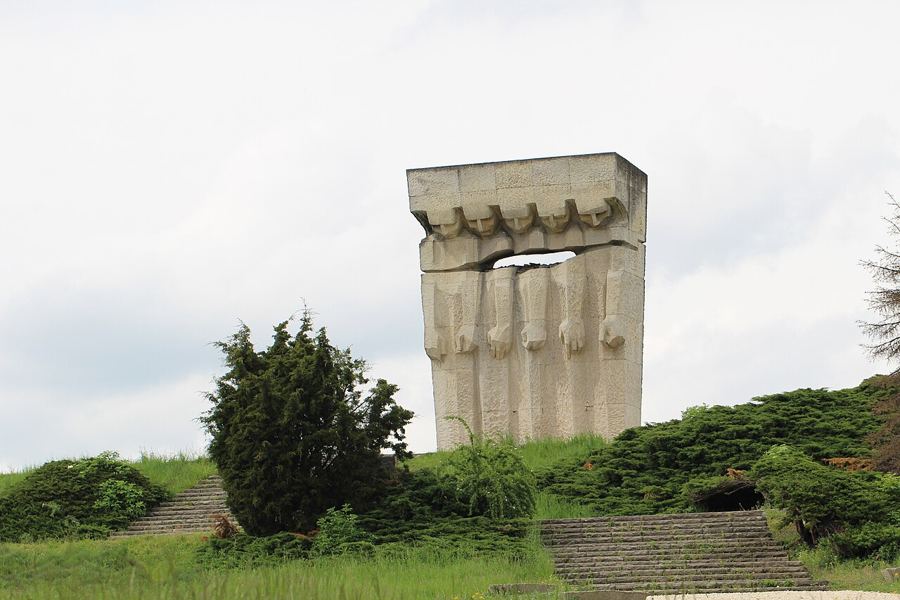 Town, ghetto and campWhat does the monument hold at Płaszów?
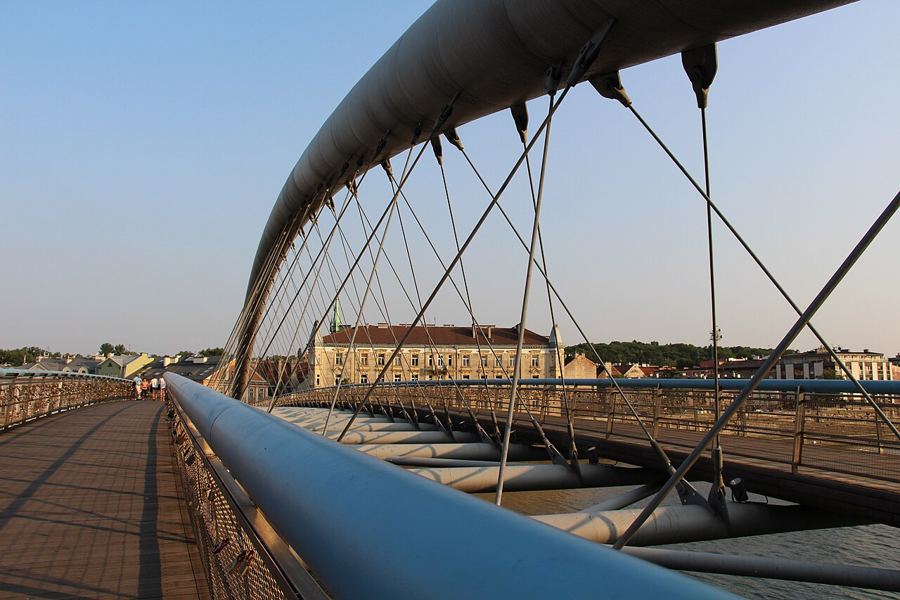 Town, ghetto and campFather Bernatek’s footbridge, joining Kazimierz and Podgórze
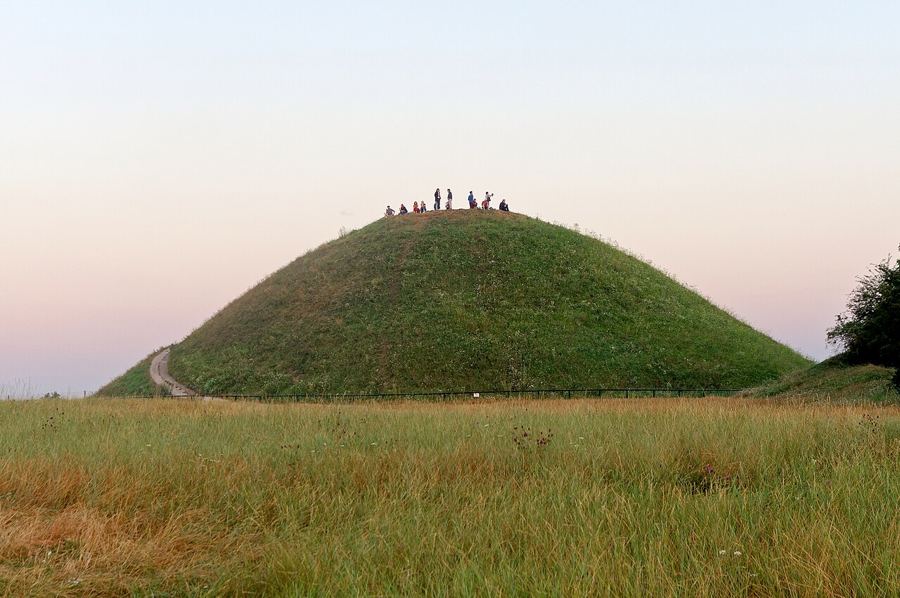 Mound and quarryThe hill that keeps its oldest question
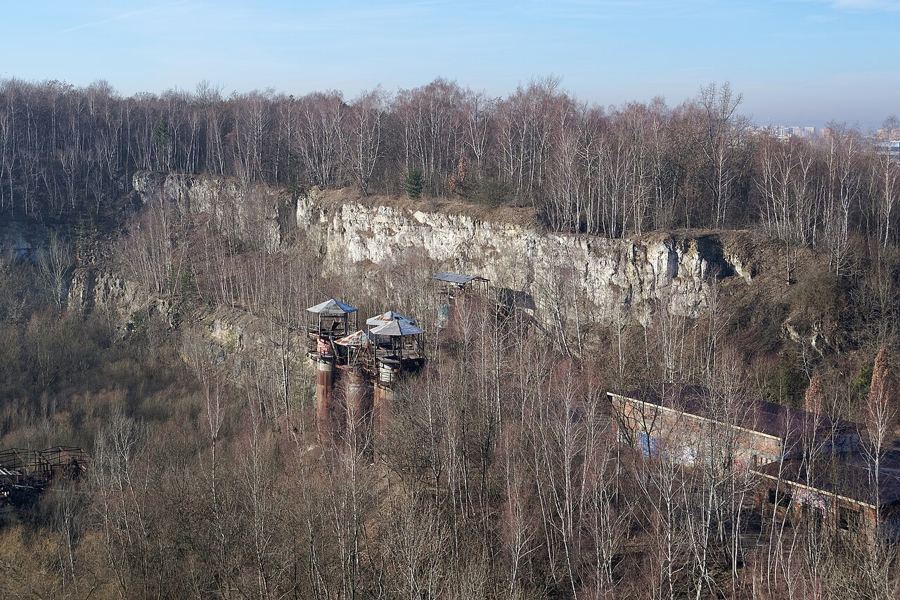 Mound and quarryThe Liban quarry: a hole in the hill with many pasts
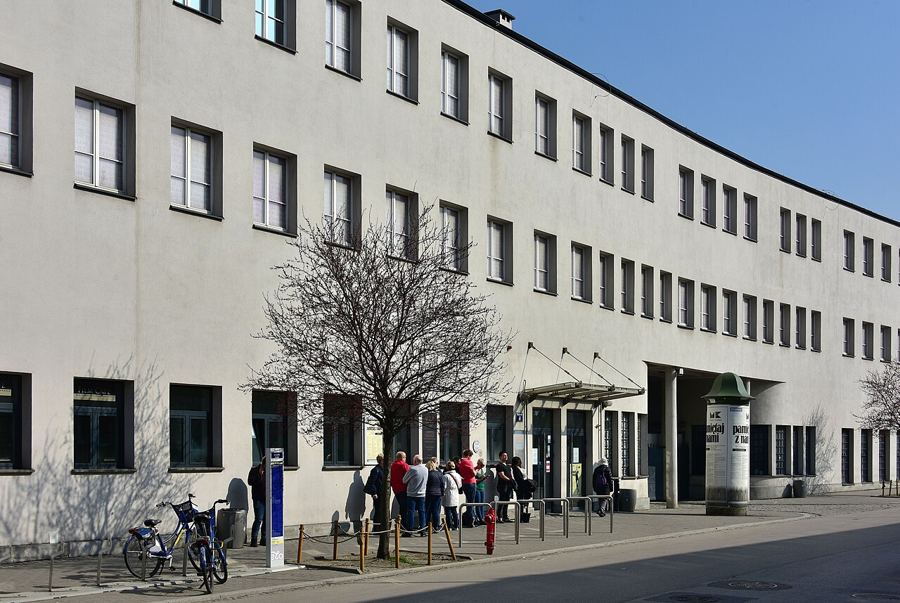 Museums on the right bankA city under occupation, inside Schindler’s factory
Photographs used: Igor123121 — Creative Commons BY 4.0; serwacy01 — Creative Commons BY-SA 4.0; Fred Romero from Paris, France — Creative Commons BY 2.0; Jakub Hałun — Creative Commons BY-SA 4.0; Jakub Hałun — Creative Commons BY-SA 4.0; Adrian Grycuk — Creative Commons BY-SA 3.0