- Period
- 1939-1945
- Distance
- 35 min from the Rynek
A city under occupation, inside Schindler’s factory
At Lipowa Street, the former enamel factory tells the story of Kraków under occupation: a city-wide exhibition beside the rooms and objects tied to Oskar Schindler.
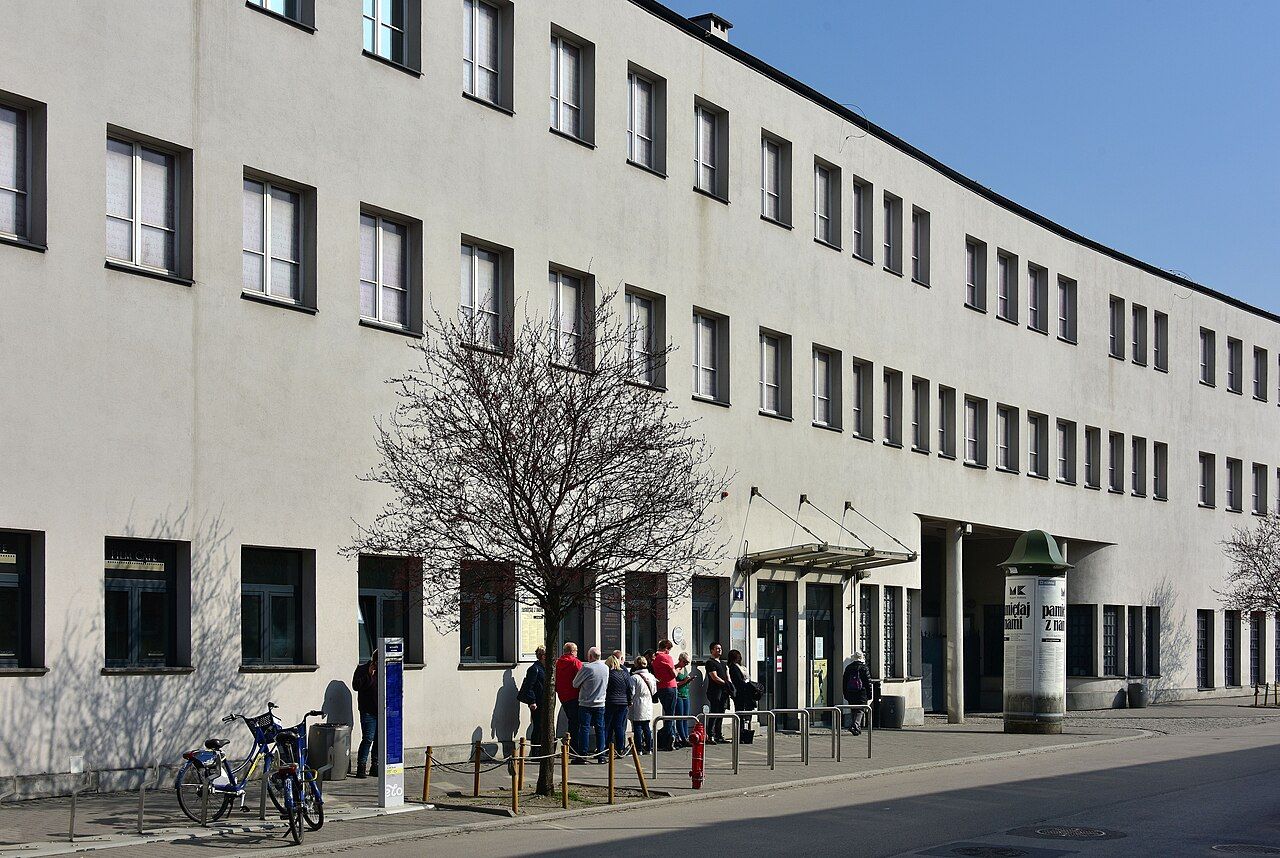
Oskar Schindler took over an enamelware factory at Lipowa Street 4 in Podgórze in 1939. Today, its administrative building holds the exhibition Kraków under Nazi Occupation 1939–1945. That change of purpose is part of what I keep returning to here: the factory is remembered through Schindler, but the exhibition takes in the life of the whole city.
Is the factory only Schindler’s story?
That is an easy assumption to carry through the door. Schindler employed Jewish workers from the ghetto and the Płaszów camp in the factory. In 1944, he moved his workers to a factory in Brněnec, in Moravia, saving about 1,200 Jews. He was recognised as Righteous Among the Nations in 1993. These are the facts that give the place its familiar name and weight.
But the exhibition is not confined to one man. It follows the life of Kraków during the occupation, Polish and Jewish. I find that distinction stays with me: Schindler’s story belongs here, but it is set within a larger account of a city living through occupation. The museum in the factory is a branch of the city history museum, and its subject is the city as a whole.
But the exhibition is not confined to one man.
Does the exhibition tell the story from a distance?
Another assumption might be that a history exhibition can only describe what happened, at a remove. Here, rooms recreate a ghetto street, a wartime tram and a square hung with occupation flags. The details do not make the past simple. They bring the exhibition’s account of the city into rooms and streets, giving its scale a form I can hold in mind.
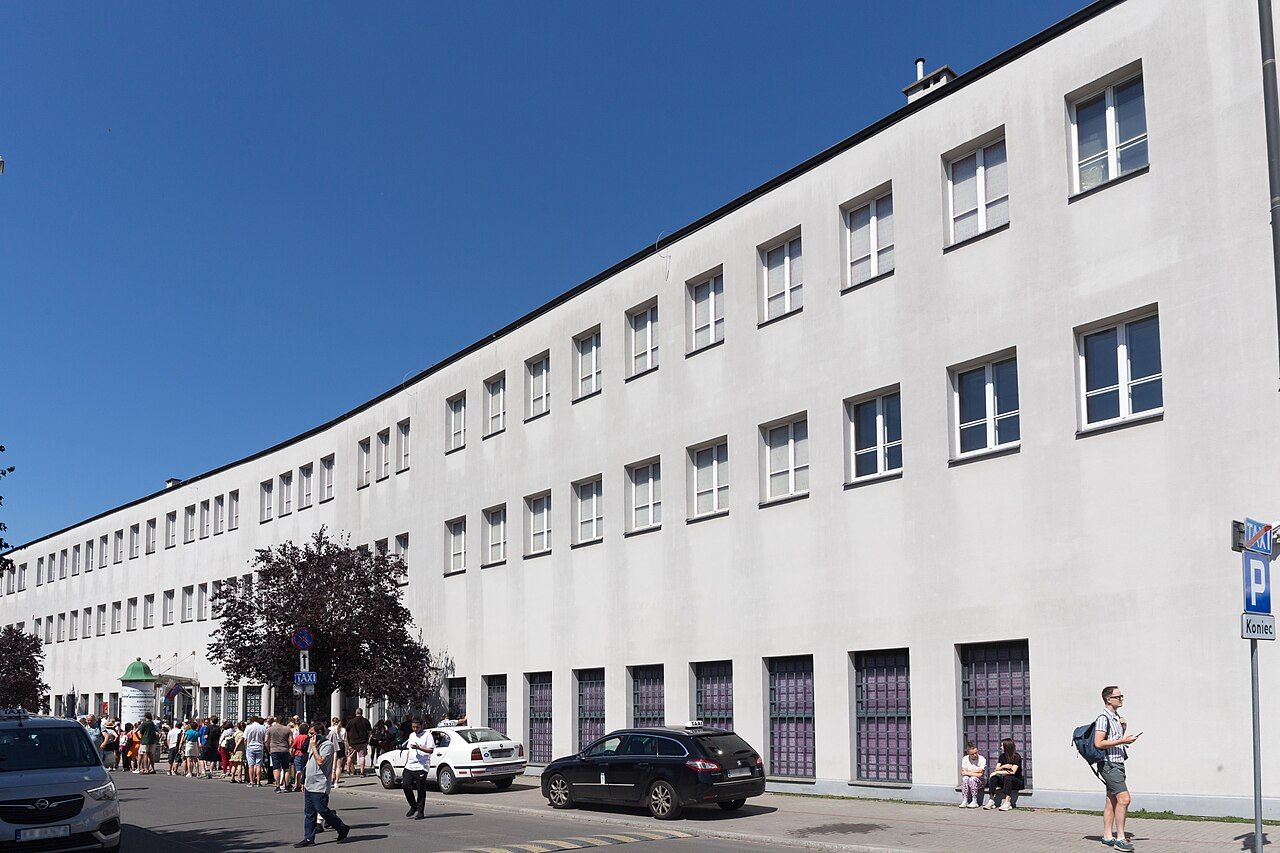
The factory itself remains present in the subject. Schindler’s office is part of the exhibition, and nearby an installation is built from enamel pots of the kind the factory made. I notice the quiet connection between the pots and the office: one points to what was made here, the other to Schindler’s place in the story. Neither replaces the wider account around it.
What are the practical details?
- From Rynek: 35 min
- Period covered: 1939–1945
- The exhibition is in the factory’s administrative building at Lipowa Street 4.
Is this still a factory district?
The factory’s courtyard and old workshops are part of the post-industrial area of Zabłocie. That description sits alongside the museum, rather than cancelling the earlier life of the buildings. I like the way the place holds these versions together: a working factory, a site bound up with Schindler, and now a setting for an exhibition about Kraków under occupation.
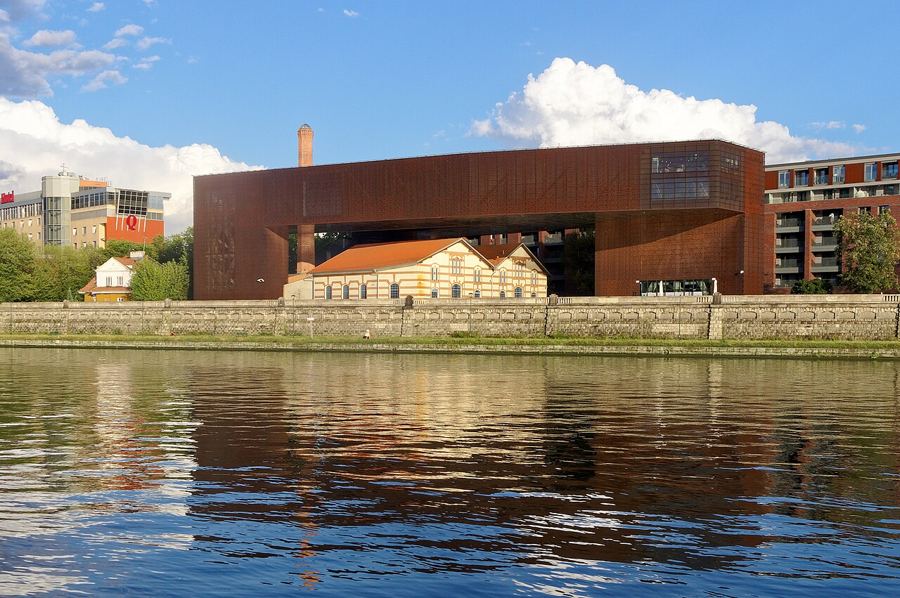
Next door, MOCAK, the Museum of Contemporary Art in Kraków, opened in former factory buildings in 2011. The neighbouring museum changes the frame again. In one direction is the exhibition about the city’s wartime life; beside it is a museum of contemporary art. The old workshops and courtyard belong to a larger post-industrial area, not only to the story told inside the administrative building. In a different register, Kantor's museum on the river belongs to the wider set of places through which I think about the city.
Did the film make this place famous?
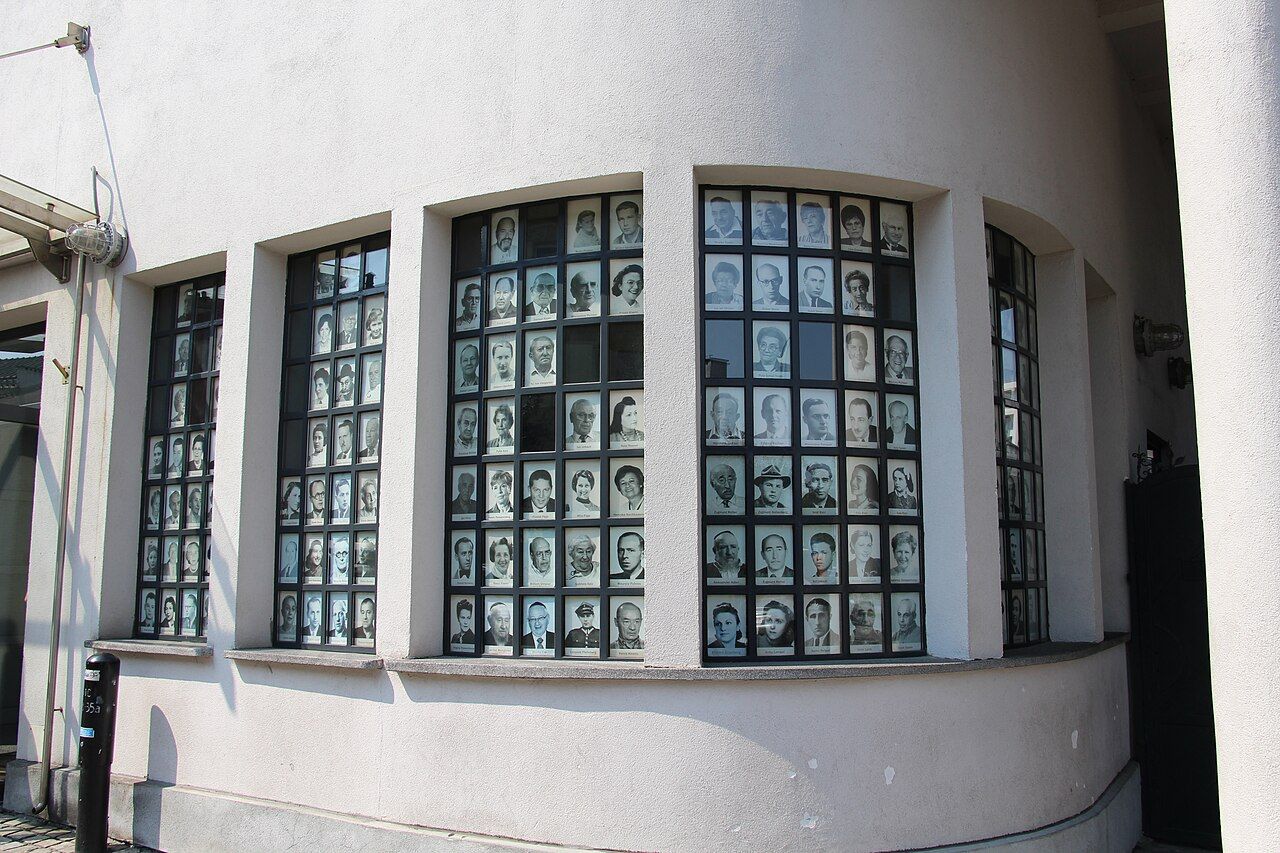
Steven Spielberg’s 1993 film Schindler’s List brought the factory worldwide attention. It is understandable, then, that the name Schindler may be the first thing people associate with the site. Yet attention is not the same as the full story. The exhibition’s title, Kraków under Nazi Occupation 1939–1945, makes its reach plain: it follows Polish and Jewish life across the whole city.
For me, that breadth is what stays. The office and the enamel pots are here; so are the recreated street, tram and square. The museum does not ask the factory to stand for only one life or one account. Its rooms make space for the history of a city, while the adjoining buildings and courtyard keep the factory’s other chapters in view. I find the two scales difficult to separate, and that is precisely how the place has settled in my mind.
Is the factory’s story finished?
The factory’s administrative building has housed the exhibition since 2010. Schindler’s story reaches from his taking over the enamelware factory in 1939 to the move to Brněnec in 1944; the museum’s account takes in the occupation years across Kraków. Next door, the former factory buildings have housed MOCAK since 2011. These dates mark different uses of the same area, without making one use the whole meaning of the place.
I leave the story there: not with a single hero at its centre, but with a factory that opens onto the city around it.
More from Podgórze and beyond
 Museums on the right bankA stage set made of old and new
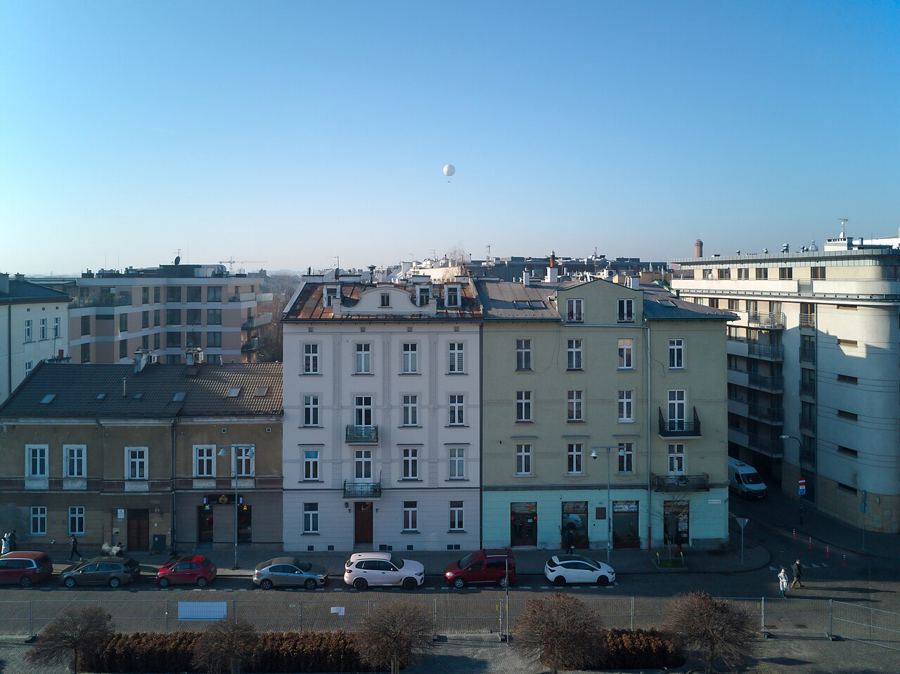 Town, ghetto and campPodgórze, the town across the Vistula
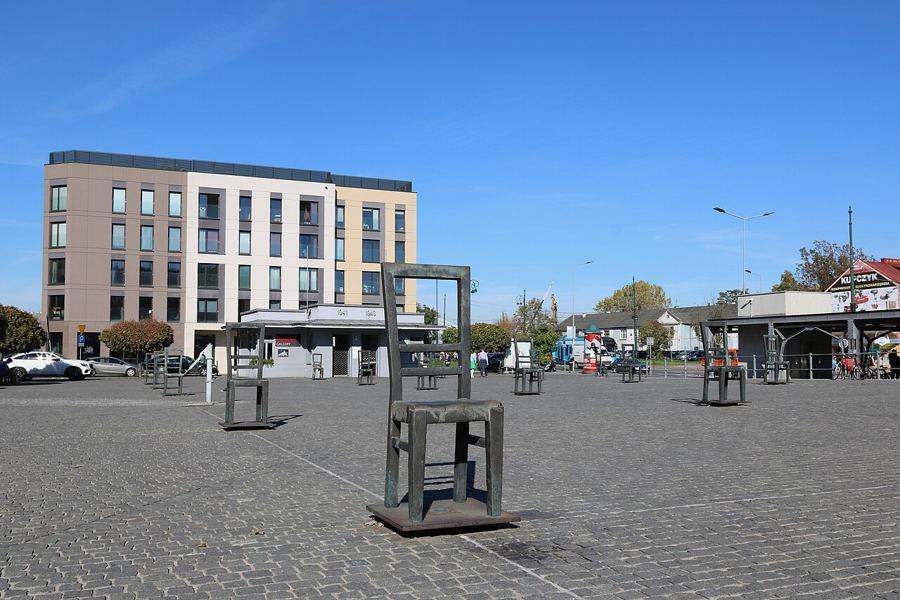 Town, ghetto and campWhat do the empty chairs remember?
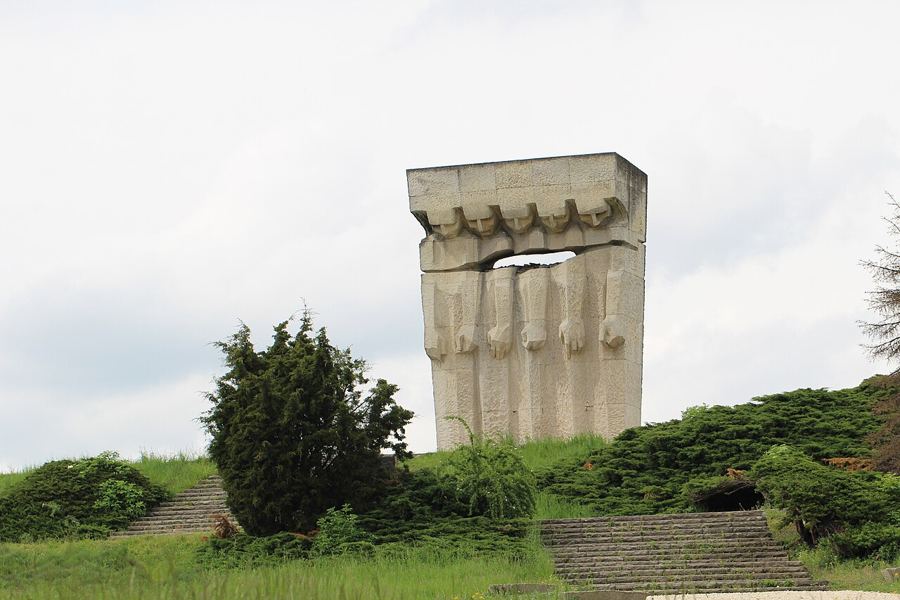 Town, ghetto and campWhat does the monument hold at Płaszów?
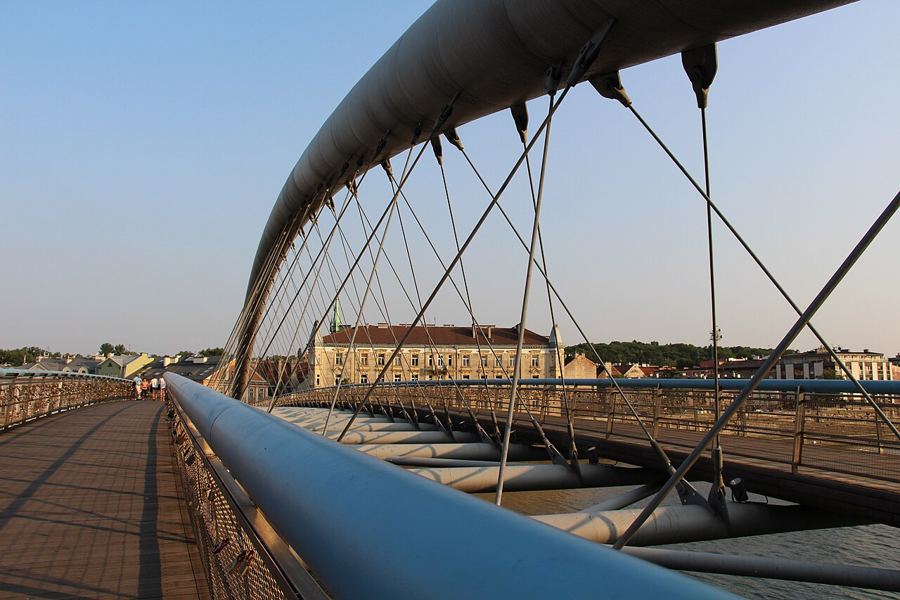 Town, ghetto and campFather Bernatek’s footbridge, joining Kazimierz and Podgórze
 Mound and quarryThe hill that keeps its oldest question
Photographs used: Jakub Hałun — Creative Commons BY-SA 4.0; Igor123121 — Creative Commons BY 4.0; Ingo Mehling — Creative Commons BY-SA 4.0; serwacy01 — Creative Commons BY-SA 4.0; Fred Romero from Paris, France — Creative Commons BY 2.0; Jakub Hałun — Creative Commons BY-SA 4.0