- Period
- 11th-15th century
- Distance
- on the Rynek itself
Beneath the square: the Rynek Underground
Under the eastern half of the Rynek Główny, the lost market lies beneath the present paving: stalls, coins, graves and layers of old street.
The square is underfoot, but the older market lies about 4 metres below its present paving. Glass screens give the eye a way down, through layers of street surface that time has covered. I follow the route as a kind of reading: each thing found beneath the Rynek Główny changes what the paving above seems to hold.
How should I begin?
Begin with the ground itself. Archaeologists excavated beneath the eastern part of the square from 2005 to 2010, and the museum opened in the excavated space in 2010. Those years mark the making of this view below the busy, familiar surface.
What remains of the market?
Follow the route past the remains of medieval trading stalls and the foundations of the old cloth hall. They are not a reconstruction of the market, but parts of its actual ground. I find myself thinking about how much of a city’s life can leave a trace without leaving a complete picture.
What can the small finds tell me?
Pause over the thousands of coins dropped by traders over the centuries. Their number gives the market a very human scale: small losses, repeated across time. Lead bars, scales and weights recovered here show how metals were traded. Together, these things make exchange tangible without pretending that every detail of a day in the market can be recovered.
What was here before the charter?
Keep going to the early medieval cemetery beneath the square. Its graves are older than the 1257 charter. The market is not the beginning of this ground; the graves make that plain. I linger on the contrast between the later trading place and the much older presence below it.
What do the glass screens reveal?
Look down through the screens into layers of old street surface. The view is less a single scene than a stack of ground levels, one laid over another. My bad knee always comes to mind when I think of descents, but here the more striking descent is through time, measured by the surfaces left behind.
What is useful to keep in mind?
- The museum is under the square: 0 min from the Rynek.
- The exhibition is about 4 metres below the present paving.
- The Rynek Underground opened in 2010.
The Rynek Underground is a branch of Muzeum Krakowa, the city’s history museum; it was formerly known in English as the Historical Museum of the City of Kraków. That name sits neatly beside what is here: not a separate town beneath the square, but the history of this one, held in its buried surfaces and objects.
This is the kind of place that gets under my skin by changing the scale of an ordinary view. Above, there is the square; below, the route brings the market into focus through things that were dropped, built, weighed or laid to rest. I like the quiet difference between looking at paving and looking through it. One surface seems complete until the screens show the older street below, and then the square carries more than one version of itself. The coins are especially easy to picture slipping from a trader’s hand, while the foundations and graves ask for a slower kind of attention. Nothing here needs to be made grander than it is. The old ground is enough.
The square above remains part of the story, with the leaning tower nearby in the same Rynek view.
More from Old Town and beyond
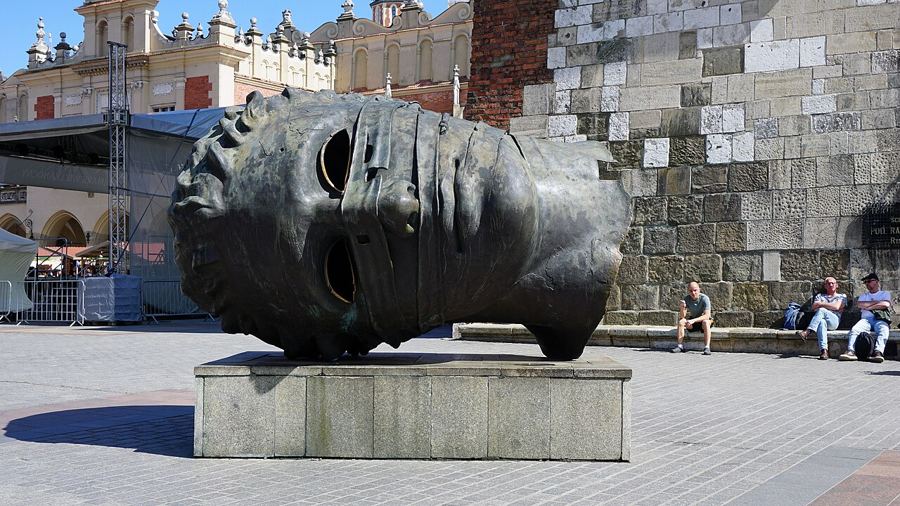 The Main SquareHow was Rynek Główny measured out in 1257?
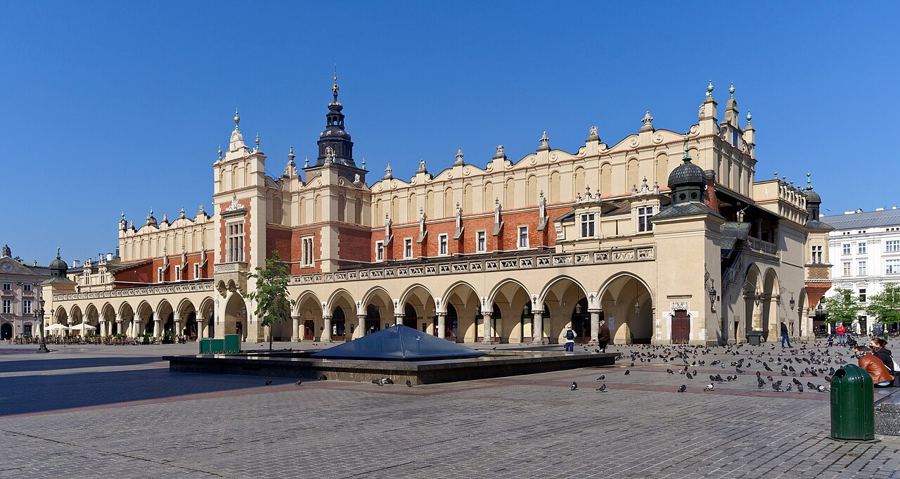 The Main SquareThe Sukiennice: two lives under one roof
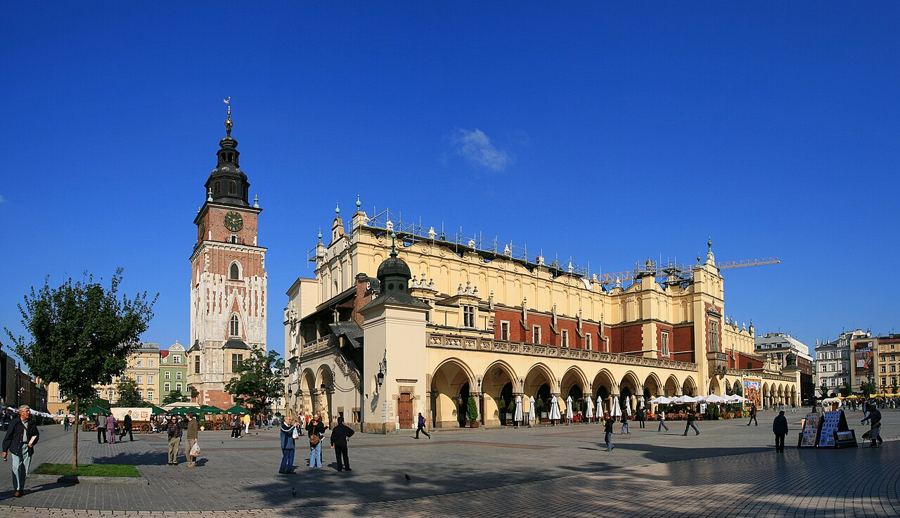 The Main SquareThe tower that lost its town hall
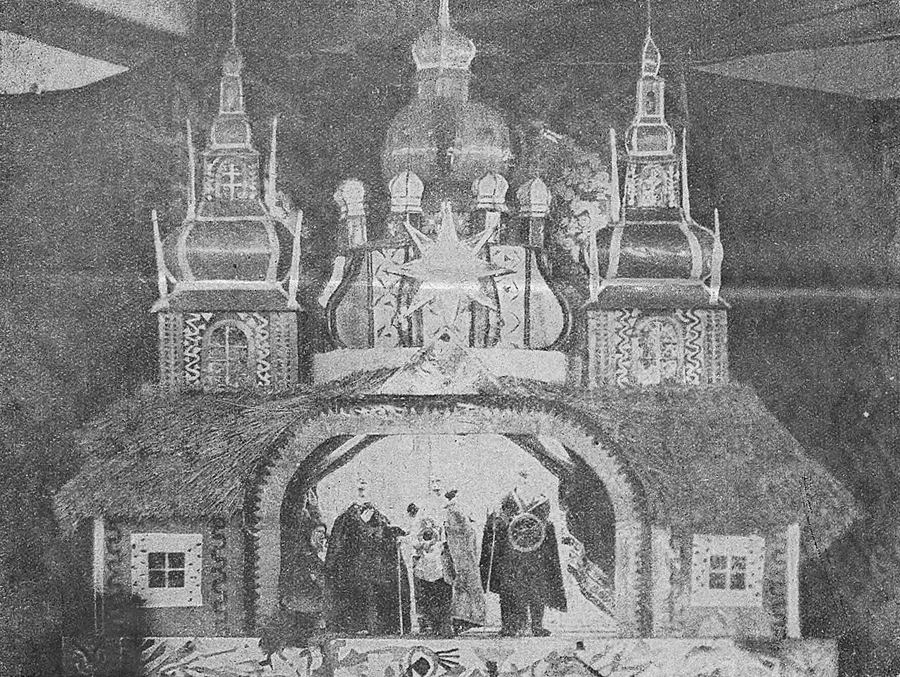 The Main SquareTinfoil cathedrals: how Kraków makes a szopka
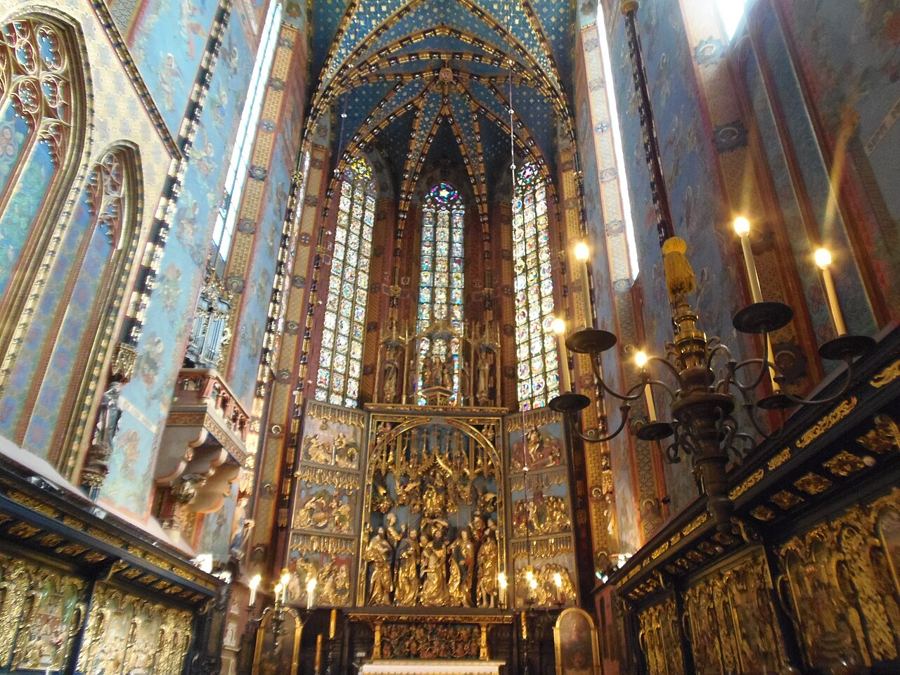 Churches and the bugleWhat happened to Veit Stoss’s altar at St Mary’s Basilica?
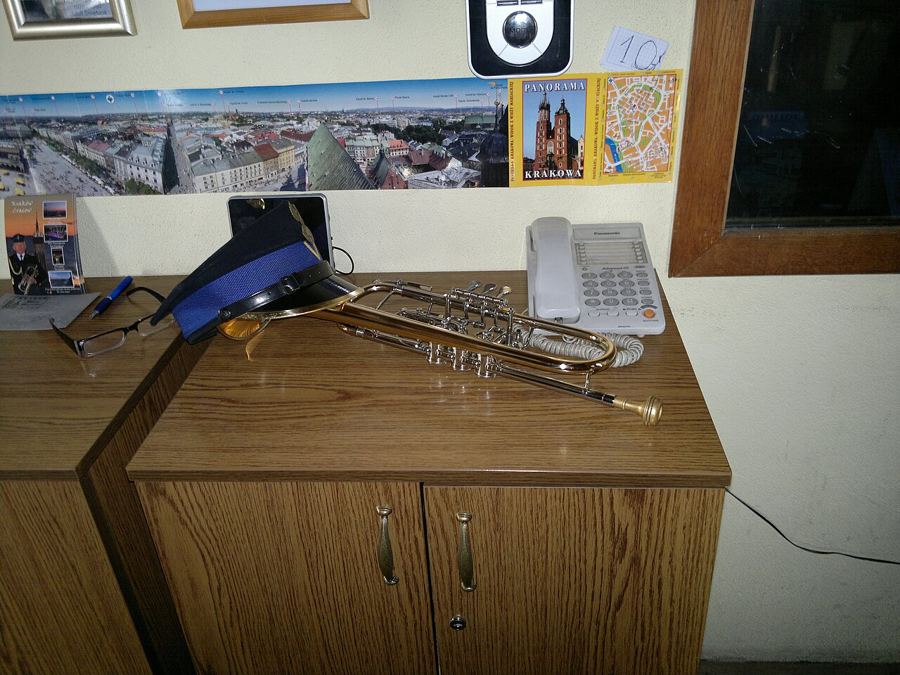 Churches and the bugleThe trumpet call that stops mid-note
Photographs used: Igor123121 — Creative Commons BY-SA 4.0; Jakub Hałun — Creative Commons BY-SA 4.0; Lestat (Jan Mehlich) — Creative Commons BY-SA 3.0; unknown — public domain the file; Mielon — Creative Commons BY-SA 3.0; Mark Healey from Brough, UK — Creative Commons BY-SA 2.0
