- Period
- 19th century to today
- Distance
- on the Rynek itself
Tinfoil cathedrals: how Kraków makes a szopka
A city of cardboard, wood and coloured tinfoil rises around the Holy Family, from winter craft and house-to-house puppet plays to a December contest.
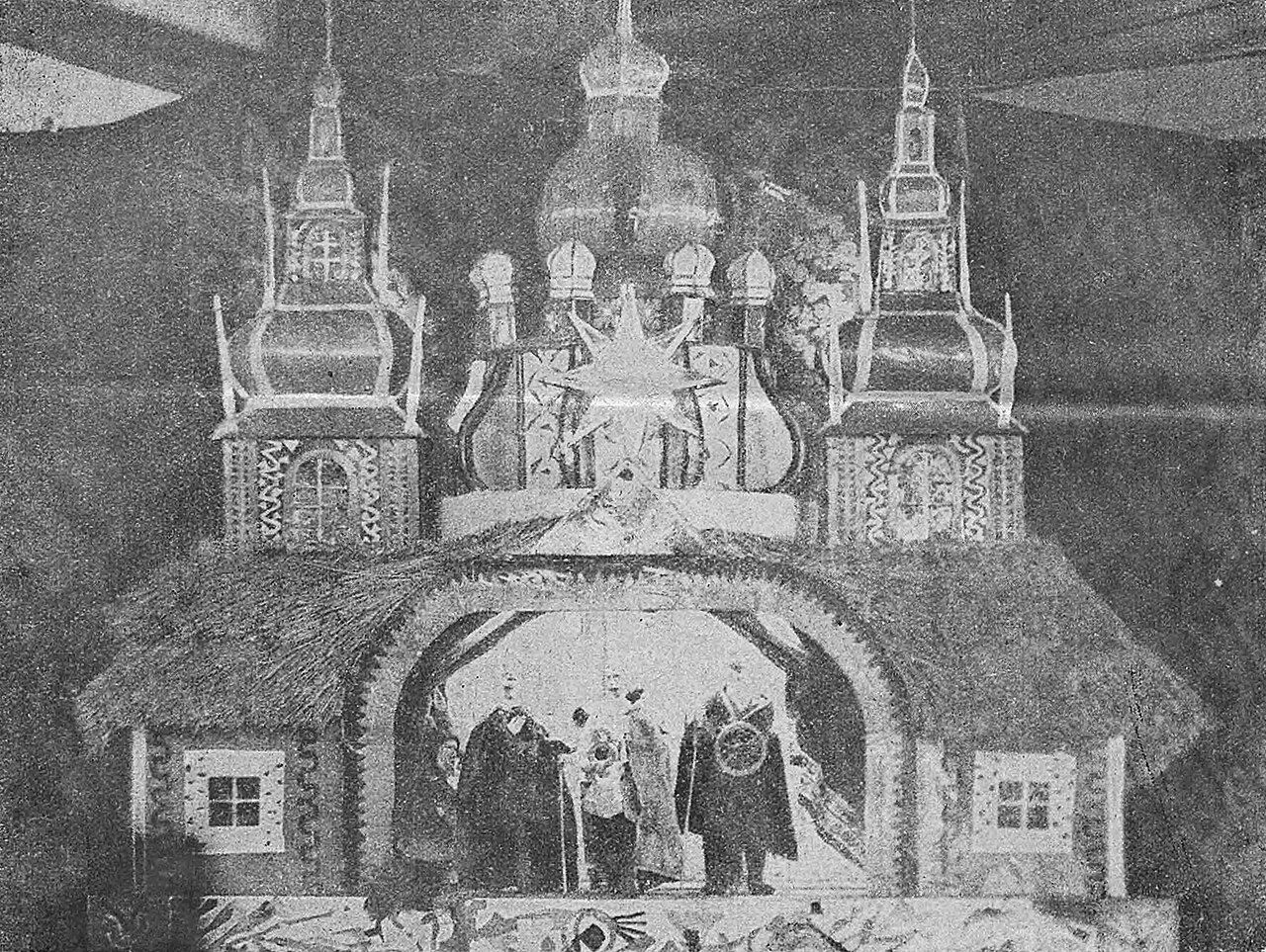
On the first Thursday of December, makers set their szopki on the steps of the Mickiewicz Monument. A line of nativity scenes becomes a line of towers: each model built tall, crowded with the shapes of Kraków’s churches and buildings. Many glow from within. The contest has opened this way each December since 1937, and the scene brings the city’s architecture into the Christmas story.
What is a Kraków szopka?
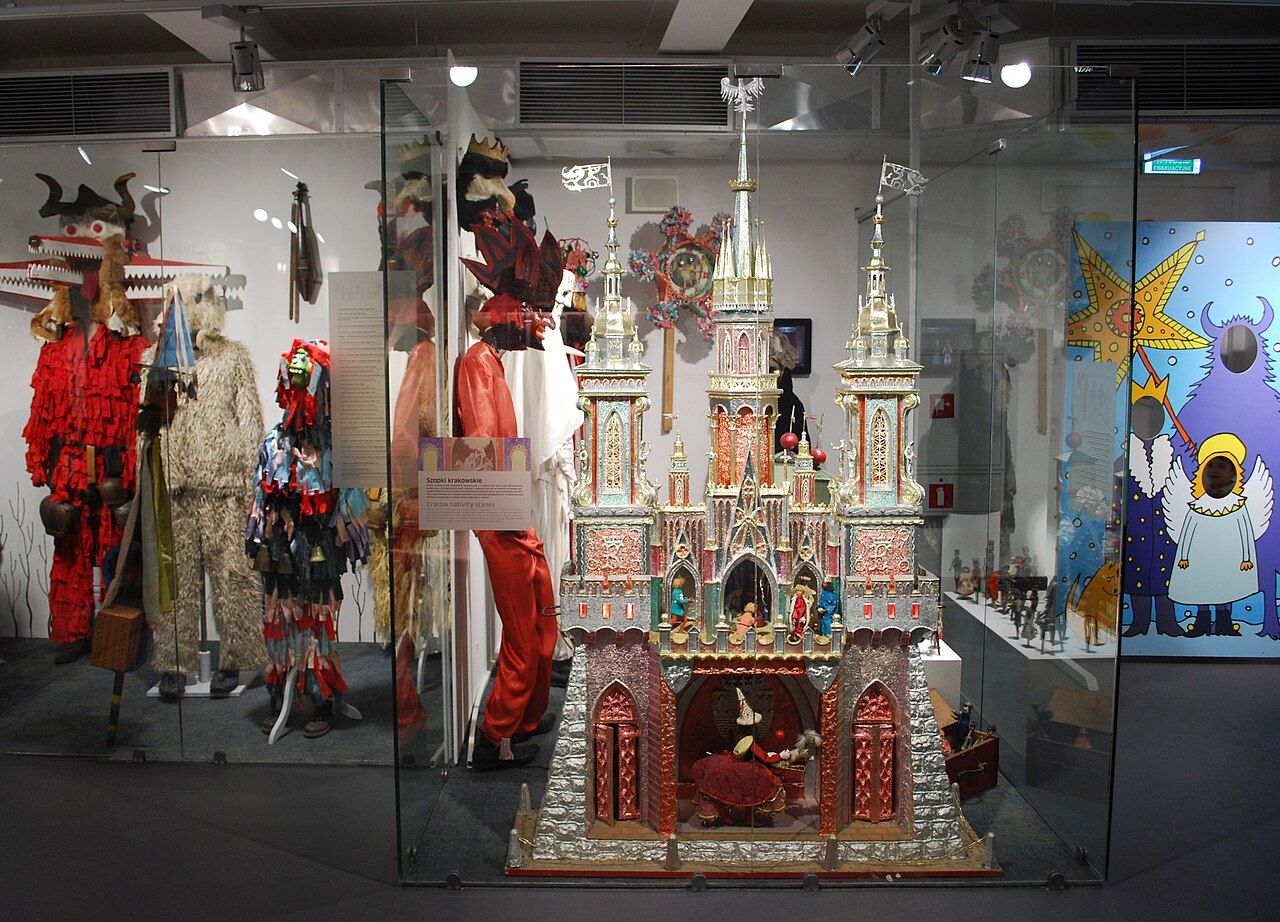
It is a nativity scene made as a many-towered model of the city itself. The Holy Family is there, but so are the outlines of Kraków: the towers of St Mary’s Basilica and the domes of Wawel are among the motifs makers copy most often. The result holds two kinds of image together, the sacred scene and the familiar city.
The materials are simple to name: cardboard, wood and coloured tinfoil. Many szopki are lit from inside. I find the contrast stays with me: everyday materials shaping a miniature skyline, with light held inside it. A szopka is not only a place for the nativity scene; it is also a way of making the city recognisable in another form.
Why does the city appear in the crib?
The towers and domes are not just decoration added around the Holy Family. They make Kraków part of the scene. St Mary’s Basilica and Wawel are repeated because their forms belong to the city’s architectural imagination, and in a szopka they become part of the structure that frames the nativity.
Some szopki set figures from Kraków legends beside the Holy Family, among them the hobby-horse rider of June and the Wawel Dragon, whose story also leads to the cave of the dragon. These figures let the crib hold more than one strand of the city’s stories. The towers are architecture; the figures bring legends into the same small world.

When does the contest open, and what is shown?
- The contest opens on the first Thursday of December.
- Makers set their szopki on the steps of the Mickiewicz Monument.
- The city history museum organises the contest and later shows the prize-winning szopki in an exhibition.
- Categories range from tiny miniatures to szopki more than two metres tall. Children and young people compete in their own categories.
These are useful bearings for a tradition with both a public gathering and an exhibition afterwards. The range in size matters: the same craft can take the form of a miniature or a model more than two metres tall. I like that the categories include children and young people; the contest makes room for makers at different stages of life.
Who made szopki before the contest?
In the 19th century, many were made by masons and builders from Zwierzyniec and Krowodrza. They worked on them during the winter months, when building work stopped. The connection feels especially close: people who built in the city turned its buildings into models, using a pause in one kind of making for another.
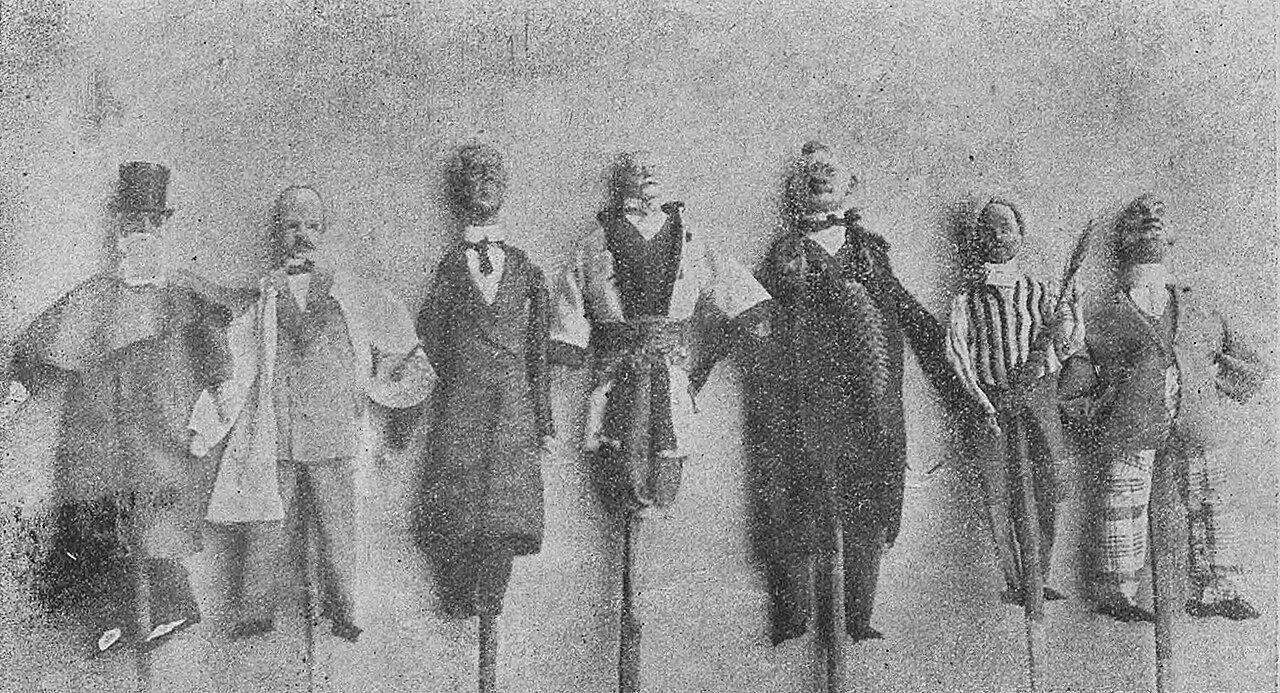
Boys once carried szopki from house to house at Christmas and staged puppet plays inside them. The model was not only something to look at; it could hold a performance. I keep returning to that change of scale, from a city’s towers made small to a little stage made within them. The craft carried both architecture and play.
How did a winter craft become a city contest?
The first Kraków szopka contest was held in December 1937 and organised by Jerzy Dobrzycki. The contest continues every December, with its opening on the steps of the Mickiewicz Monument and an exhibition of prize-winning work afterwards. It gives a public shape to a craft that had already belonged to winter: first made by builders when their other work stopped, and once carried from house to house at Christmas.
The city is not merely the setting for the crib; it becomes its material.
The city is not merely the setting for the crib; it becomes its material.
What does the tradition hold together?
For me, the appeal lies in the way the szopka gathers different things without smoothing away their differences. Cardboard, wood and coloured tinfoil make the towers; lights shine from inside many of them. The Holy Family stands beside figures from Kraków legends. A miniature city becomes a place for a nativity and for stories that belong to Kraków.
There is also a long movement between making and showing. In the 19th century, masons and builders made szopki in winter. Boys carried them from house to house and staged puppet plays. Now the contest offers categories for tiny works, tall works, children and young people, with prize-winning szopki shown in an exhibition. The forms change in scale, but the city remains legible in them.
In 2018 the szopka tradition of Kraków was inscribed on UNESCO's roll of humanity's living traditions. I understand the recognition through the objects themselves: a local skyline rebuilt in humble materials, and a Christmas scene that carries both city architecture and its legends.
What stays with me about the szopka?
It is a model with more than one life: a crib, a cityscape, and once a setting for puppet plays. The tinfoil catches the idea of a tower in a material far removed from stone, while the shapes keep the city present. I find that combination quietly moving, and it is the part I take away.
More from Old Town and beyond
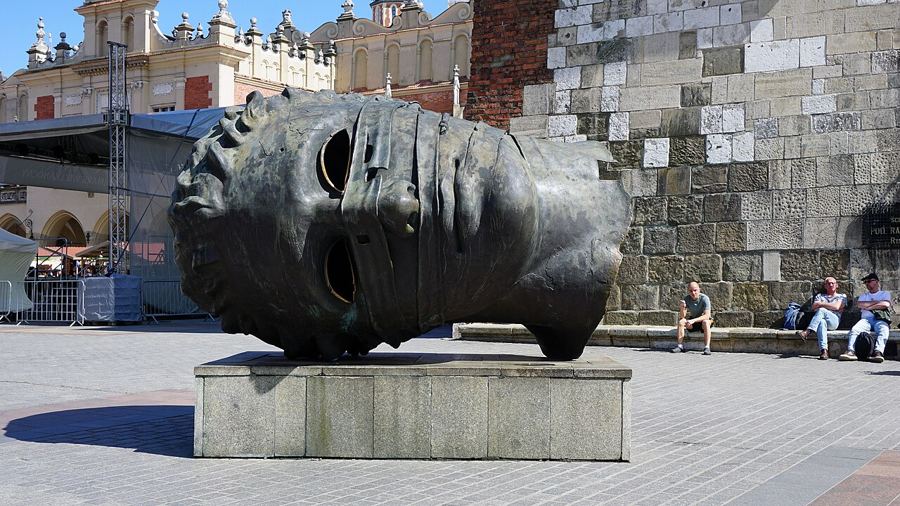 The Main SquareHow was Rynek Główny measured out in 1257?
 The Main SquareThe Sukiennice: two lives under one roofThe Main SquareBeneath the square: the Rynek Underground
 The Main SquareThe tower that lost its town hall
 Churches and the bugleWhat happened to Veit Stoss’s altar at St Mary’s Basilica?
 Churches and the bugleThe trumpet call that stops mid-note
Photographs used: Igor123121 — Creative Commons BY-SA 4.0; Jakub Hałun — Creative Commons BY-SA 4.0; Lestat (Jan Mehlich) — Creative Commons BY-SA 3.0; Mielon — Creative Commons BY-SA 3.0; Mark Healey from Brough, UK — Creative Commons BY-SA 2.0