- Period
- 16th-19th century
- Distance
- on the Rynek itself
The Sukiennice: two lives under one roof
A hall that began with cloth stalls was rebuilt, given arcades and made home to art galleries above its market rows.
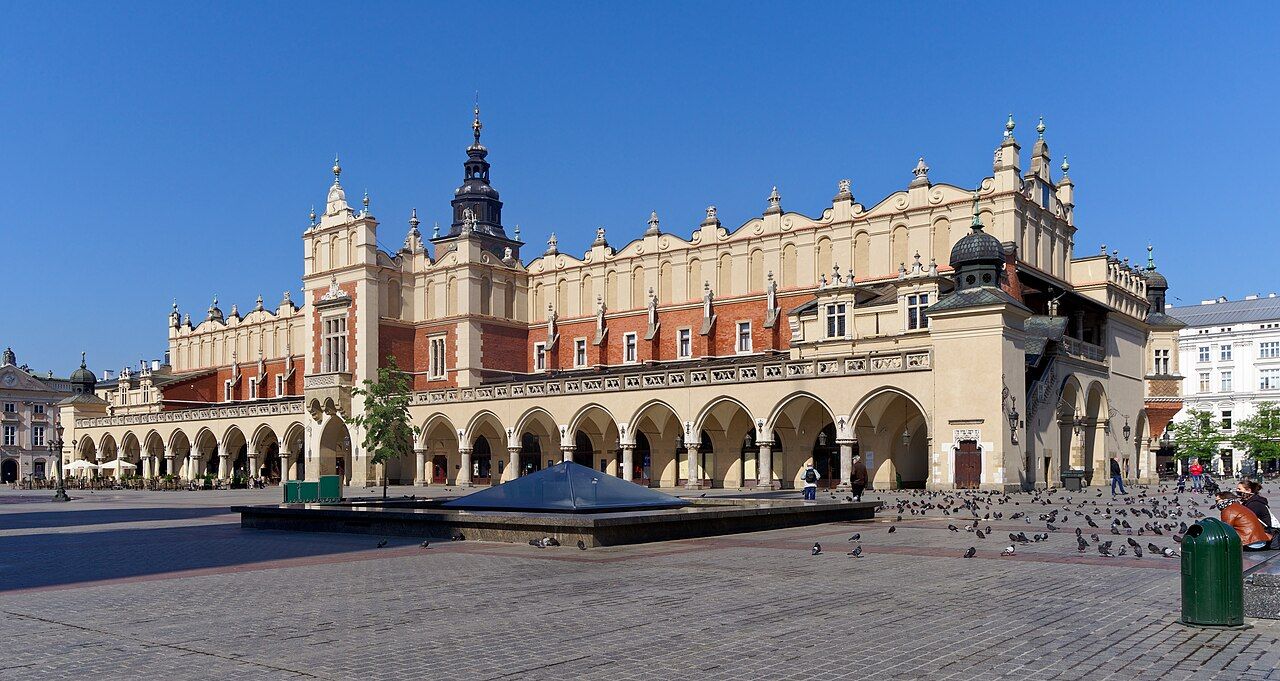
In the middle of the market square, the Sukiennice holds two lives in one building. Rows of market stalls remain on the ground floor; above them is the Gallery of 19th-Century Polish Art. I find myself looking at the hall as both a place of trade and a home for art, not one story replacing the other.
What did the Sukiennice begin as?
In the 13th century, it began as a double row of cloth stalls in the middle of the market square. That beginning stays legible in the name Cloth Hall, and in the market rows that still occupy the ground floor. The hall has taken on other forms, but the simple arrangement of stalls remains part of its life.
I think of the market beneath the paving alongside this hall, as another way of reading the market square.
How did it take on its Renaissance form?
After a fire in 1555, the Cloth Hall was rebuilt in Renaissance style under Giovanni Maria Padovano. The carved mascarons on the parapet are attributed to the sculptor Santi Gucci. Even in a brief account, those details give the building more than one hand and one moment: a rebuilding after fire, and carved faces set above the hall.
The long sides took on another character later. Tomasz Pryliński added the neo-Gothic arcades between 1875 and 1879. I follow the building through these changes as a sequence of additions, rather than as a single finished design. Its long history is held together by the parts that were retained and the parts that were added.
What remains on each floor?
The two floors make the Sukiennice’s double life plain:
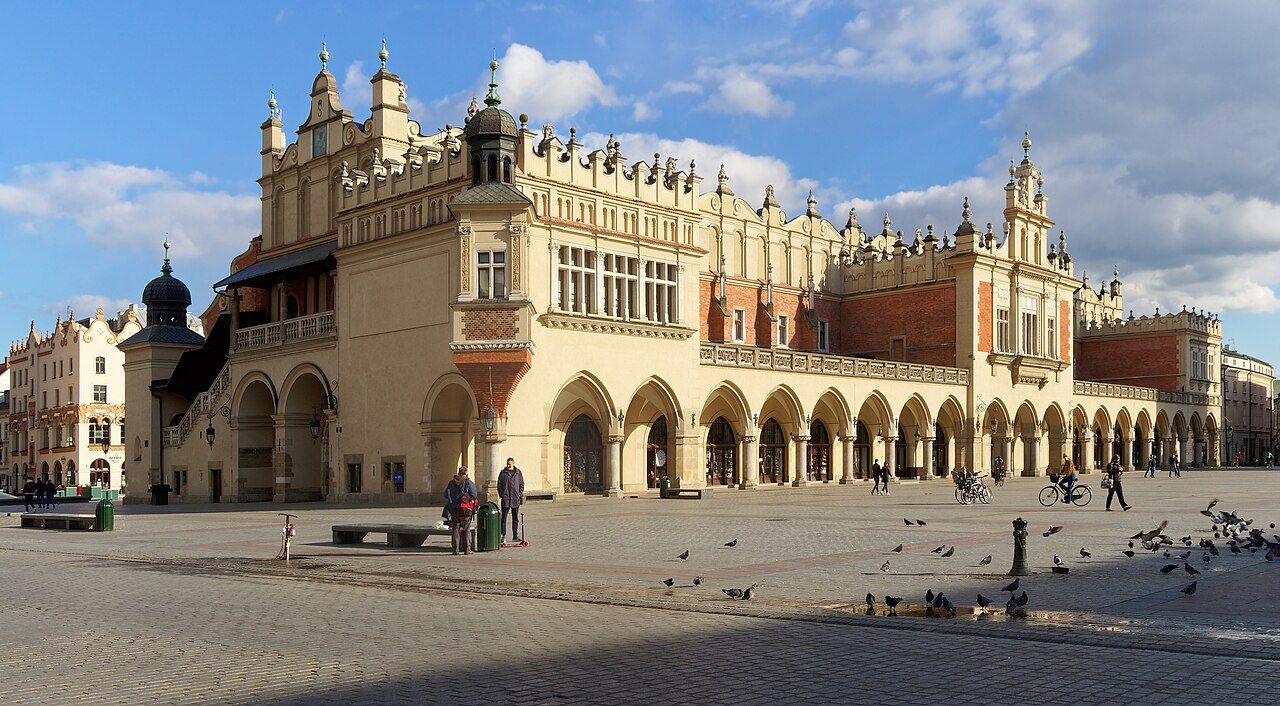
- The ground floor still holds rows of market stalls.
- The upper floor holds the Gallery of 19th-Century Polish Art.
I keep returning to that arrangement. Trade is not merely an early chapter, safely shut away in the past; rows of stalls remain below the gallery. The art upstairs gives the same building another purpose, without erasing the one that came before.
How did the gallery begin?
The National Museum in Kraków was founded in 1879 and opened its first galleries on the upper floor of the Sukiennice. Henryk Siemiradzki gave his large canvas Nero's Torches to the new museum in 1879. Jan Matejko's painting Prussian Homage hangs in the Sukiennice gallery.
These facts give the upper floor its own story: the founding of a museum, its first galleries, and works that belong to the collection’s history. I notice how different this is from the first account of the hall, with its double row of cloth stalls, while the building itself makes room for both.
What else hangs in the passage?
A knife hangs in the Cloth Hall passage, tied by legend to the two brothers who built the towers of St Mary's. It is a small detail beside the broad account of fire, rebuilding, arcades and art galleries. Still, it belongs to the passage and to the layers of stories gathered inside the hall.
When I think of the Sukiennice, I return to its two floors: the gallery above, and the market stalls below. The building’s uses have changed, and some have stayed. Rows of stalls still hold their place on the ground floor.
More from Old Town and beyond
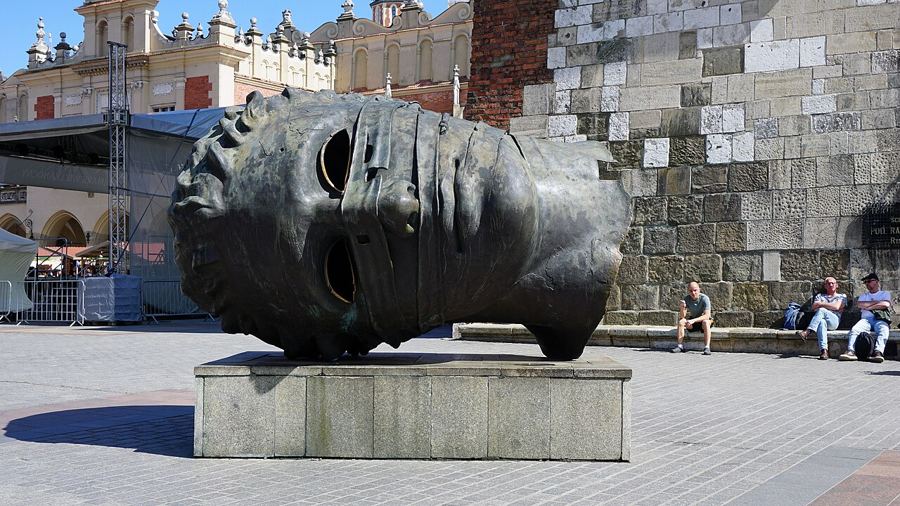 The Main SquareHow was Rynek Główny measured out in 1257?The Main SquareBeneath the square: the Rynek Underground
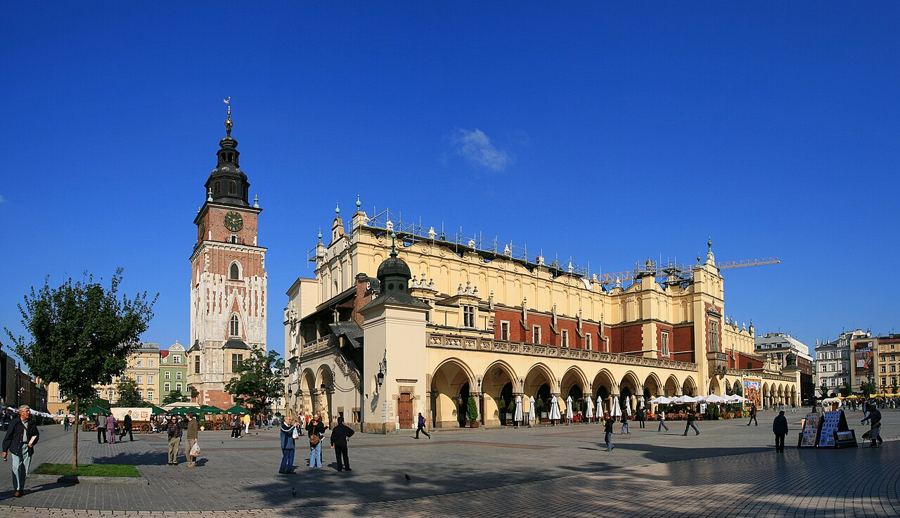 The Main SquareThe tower that lost its town hall
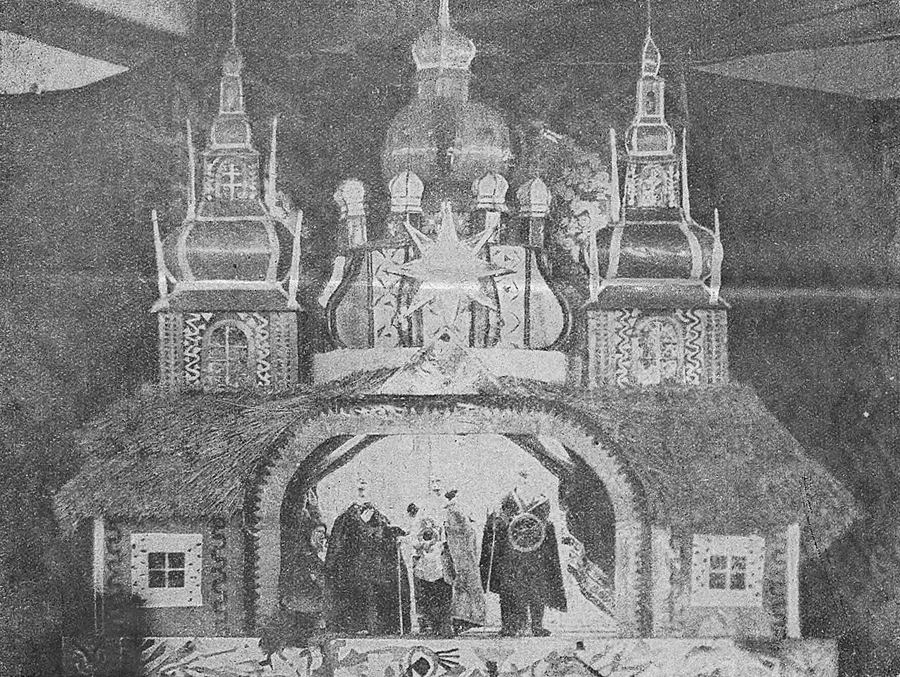 The Main SquareTinfoil cathedrals: how Kraków makes a szopka
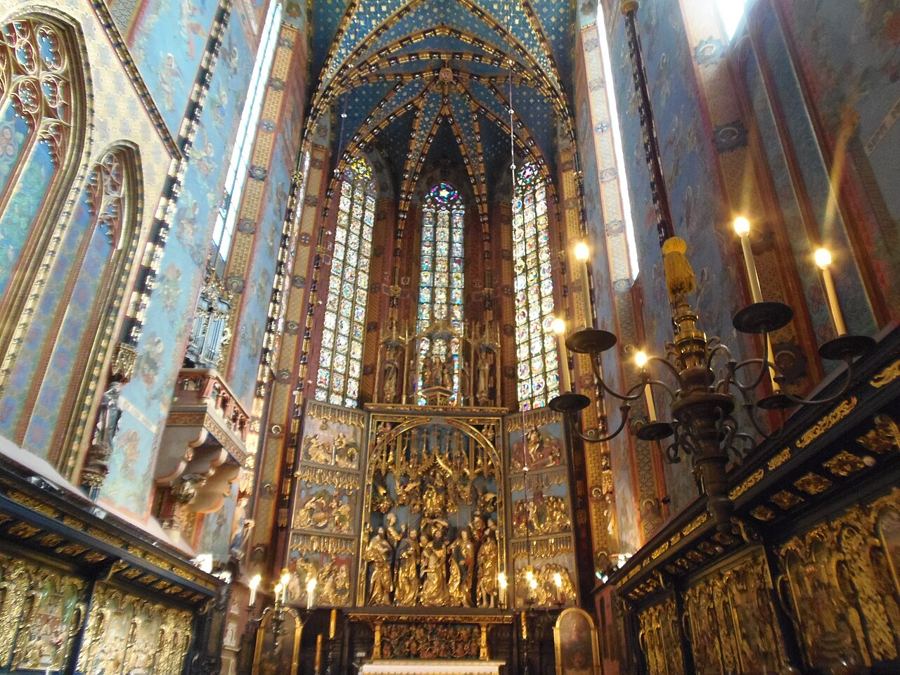 Churches and the bugleWhat happened to Veit Stoss’s altar at St Mary’s Basilica?
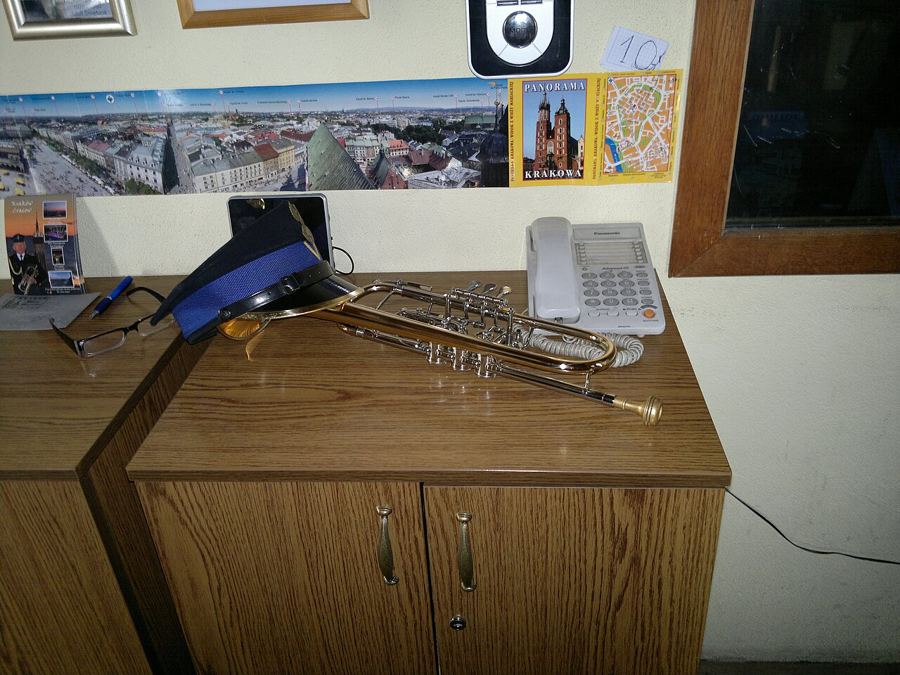 Churches and the bugleThe trumpet call that stops mid-note
Photographs used: Igor123121 — Creative Commons BY-SA 4.0; Lestat (Jan Mehlich) — Creative Commons BY-SA 3.0; unknown — public domain the file; Mielon — Creative Commons BY-SA 3.0; Mark Healey from Brough, UK — Creative Commons BY-SA 2.0
