- Period
- 15th century
- Distance
- 10 min from the Rynek
From the Barbican down Floriańska Street
A measured entrance into the city: from the Barbican and Florian Gate along Floriańska Street, tracing the opening stretch of the Royal Route.
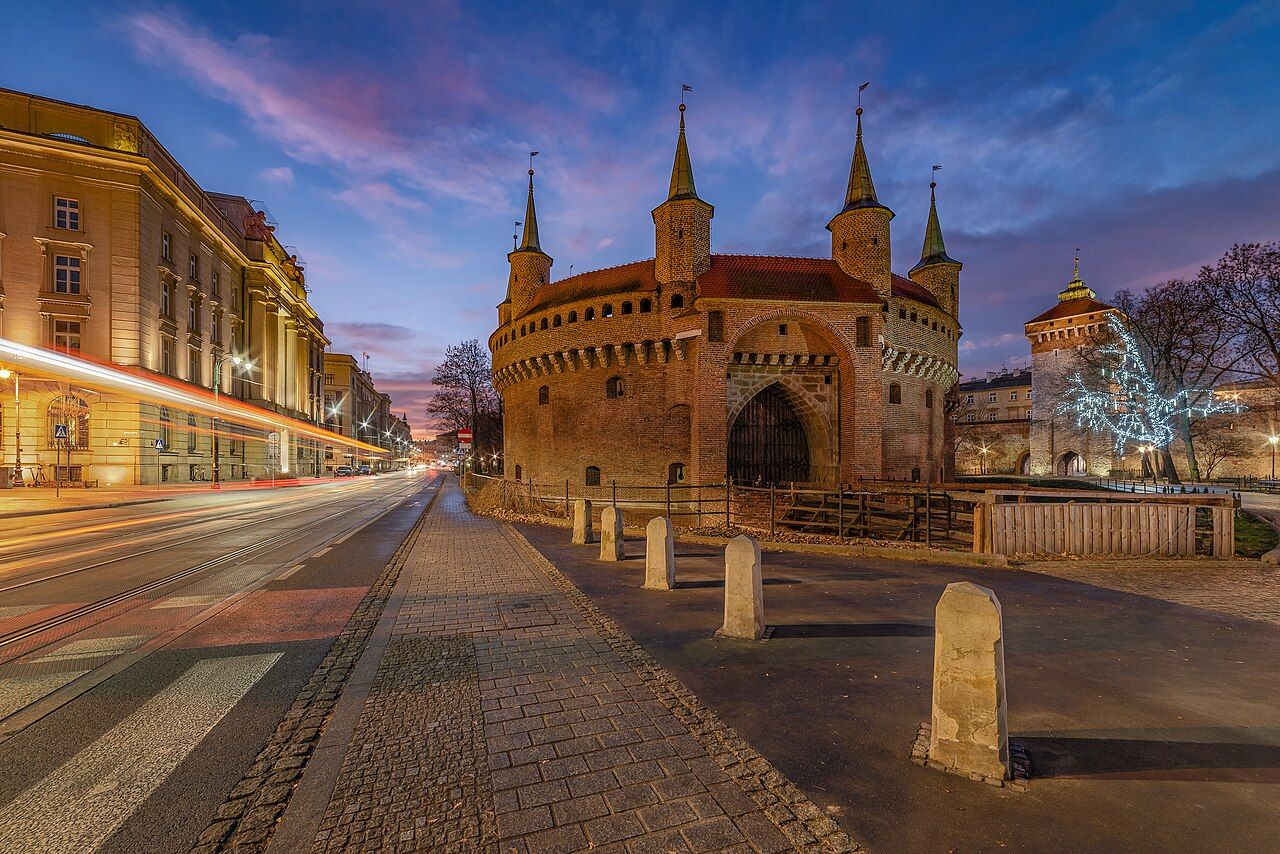
I begin at the Barbican, with the Florian Gate just beyond it. The two belong to the surviving northern defences, and their order makes the route easy to follow: first the round bastion, then the gate, then Floriańska Street leading towards the Rynek Główny. It is a way into the city that carries a longer procession in its line.
How do I start at the Barbican?
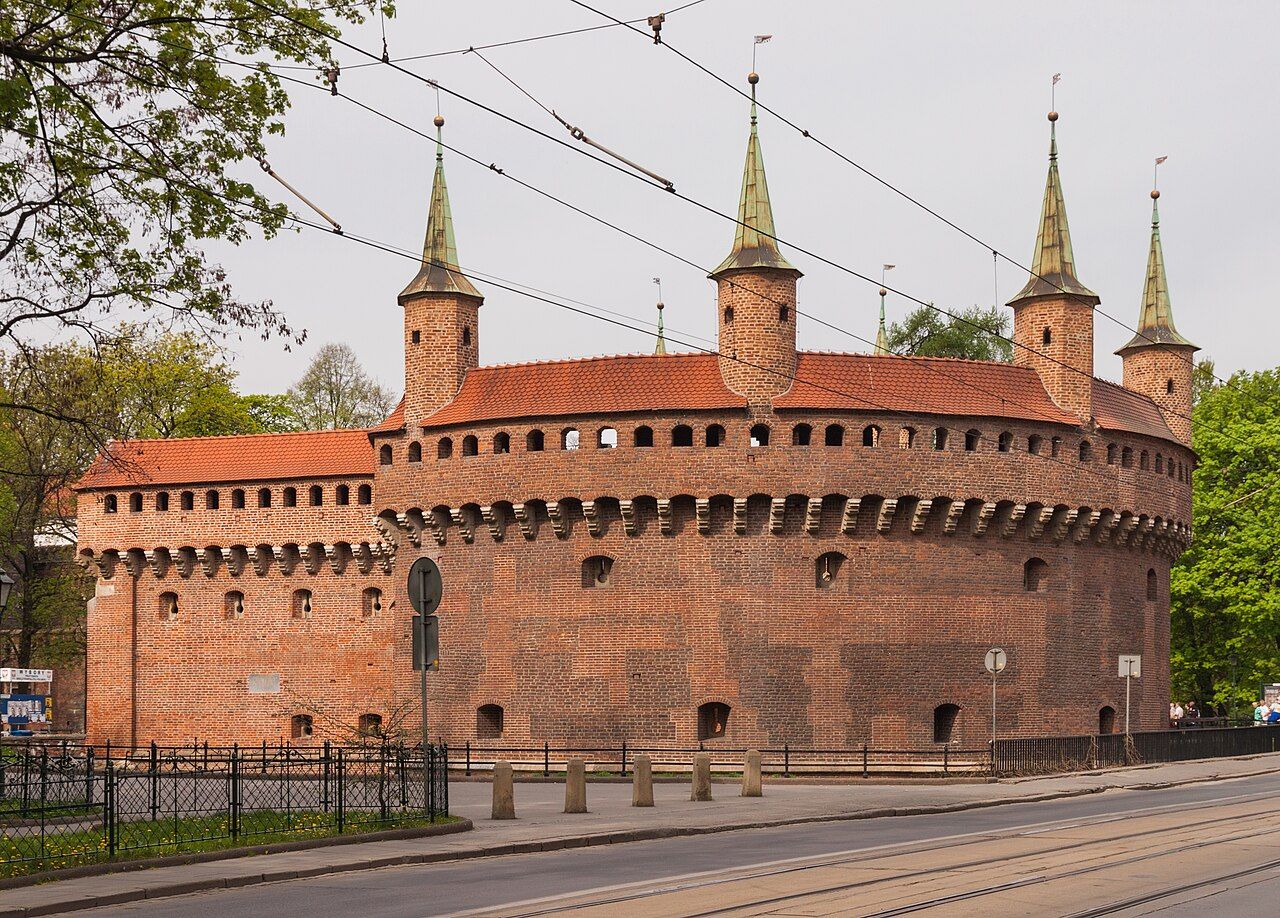
Begin with the Barbican in front of the Florian Gate. It was built in 1498 and 1499, a round brick bastion about 24 metres across, with walls about 3 metres thick. The measurements are large enough to give the building a firm presence before the street begins. I find myself looking from its curved outline towards the gate, following the same short approach that once joined the two parts of the defence.
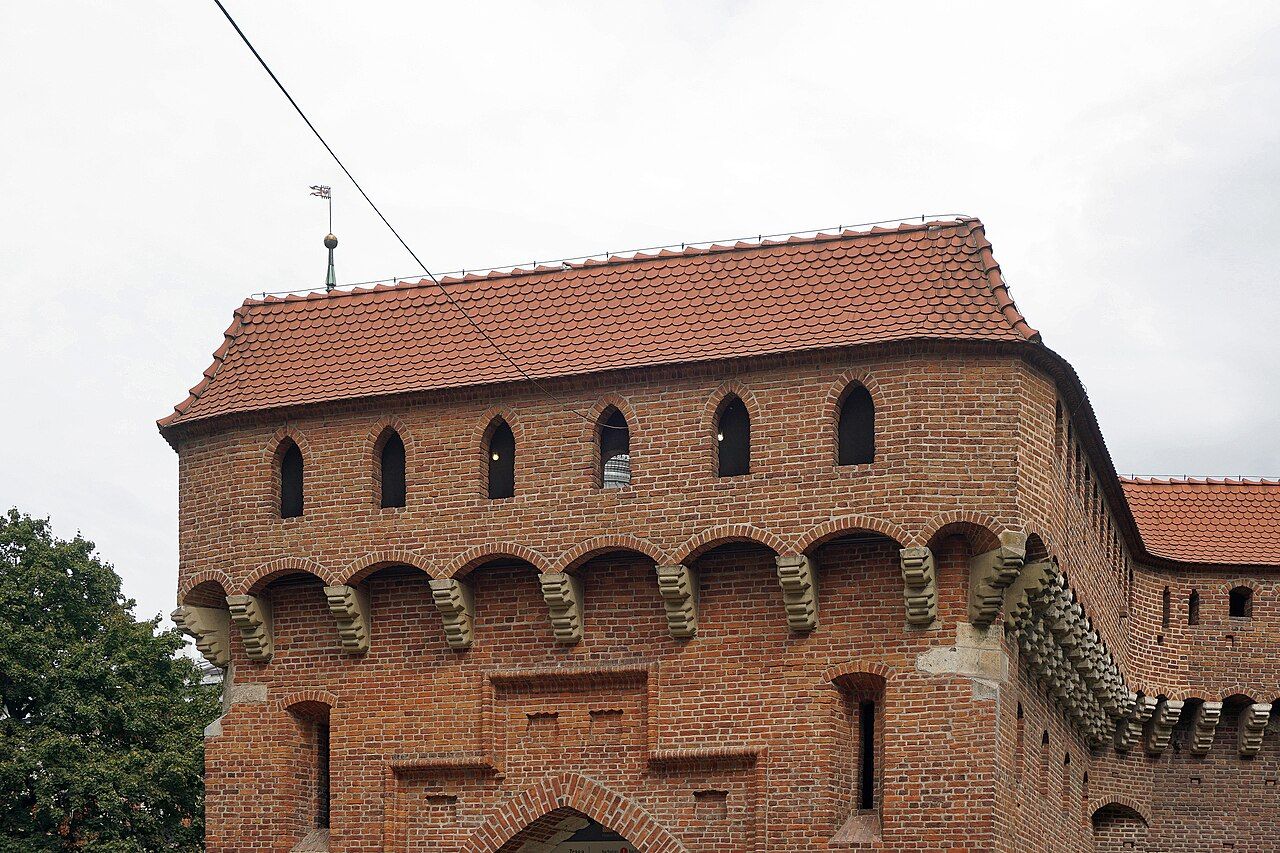
Take in the details that give the Barbican its particular shape. It has about 130 loopholes and seven small turrets. A covered passage once crossed the moat to join it to the Florian Gate. That passage is no longer here, but knowing it belonged to this short interval changes the way I read the space: the Barbican was not a separate stop, but part of an entrance sequence, with the gate waiting beyond.
The route begins with a piece built to stand before the gate.
The route begins with a piece built to stand before the gate.
Continue towards the Florian Gate. The gate appears in records from the early 14th century and reaches about 33 metres in height. It marks the point where the old defences give way to Floriańska Street. I pause at that change in direction. Behind it is the Barbican; ahead, the street leads towards the square. The movement from one to the other is direct, though the centuries between the gate’s first record and the Barbican’s construction sit close together in the same view.
Look along the wall that remains around the Florian Gate. Most of the city walls were pulled down in the early 19th century under Austrian rule. Professor Feliks Radwański argued successfully for keeping this stretch. It includes the Haberdashers', Carpenters' and Joiners' Towers. The surviving length makes the old boundary easier to picture than a name on a plan could. From here, the green ring where the walls stood offers another way to hold that former line in mind: the green ring where the walls stood.
Follow the inside of the old wall by the gate, where painters hang their work for sale. The wall is not only a trace of the city’s defences; it is also a place where work is displayed now. I like the small shift in attention this creates. One moment the eye follows the old masonry and its towers; the next it rests on the pictures set along it. The route keeps its history in view without asking the street to be only a monument.
How does Floriańska lead into the Royal Route?
Pass through the Florian Gate and take Floriańska Street towards the Rynek Główny. The street runs from the gate to the square, making this the first leg of the Royal Route. I follow that simple line with the old ceremonial purpose in mind. The route of coronation and state processions ran from the Florian Gate along Floriańska, across the Rynek and down Grodzka to Wawel. A street can feel ordinary underfoot and still carry the shape of a state procession in its direction.
As you move along Floriańska, notice the house at number 41. Jan Matejko was born and died there; it is now a museum of his life. I keep this detail alongside the larger procession route rather than treating it as a detour from the story. Floriańska holds both scales at once: a single house with a life attached to it, and a street used for coronation and state processions on their way towards Wawel.
Reach the Rynek Główny, then follow the Royal Route across the square and down Grodzka towards Wawel. The walk from the gate to the square is only its opening stretch, but the larger route helps explain why this entrance matters. It joins the northern defences to the centre and then carries on towards the hill. I find the sequence most affecting when I keep it in order: bastion, gate, street, square, and the continuation beyond.
I like this route for the way its surviving pieces keep the old entrance legible.
More from Old Town and beyond
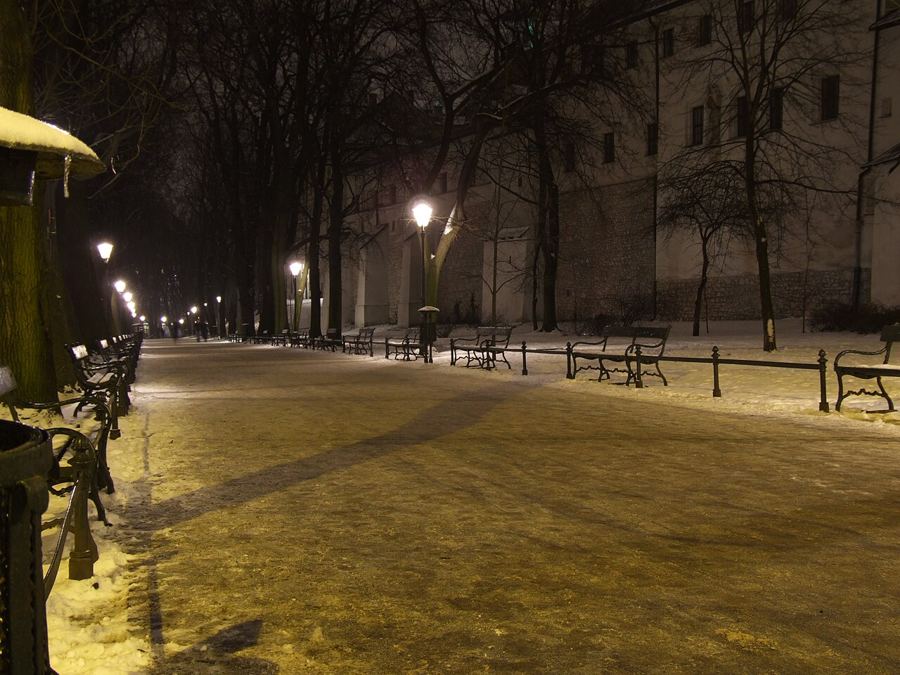 Gates, Planty and collegesThe Planty: where the old defence became a promenade
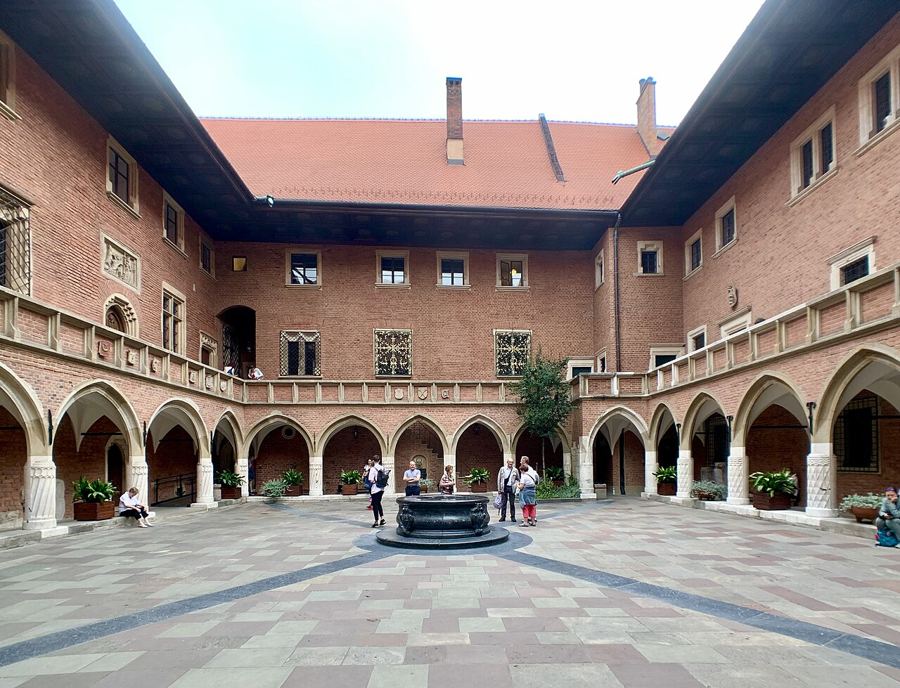 Gates, Planty and collegesCollegium Maius: a medieval college you can walk through
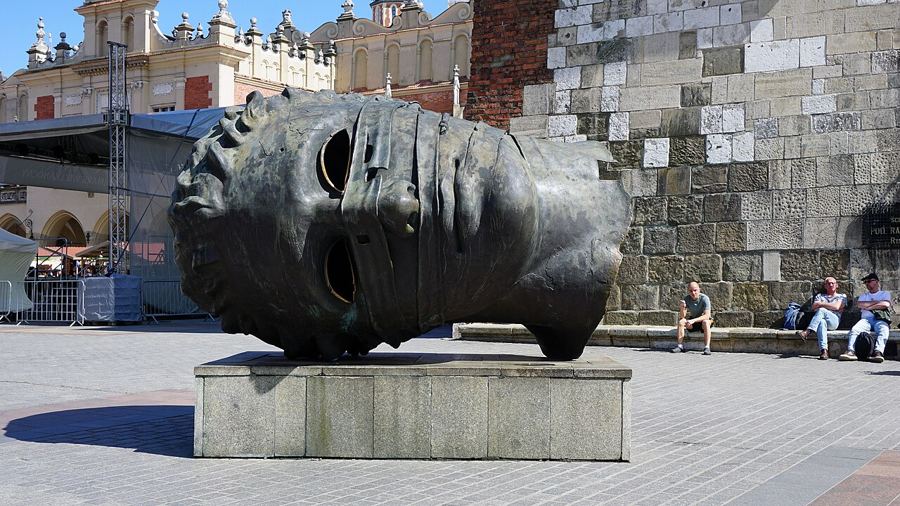 The Main SquareHow was Rynek Główny measured out in 1257?
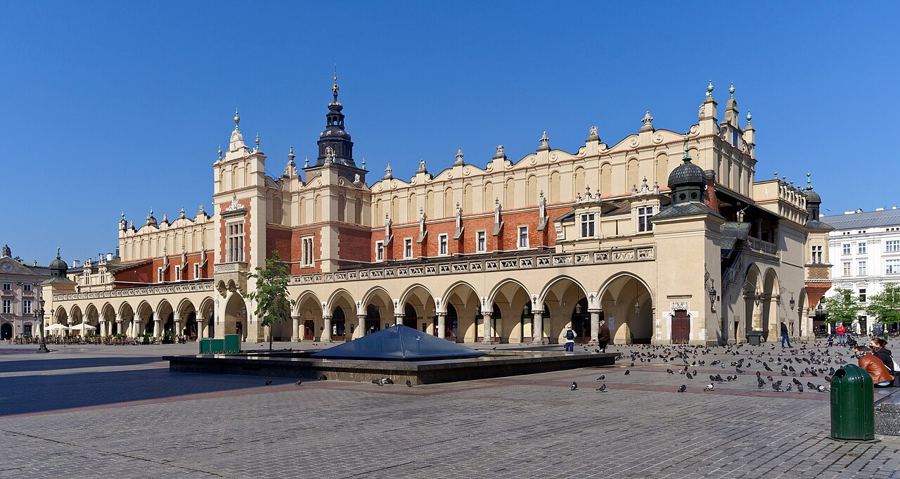 The Main SquareThe Sukiennice: two lives under one roofThe Main SquareBeneath the square: the Rynek Underground
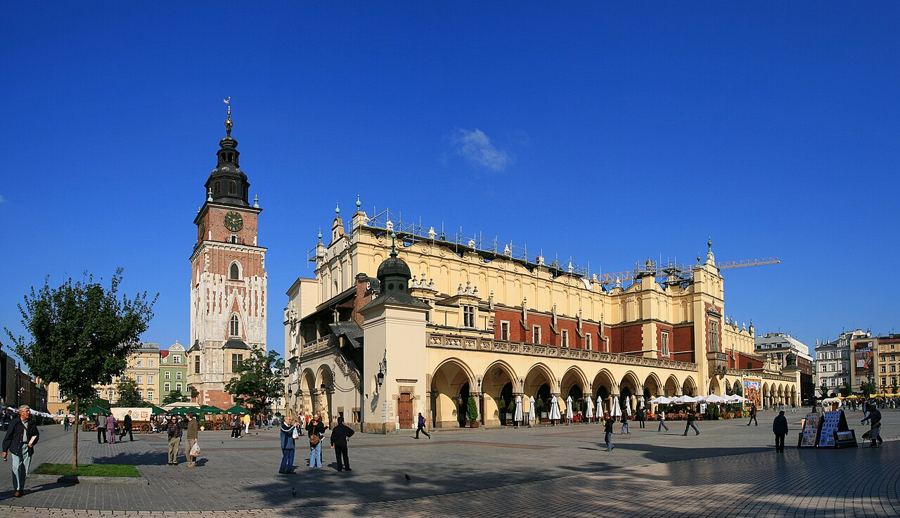 The Main SquareThe tower that lost its town hall
Photographs used: Pudelek (Marcin Szala) — Creative Commons BY-SA 3.0; Chris Olszewski — Creative Commons BY-SA 4.0; Igor123121 — Creative Commons BY-SA 4.0; Jakub Hałun — Creative Commons BY-SA 4.0; Lestat (Jan Mehlich) — Creative Commons BY-SA 3.0