- Period
- 19th century
- Distance
- 5 min from the Rynek
The Planty: where the old defence became a promenade
A ring of gardens follows the line of the demolished walls, turning an old boundary into a quiet route around the Old Town.
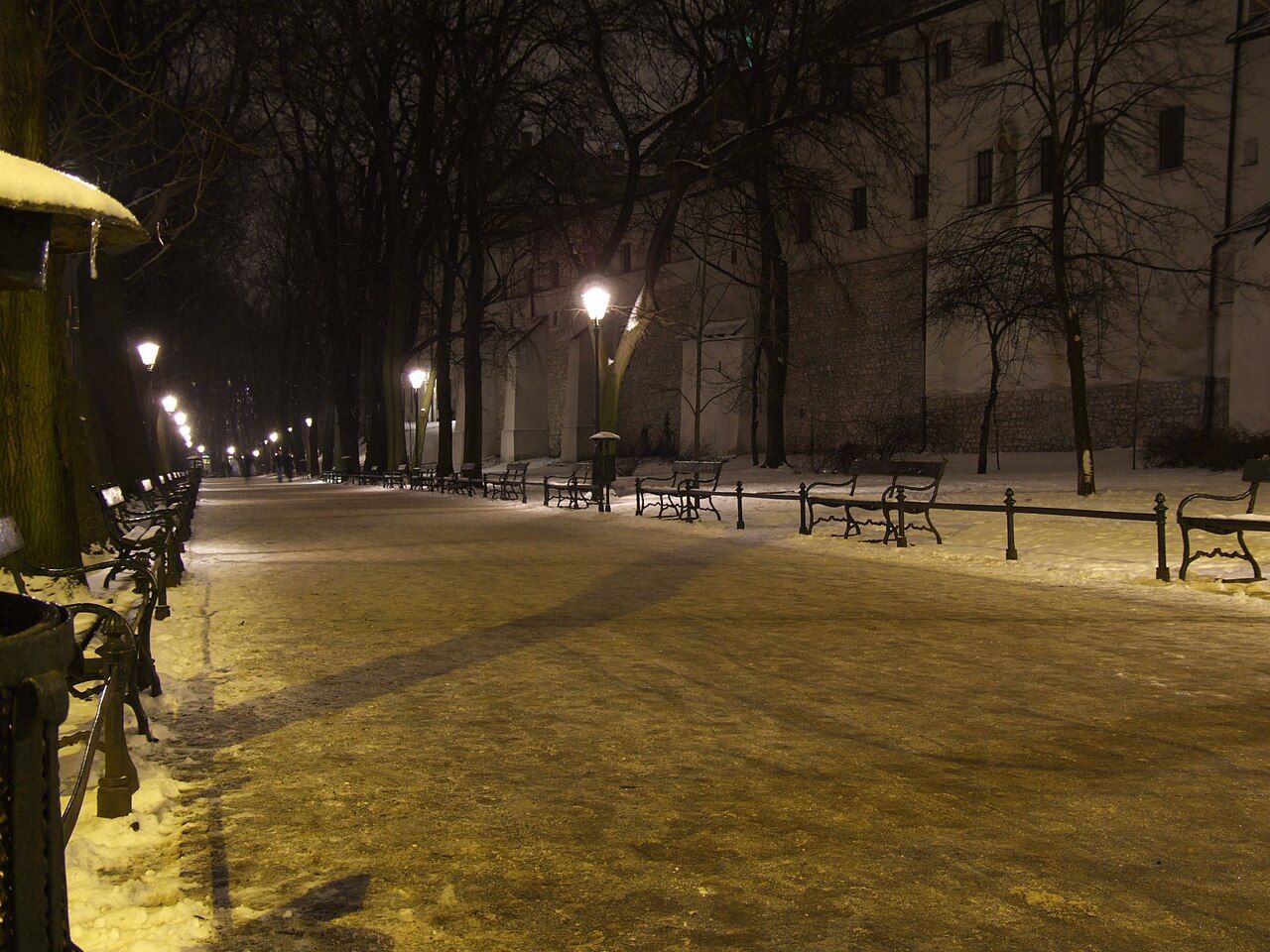
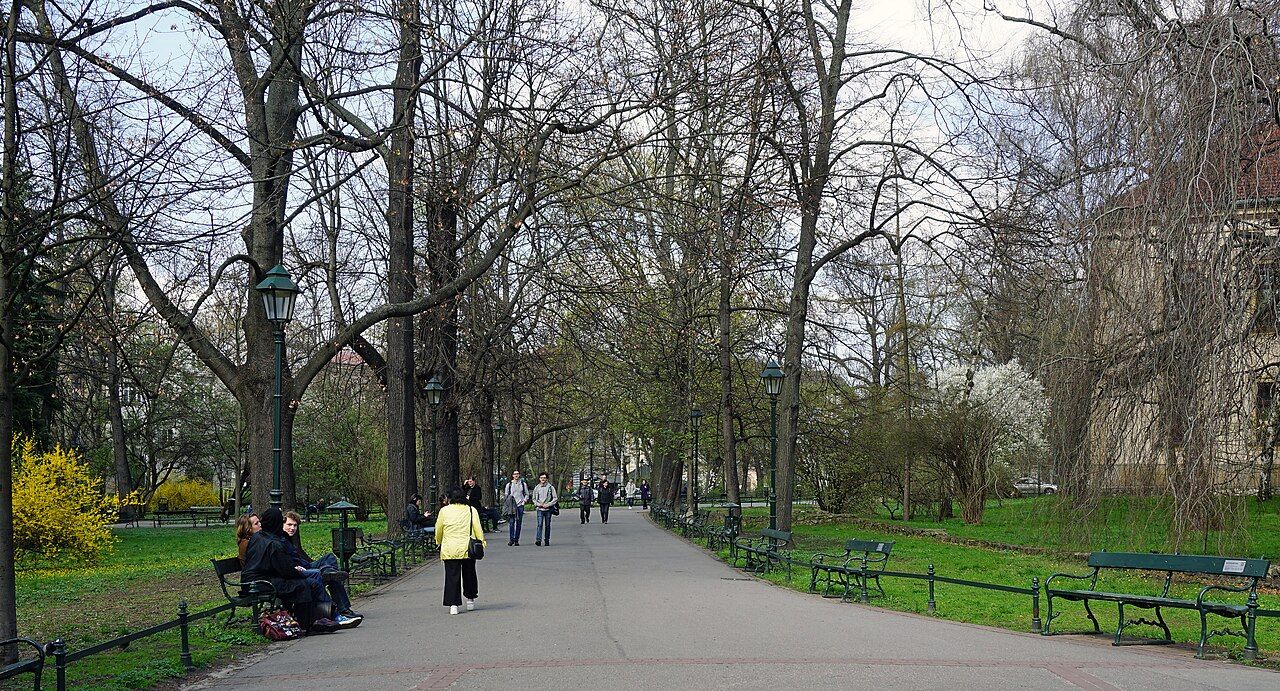
The paths circle the Old Town beneath chestnuts, limes and maples. I find the shape of the Planty easy to follow and harder to take in all at once: a green ring where the walls once marked the boundary. What began as defence is now a place to walk through, and around.
How did the walls become a park?
The park was laid out between 1822 and 1830, on ground freed by the demolition of the walls and the filling of the moat. The change is plain in the shape of the place, even when the old boundary itself is no longer there. A line made to keep people out became a route that lets them pass around the whole Old Town.
Florian Straszewski led much of the work of planting the Planty. An obelisk honouring him stands here, raised in 1874. The nearby story of the old defences comes into focus again at the round brick bastion.
What sort of park is it?
The Planty is about 4 kilometres long and covers about 21 hectares. It is not one garden with one name, but a chain of separate gardens, each with its own name. The paths and trees make the ring feel continuous, while those distinct gardens give it smaller parts to notice along the way.
A stretch runs below Wawel Hill on its northern side. Elsewhere, chestnuts, limes and maples line the paths. I like the quiet logic of following the boundary without needing to see a wall: the curve keeps its shape, but the experience of moving through it has changed.
What are the useful bearings?
- From Rynek: 5 min
- Era: 19th century
- Extent: about 4 kilometres around the Old Town
What remains to give the gardens their own character?
The Planty holds monuments as well as trees and paths. Among them is a statue of Grażyna and Litawor from Mickiewicz’s poem. The obelisk to Straszewski is another reminder that the park did not simply appear once the walls were gone; planting and shaping this ground took work, and the result still carries that history in its separate gardens.
I find myself thinking about the contrast more than the old walls themselves. A ring suggests enclosure, but the Planty feels open to movement: its paths follow a boundary without asking anyone to stop at it. The gardens are distinct, yet together they hold the same outline. That is a gentle kind of continuity. The moat was filled; the walls were demolished; the Old Town's former boundary remained legible in a different form.
The Planty is protected as part of the historic layout of the Old Town. That fact feels fitting to me. The park belongs to the shape of the place, not only to its greenery. On a walk around it, the old defence is present as an absence, and the trees make that absence feel lived in rather than empty.
Why does the ring stay with me?
I like that a boundary can become a way through.
More from Old Town and beyond
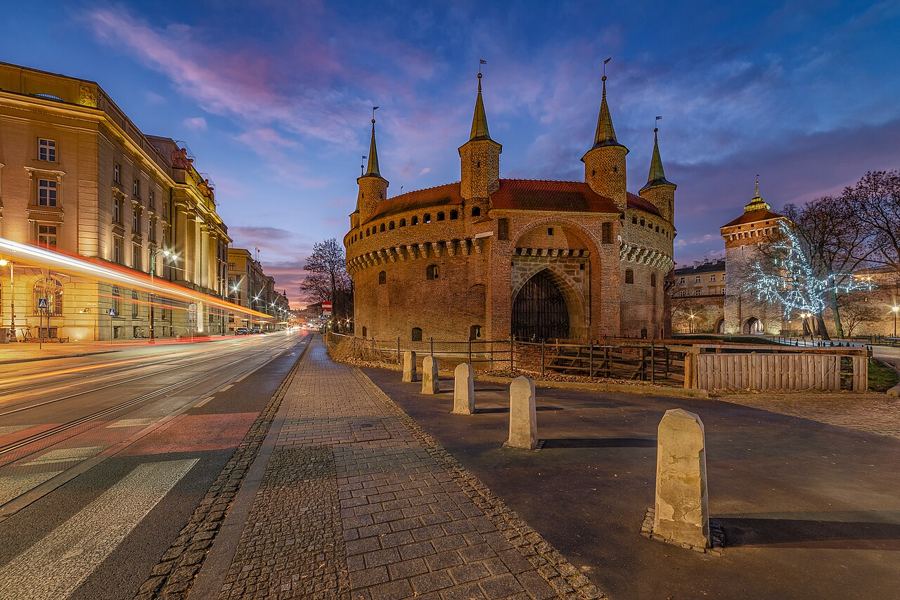 Gates, Planty and collegesFrom the Barbican down Floriańska Street
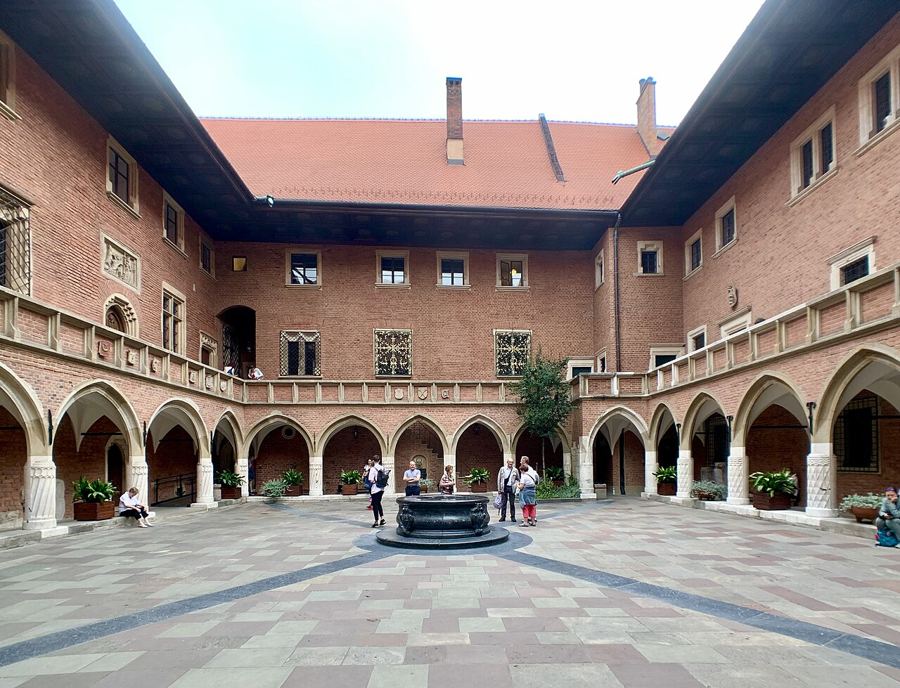 Gates, Planty and collegesCollegium Maius: a medieval college you can walk through
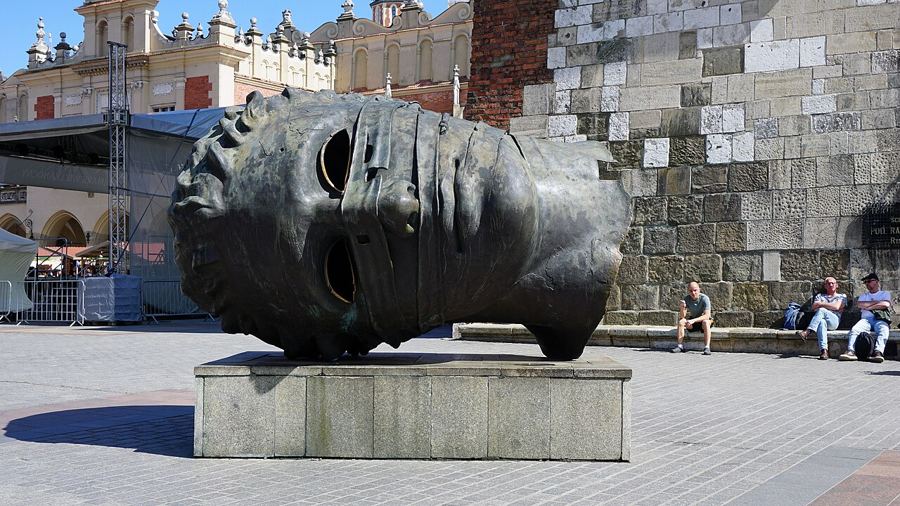 The Main SquareHow was Rynek Główny measured out in 1257?
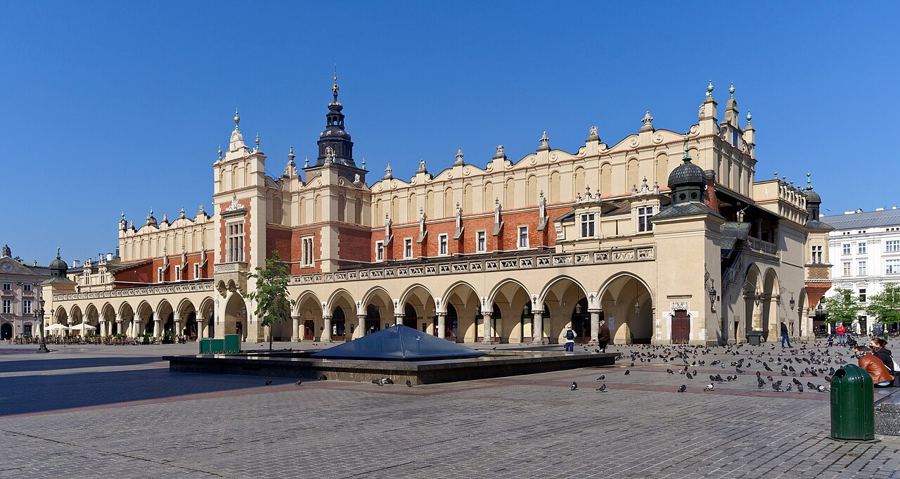 The Main SquareThe Sukiennice: two lives under one roofThe Main SquareBeneath the square: the Rynek Underground
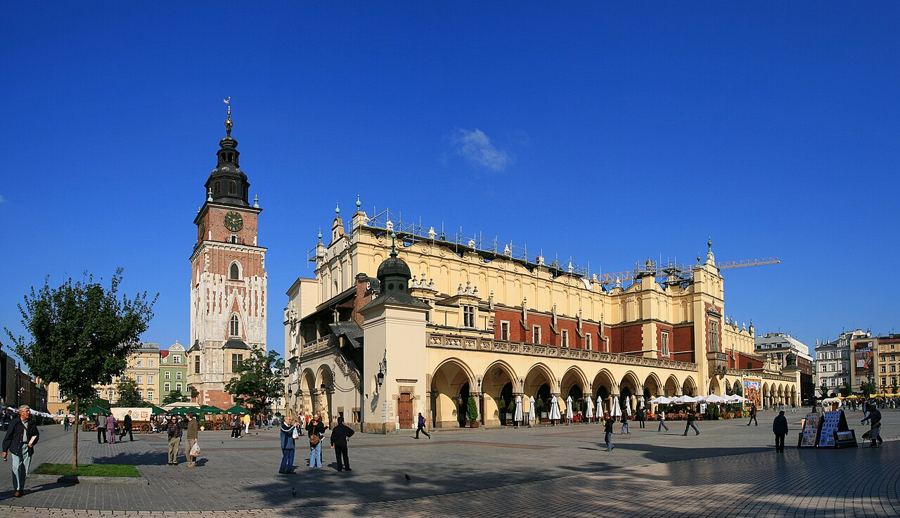 The Main SquareThe tower that lost its town hall
Photographs used: Gswito — Creative Commons BY-SA 4.0; Chris Olszewski — Creative Commons BY-SA 4.0; Igor123121 — Creative Commons BY-SA 4.0; Jakub Hałun — Creative Commons BY-SA 4.0; Lestat (Jan Mehlich) — Creative Commons BY-SA 3.0