- Period
- 14th-16th century
- Distance
- 15 min from the Rynek
Where were Polish kings crowned and buried?
A cathedral of coronations, royal tombs and later national burials, where one can follow Polish memory from a silver coffin in the nave to crypts beneath the church.
Large prehistoric bones hang on a chain by the cathedral entrance. They have long been said to be the remains of the Wawel Dragon. I begin there, with a story suspended between the known and the legendary, before following the cathedral’s more firmly recorded histories inside.
How should I follow the cathedral’s history?
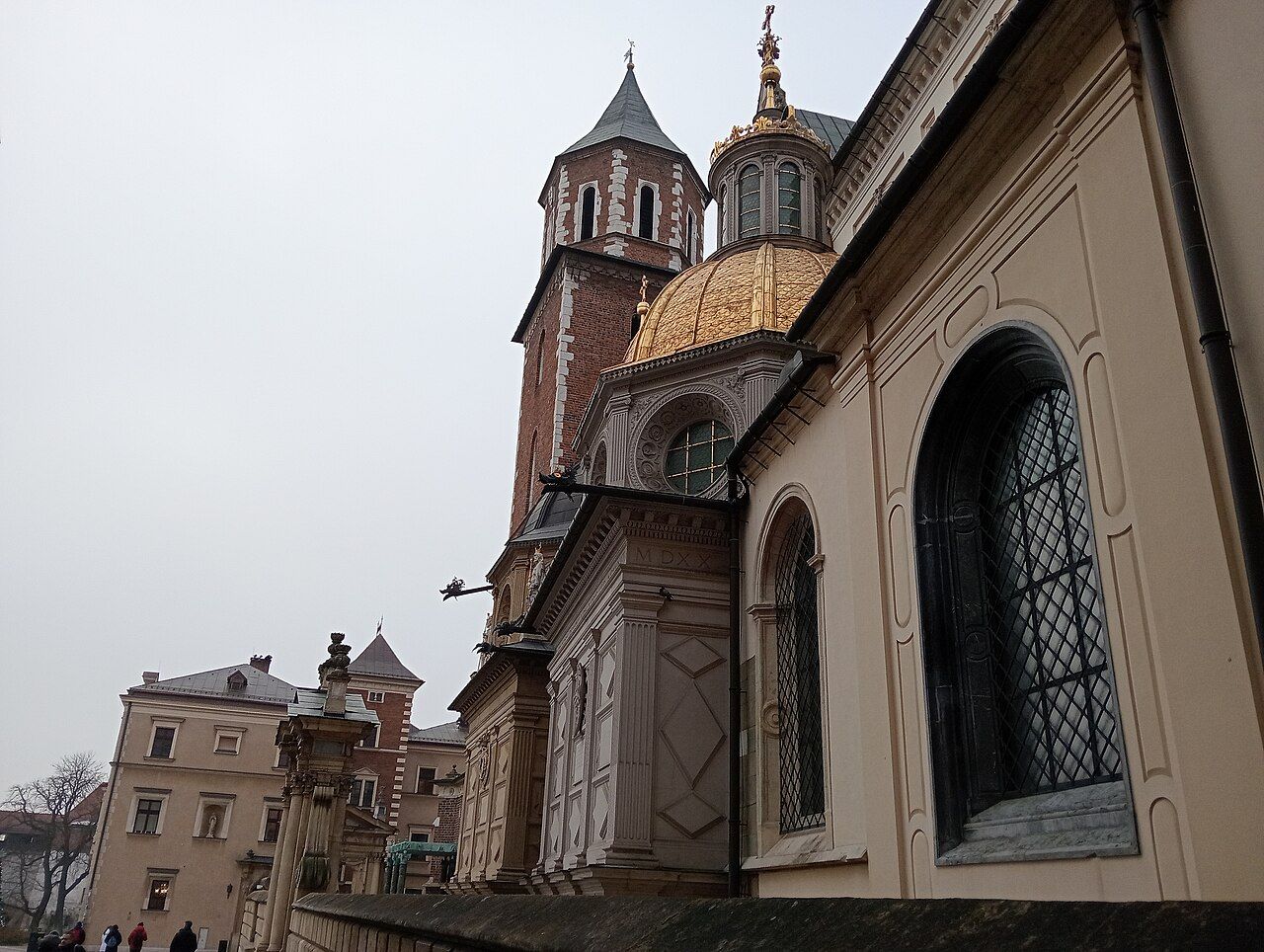
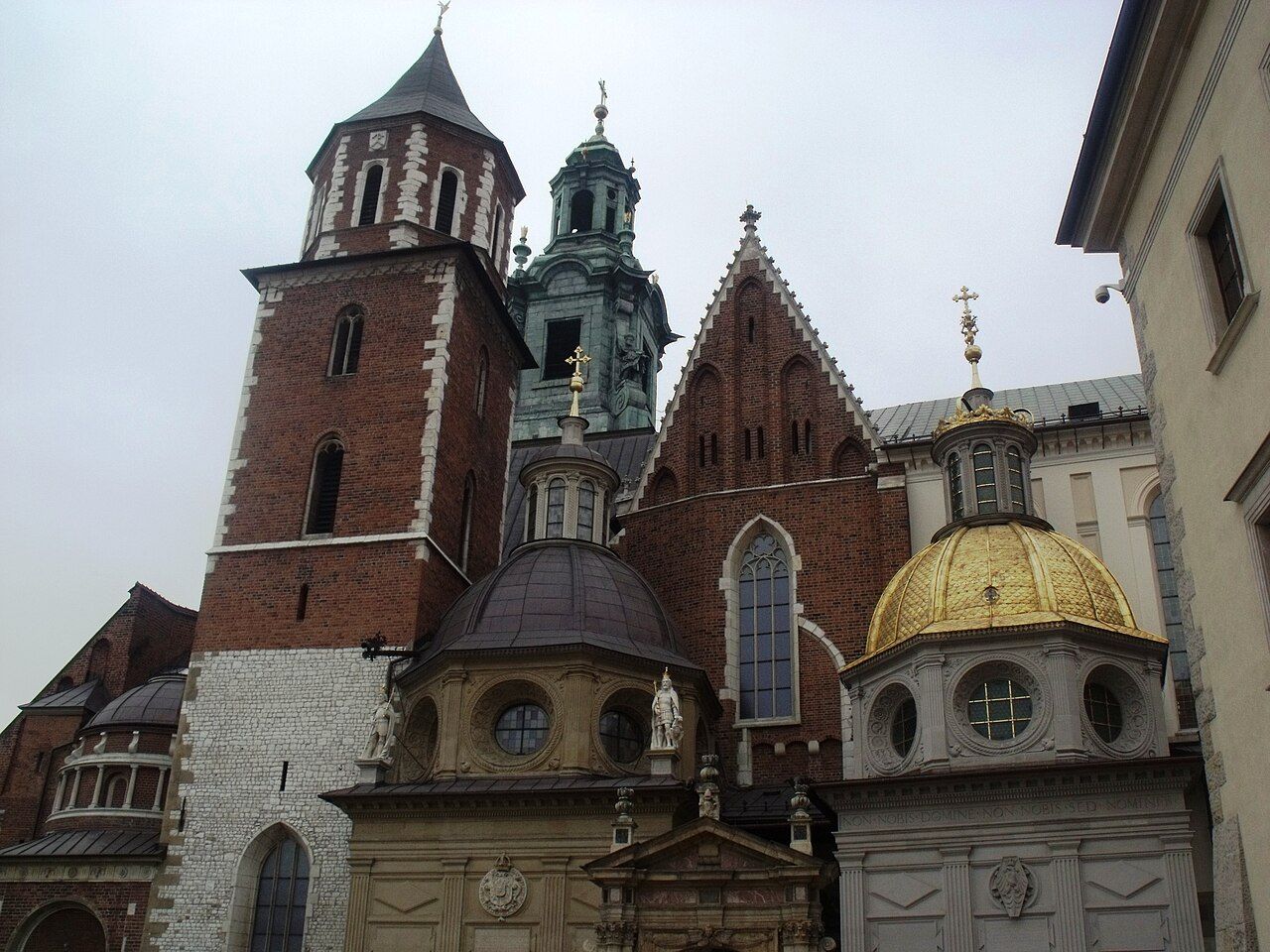
Begin with the building itself. The present Wawel Cathedral was built in Gothic style between 1320 and 1364, but it was the third church to stand on this site. That sequence matters: the cathedral one sees now belongs to a place of worship with an older history beneath it. I find that the word “third” makes the building feel less like a single beginning and more like a continuation.
Next, keep the coronations in view. Władysław the Elbow-high was the first king crowned in Wawel Cathedral, in 1320. Most Polish kings were crowned here, and many are buried here. The cathedral’s role is not difficult to understand once those two facts are held together: it marked a beginning for rulers, and became a resting place for many of them.
Pause in the middle of the nave at the silver coffin. Made in Gdańsk in the 17th century, it holds the relics of St Stanislaus. Its place in the nave makes it part of the cathedral’s central passage, rather than a distant detail in an account of the building. The relics connect this interior to the story of the bishop; that story also points towards the place of the bishop's martyrdom.
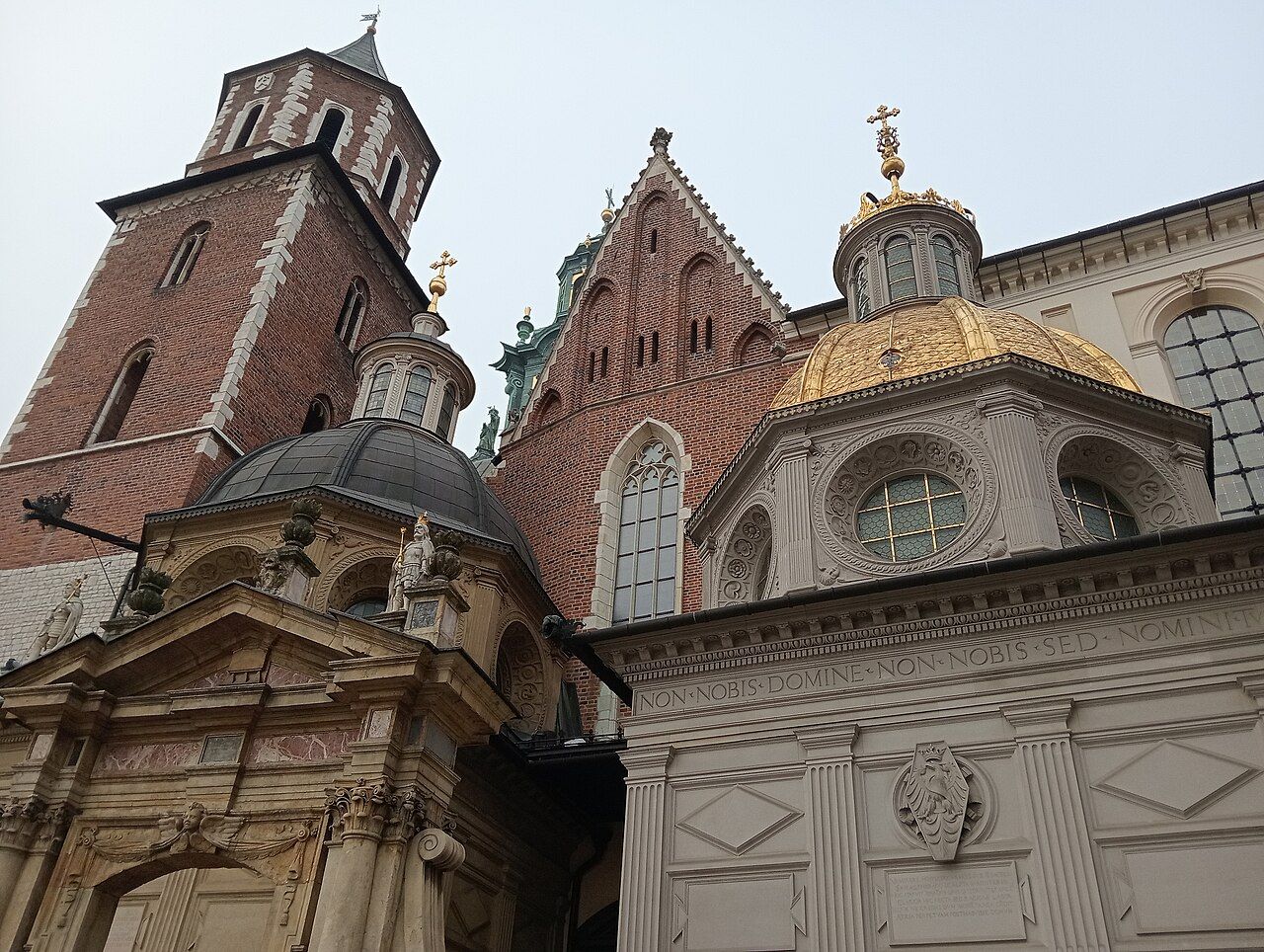
Then turn attention to the Sigismund Chapel. Bartolomeo Berrecci built it between 1519 and 1533, and its gilded dome is visible across the city. The chapel is often called the finest Renaissance building north of the Alps. I find the contrast of scale useful to remember: the cathedral carries the long story of kings and burial, while this chapel holds a particular, carefully named place within it.
What belongs in the margin?
- From Rynek: 15 min
- Era: 14th-16th century
Continue with the people laid to rest in the Poets’ Crypt. The Romantic poets Adam Mickiewicz and Juliusz Słowacki lie there, laid in the crypt in 1890 and 1927 respectively. Their presence gives the burial story a form beyond kingship. I think of the cathedral less as a row of royal names than as a place where different kinds of public memory have been gathered.
Look next to the later national burials. Józef Piłsudski was buried in a crypt beneath the cathedral’s Silver Bells Tower in 1935. President Lech Kaczyński and his wife Maria were buried in the cathedral crypts in 2010. These dates place separate moments of national remembrance within the same cathedral, without making them the same story.
Include St Leonard’s Crypt in the sequence. Karol Wojtyła celebrated his first Mass as a priest there on 2 November 1946. It is a detail of a different kind: not a coronation or a burial, but a first Mass in a crypt that also belongs to the cathedral’s history. I like the way this fact interrupts any simple division between the living and the remembered.
Finally, let the whole place remain in view. The cathedral gathers royal memory, religious relics and national burial into one place. Its Gothic building, the chapel with its gilded dome, the coffin in the nave and the crypts each hold a distinct part of that account. The story of the cathedral also reaches towards the great bell of 1520, another detail connected to Wawel’s remembered past.
The cathedral gathers royal memory, religious relics and national burial into one place.
What stays with me is how the cathedral makes these different histories share a single address. The first king crowned here, the poets laid in the Poets’ Crypt, the statesman beneath the Silver Bells Tower and the couple buried in the cathedral crypts belong to separate times. Yet the names do not have to be made into one story. The building holds them close, alongside the relics of St Stanislaus and the memory of a first Mass. Even the bones at the entrance have their place: not as proof of the Wawel Dragon, but as a reminder of how long stories attach themselves to a threshold.
I leave the account there, with the cathedral understood not only as the place where most Polish kings were crowned, but also as a national burial place.
Wawel Cathedral feels most itself as a place where a country’s memories can rest beside one another.
More from Wawel Hill and beyond
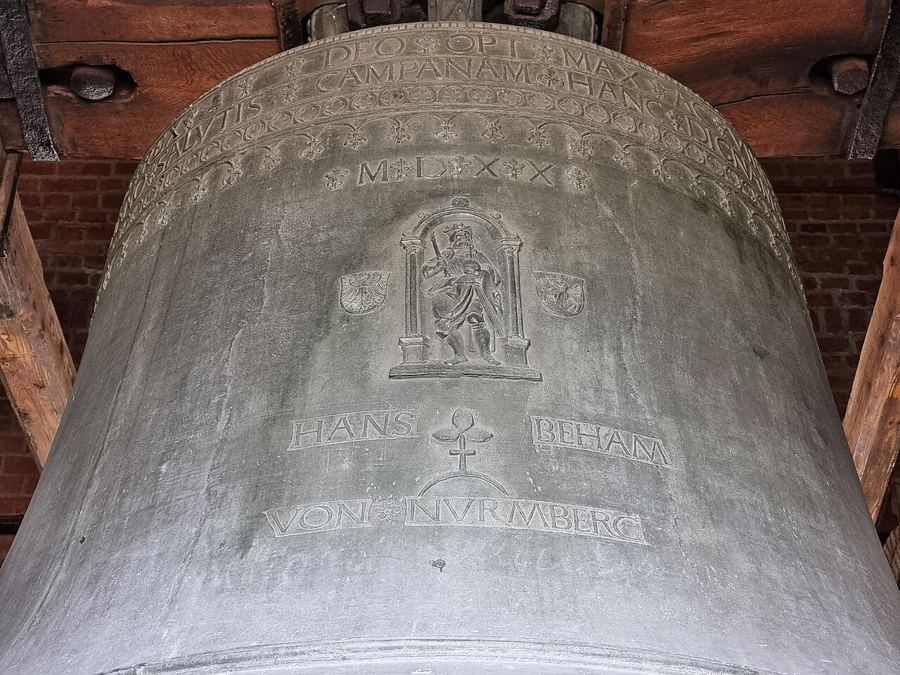 Cathedral and bellThe Sigismund Bell: a voice rung by hand
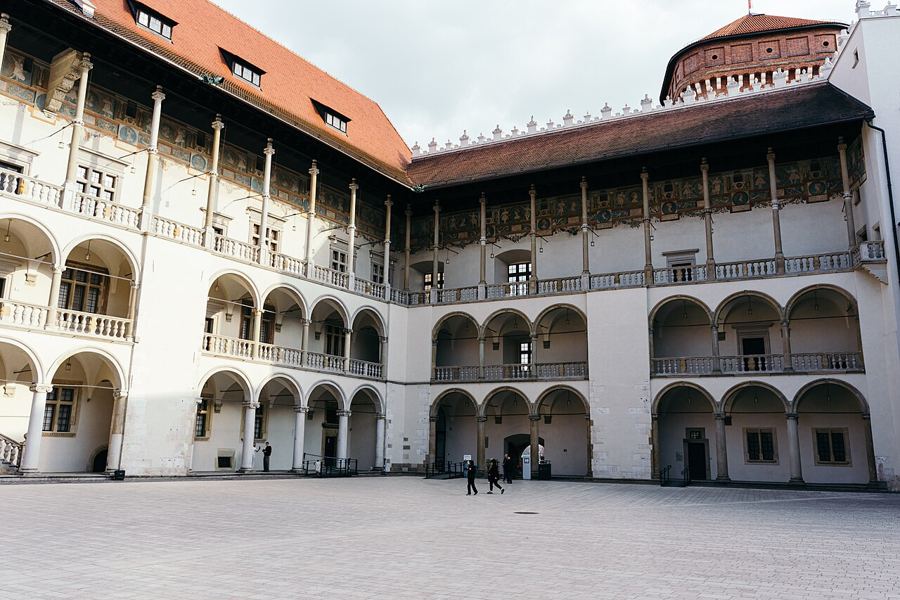 The castleThe arcaded courtyard of Wawel Castle
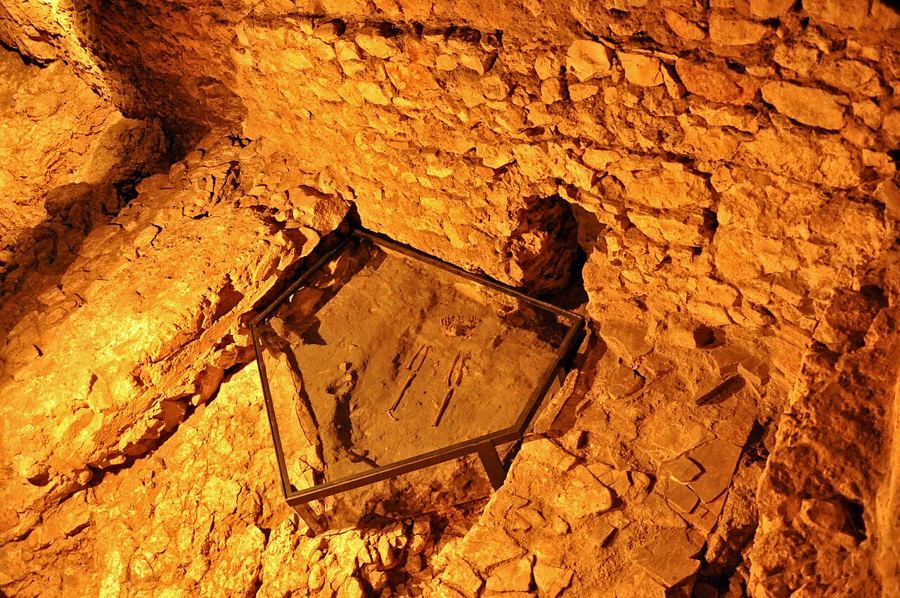 The castleWhat came before the castle on Wawel Hill?
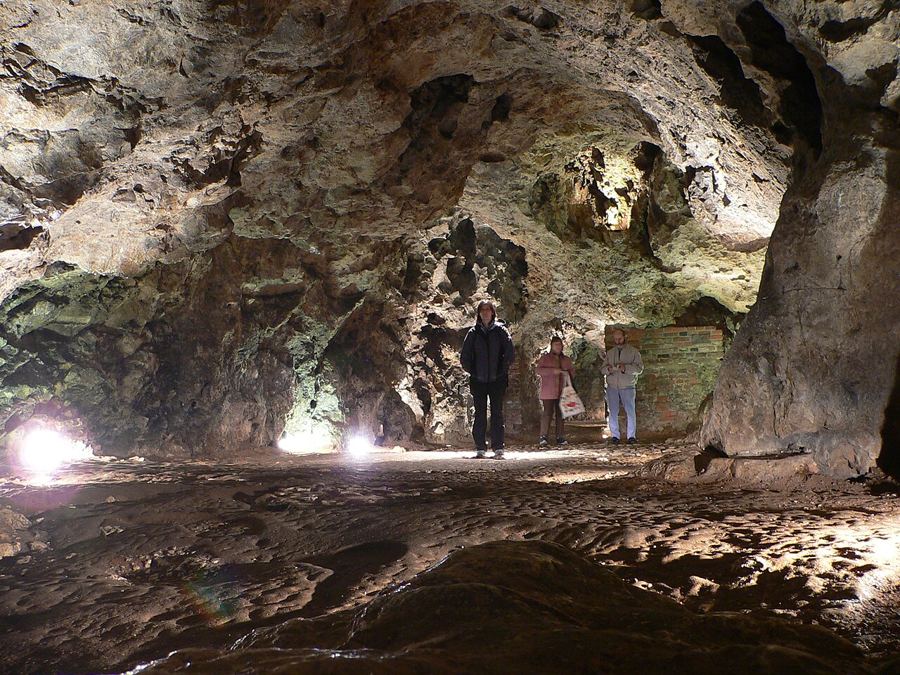 Dragon loreHow did the Wawel Dragon enter the written record?
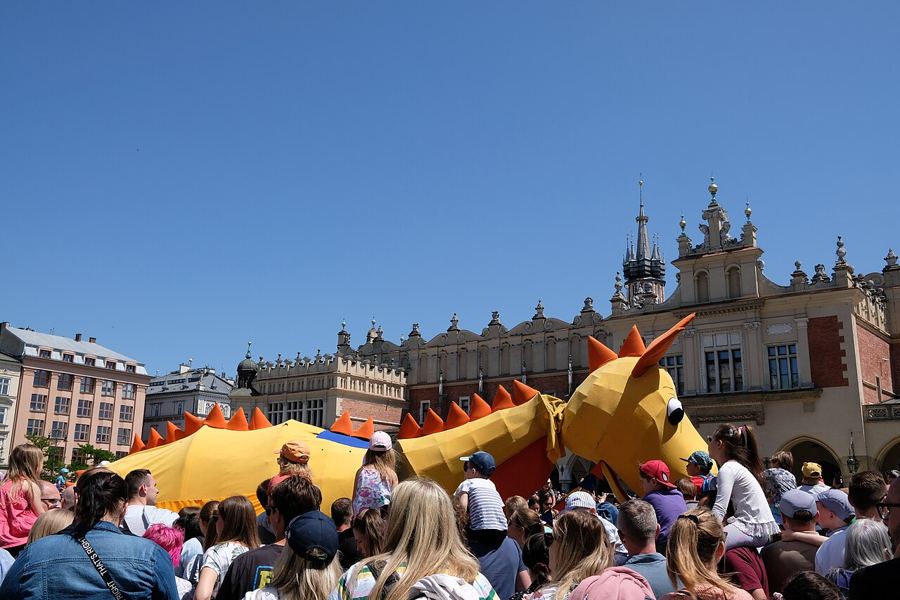 Dragon loreA parade of dragons on the Vistula
 Squares and the island townHow can Kazimierz still feel like a town on an island?
Photographs used: Zala — Creative Commons BY-SA 4.0; Lloyd Tudor — Creative Commons BY-SA 4.0; Jennifer Boyer — Creative Commons BY 2.0; Craig Nagy from Vancouver, Canada — Creative Commons BY-SA 2.0; Dwxn — Creative Commons BY-SA 4.0; Jakub Hałun — Creative Commons BY-SA 4.0