- Period
- 10th-11th century
- Distance
- 15 min from the Rynek
What came before the castle on Wawel Hill?
A step-by-step reading of the hill before the castle: a rotunda, excavated traces, and models that show Wawel at several stages of its building history.
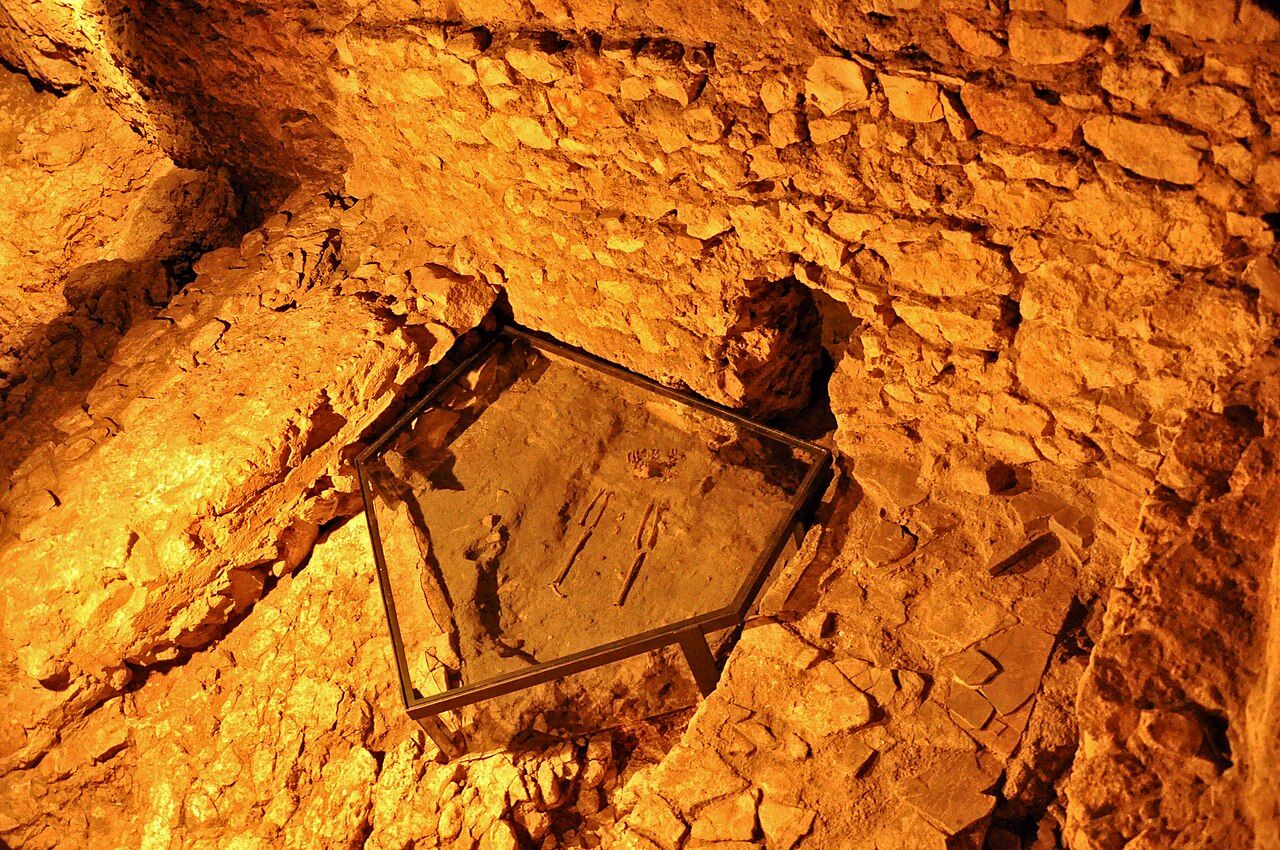
Below the castle’s later Renaissance buildings, the hill holds an earlier story. I begin with that contrast: what stands above, and what the Lost Wawel exhibition shows beneath it. The exhibition is set in the old royal kitchens and coach house on Wawel Hill, among evidence of buildings and settlement from long before the castle took its later form.
How do I read the hill beneath the castle?
First, look for the rotunda. The exhibition shows the foundations of the Rotunda of the Virgin Mary, also called the Rotunda of Sts Felix and Adauctus. It was one of the earliest stone buildings in Poland, dated to the late 10th or early 11th century. I find it helpful to begin here: with a building’s plan, before trying to picture the hill around it.
Next, follow the shape. The rotunda had a round nave with apses, a plan common in early medieval central Europe. It is a compact description, but it makes the building easier to hold in mind. The foundations are what the exhibition shows; the plan gives them a wider setting.
What details help place the remains?
- Excavations on Wawel Hill have found traces of settlement older than the Polish state.
- Floor tiles, pottery and architectural fragments found in excavations on the hill are on display.
- Models show Wawel Hill at several stages of its building history.
Then, look at the finds beside the building. The tiles, pottery and fragments are small pieces of the hill’s past, not a complete picture on their own. Set beside the rotunda’s foundations, they make the exhibition feel less like a single building remembered and more like a place gathered from different layers.
Finally, compare the models. They show Wawel Hill at several stages of its building history. I read them as a way to let the hill change in my mind: not simply the setting for the Renaissance royal residence, but a place with older traces beneath it. The exhibition lies under those later Renaissance buildings, and its models bring those stages into view alongside the excavated objects.
More from Wawel Hill and beyond
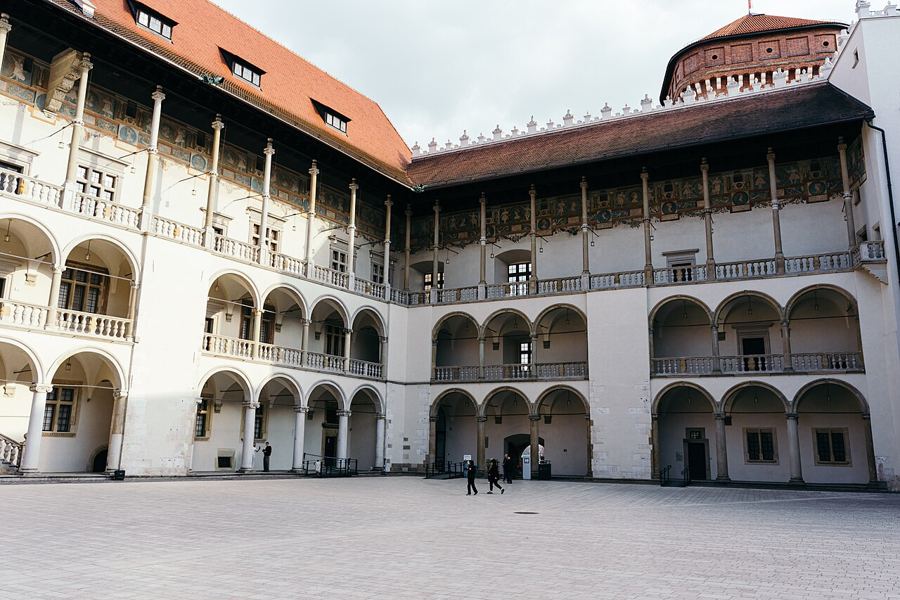 The castleThe arcaded courtyard of Wawel Castle
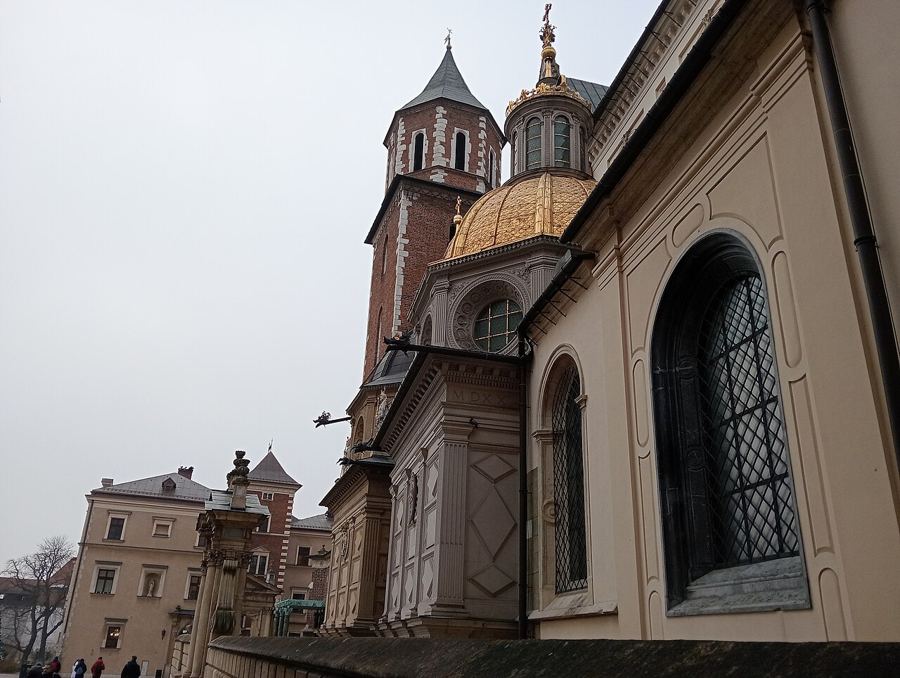 Cathedral and bellWhere were Polish kings crowned and buried?
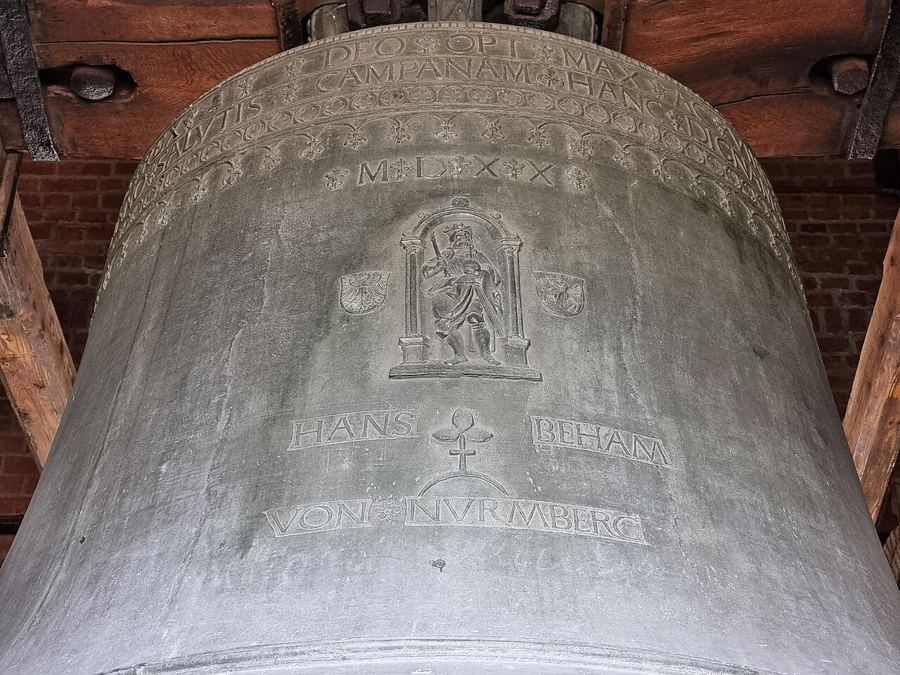 Cathedral and bellThe Sigismund Bell: a voice rung by hand
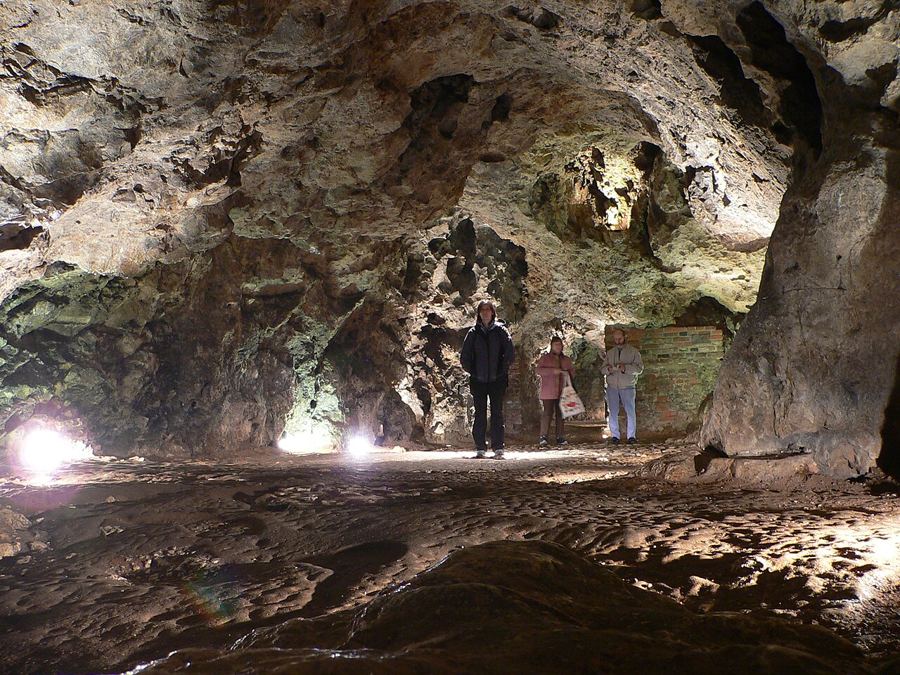 Dragon loreHow did the Wawel Dragon enter the written record?
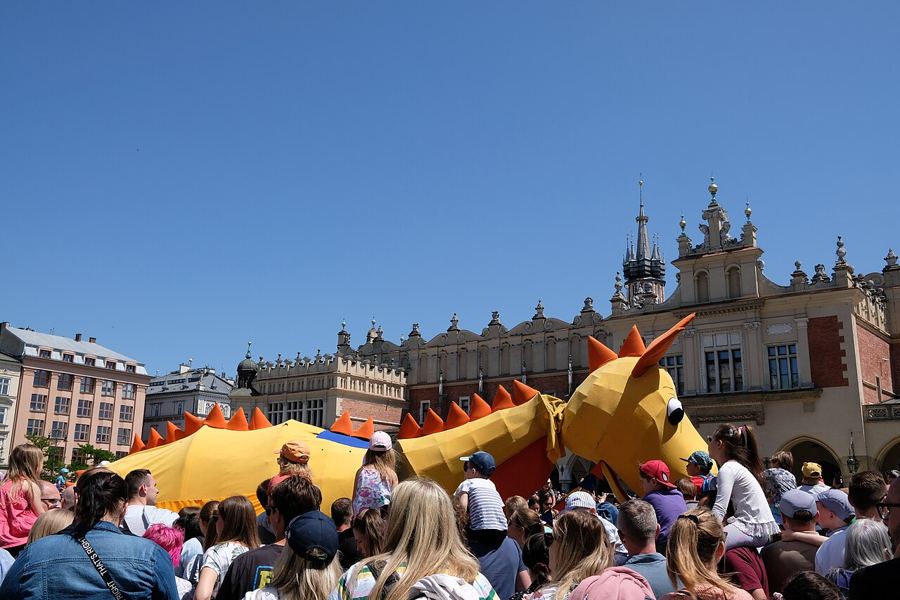 Dragon loreA parade of dragons on the Vistula
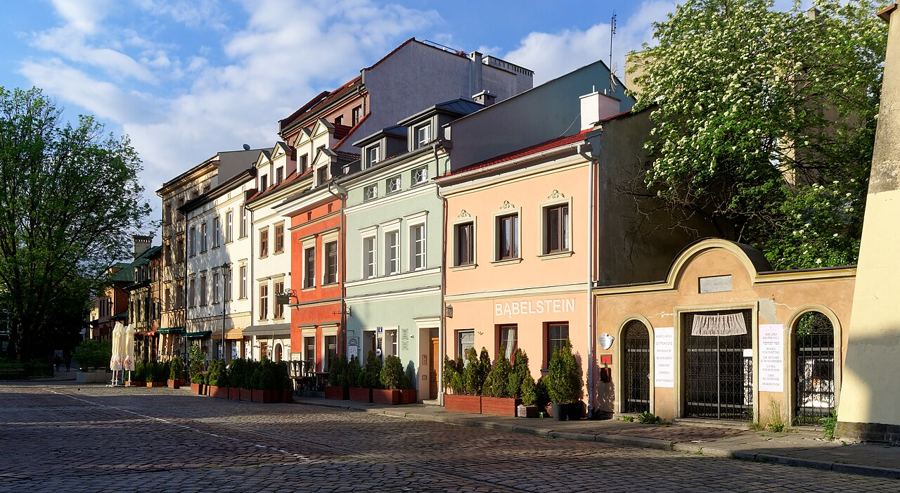 Squares and the island townHow can Kazimierz still feel like a town on an island?
Photographs used: Lloyd Tudor — Creative Commons BY-SA 4.0; Franek Vetulani — Creative Commons BY-SA 3.0; Zala — Creative Commons BY-SA 4.0; Craig Nagy from Vancouver, Canada — Creative Commons BY-SA 2.0; Dwxn — Creative Commons BY-SA 4.0; Jakub Hałun — Creative Commons BY-SA 4.0