- Period
- 14th-16th century
- Distance
- 1 h by bus from the Rynek
How do Pieskowa Skała and Hercules’ Club belong together?
A short, ordered reading of the castle above the Prądnik valley, its Renaissance courtyard and the limestone pillar below it, on the Trail of the Eagles’ Nests.
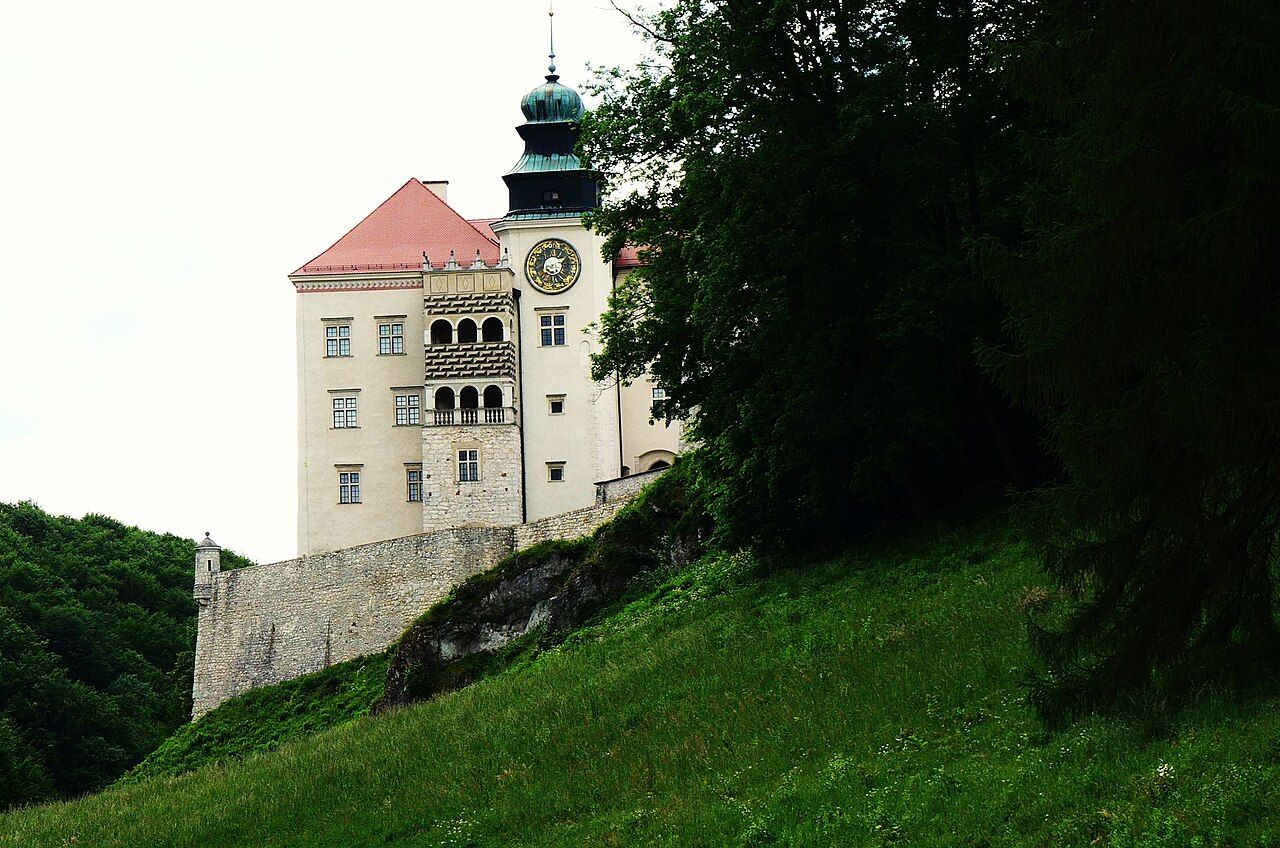
The castle stands on a rock above the Prądnik valley. Below it, Hercules’ Club rises from the landscape, narrow at the base and wide at the top. I find the two forms hard to separate: one shaped by architecture, the other by limestone.
How can I read the castle and its setting?
Begin with the castle’s position. It occupies the rock above the valley, so the building and its setting meet in a single outline. I keep that relationship in mind beside the white rocks of the Prądnik; the name of the valley gives the landscape a thread to follow.
Place Pieskowa Skała on the Trail of the Eagles’ Nests, a route of castles across the Polish Jura. It was first built in the 14th century as part of a chain of defensive castles. That beginning makes its place on a castle route feel more than incidental.
What details help to place it?
First built in the 14th century as part of a chain of defensive castles.
Rebuilt in Renaissance style by the Szafraniec family in the 16th century.
A branch of the Wawel royal collections museum.
Look inwards to the arcaded courtyard and its galleries. The Renaissance rebuilding by the Szafraniec family gives the castle another layer to read alongside its earlier role in a defensive chain. I like that the story here does not rest on the outer profile alone.
Finish below the castle, with Hercules’ Club. This limestone pillar is about 25 metres high. Its narrow base and broad top make it resemble a club stood on its end; the shape is so plain in its explanation, yet it stays in the mind as a companion to the castle above.
The old route of castles and the solitary pillar give me two ways of holding this place: as part of a wider line across the Polish Jura, and as a meeting of two striking forms above and below the valley. The courtyard brings the eye back inside, while the rock keeps the larger setting present (I return to that contrast as I think of Pieskowa Skała).
I like how the castle and the pillar make one quiet composition.
More from Around Kraków and beyond
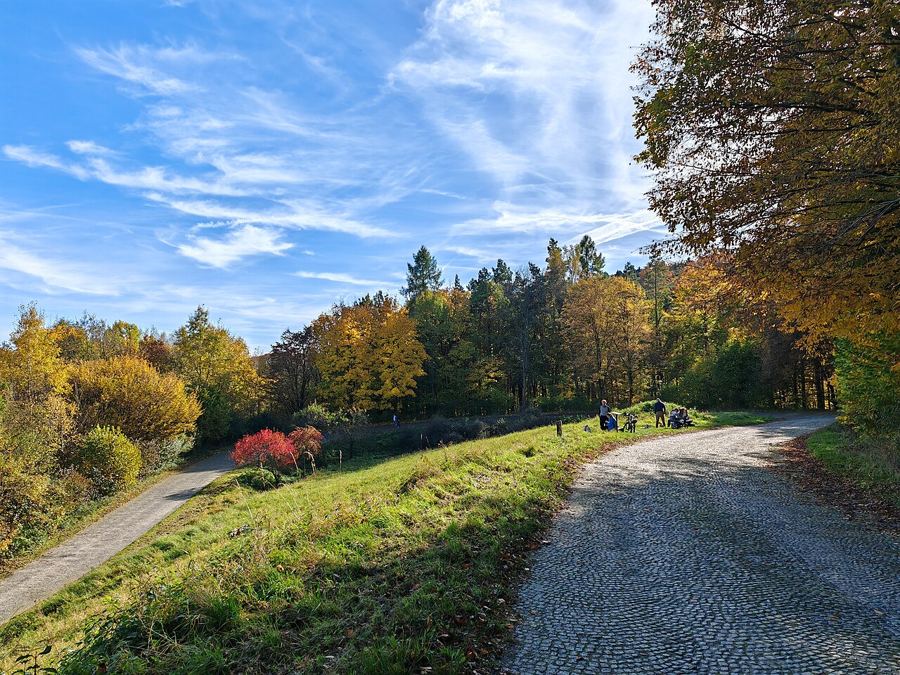 Limestone valleysWhat does Ojców’s limestone gorge hold?
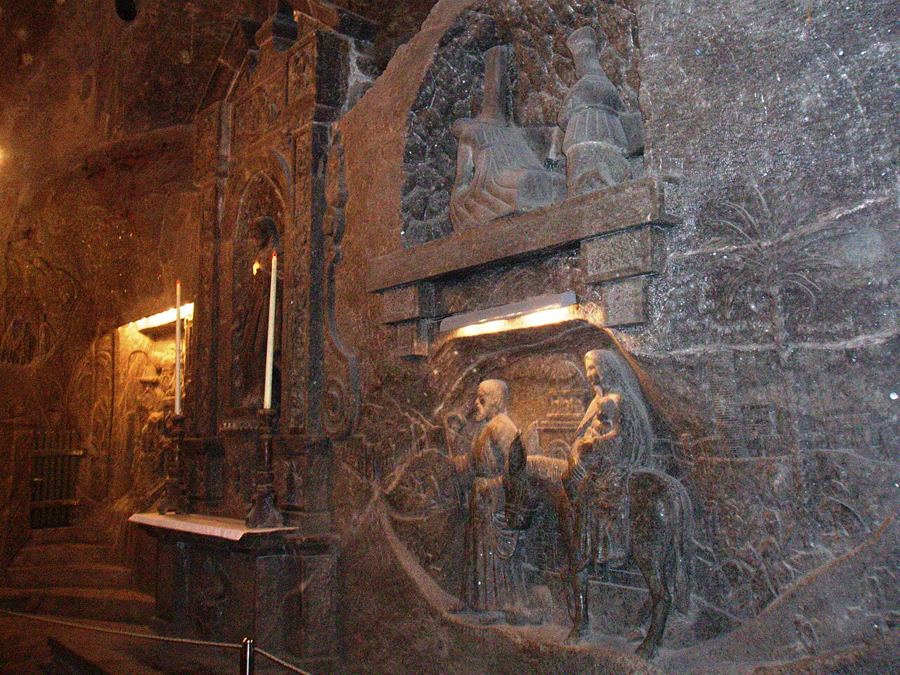 Salt undergroundDown into Wieliczka’s salt cathedral
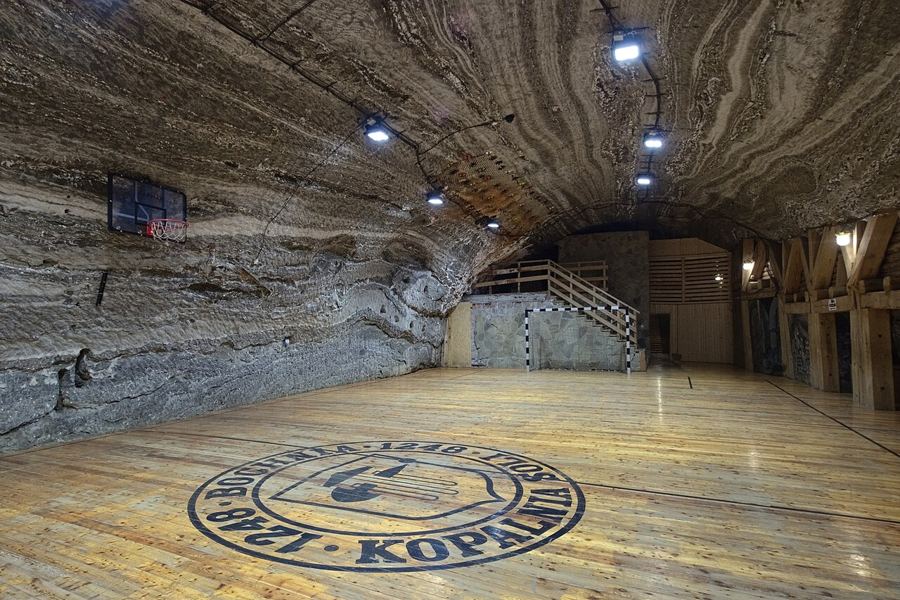 Salt undergroundBochnia: Kraków’s other salt mine
 Podhale and the TatrasZakopane and the style that grew from it
 Podhale and the TatrasThe Tatras: what the ridge, lake and summits tell us
 Podhale and the TatrasOscypek: a smoked cheese shaped by the grazing season
Photographs used: Dwxn — Creative Commons BY-SA 4.0; Kanonkrajoznawczy — Creative Commons BY-SA 3.0; Adrian Tync — Creative Commons BY-SA 4.0; Piotrekwas — Creative Commons BY-SA 3.0; Tadeusz Rząca — public domain the file; Аимаина хикари — CC0 1.0 Universal
