- Period
- tradition; PDO since 2008
- Distance
- 2-3 h by bus or train from the Rynek
Oscypek: a smoked cheese shaped by the grazing season
Made in Podhale while sheep graze the high pastures, oscypek carries its season in its milk, its carved pattern and its smoke.
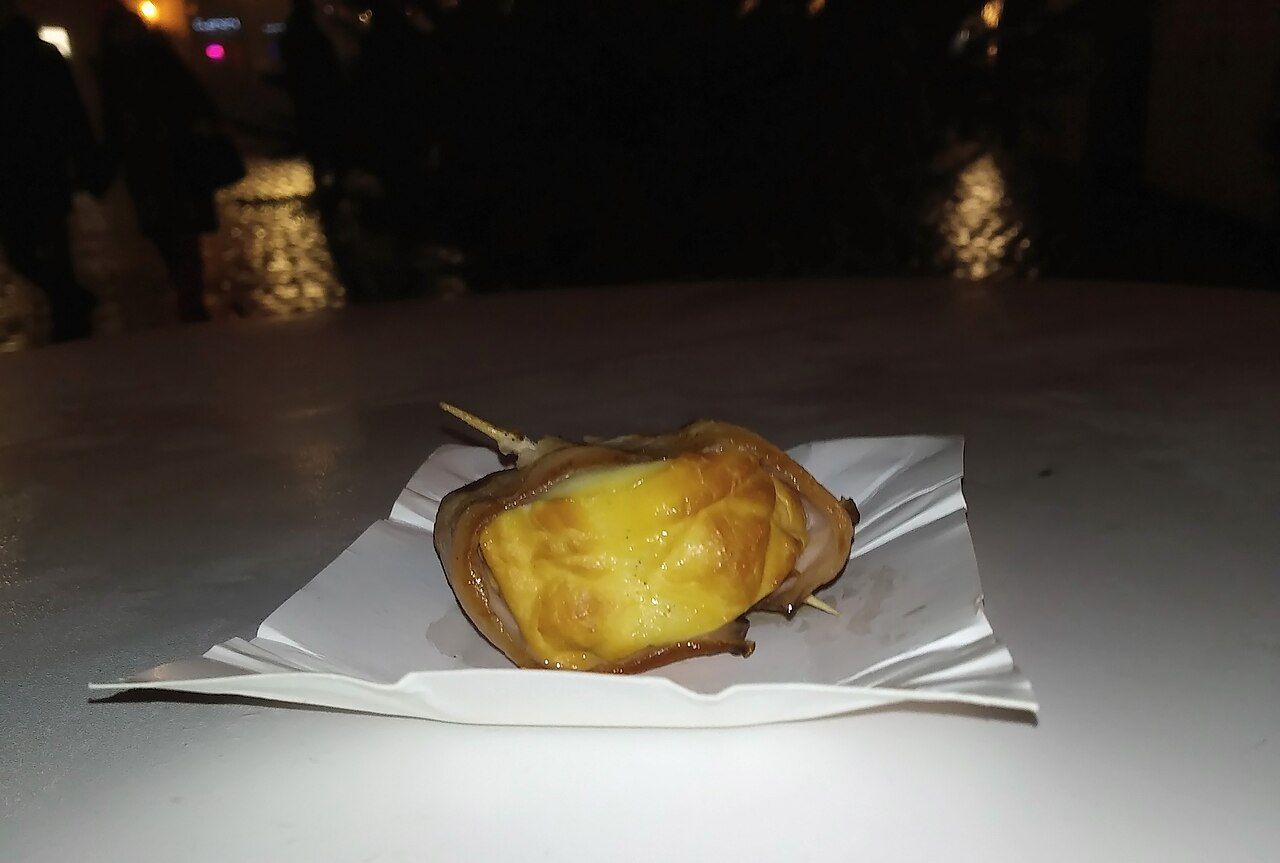
Oscypek is a smoked cheese made in Podhale, at the foot of the Tatras. Its making belongs to the grazing season, when sheep are on the high pastures.
What makes oscypek distinctive?
It must be made from at least 60 per cent sheep’s milk. That requirement gives the name a particular meaning, rather than making it a general word for smoked cheese. Since 2008, oscypek has been registered as a Protected Designation of Origin in the European Union. The protected name gives this cheese a clear identity: Podhale, sheep’s milk, and a way of making that follows the season.
I like that the definition begins with milk and place, not with a serving suggestion. The cheese has a spindle shape, thick in the middle and tapering at both ends. Its carved pattern is not painted on or added at the end; it comes from the wooden moulds used to press it. Even in a short description, those details make the cheese feel closely tied to the hands and materials that shape it.
Why is it called a summer cheese?
Oscypek is made roughly from May to September, while the sheep are on the high pastures. Its season is not an incidental detail. It connects the cheese to a particular stretch of the year and to the animals’ grazing. I find myself thinking of that when I picture its firm, patterned shape: the cheese is not simply smoked and stored, but made within a seasonal rhythm.
What belongs to the making of oscypek?
- It is made in Podhale, at the foot of the Tatras.
- At least 60 per cent of its milk must come from sheep.
- Carved wooden moulds press in the decorative pattern.
- After shaping, it is soaked in brine and smoked for several days.
Who makes it, and how does the shape appear?
The head shepherd who makes oscypek is called a baca. The cheese is pressed into carved wooden moulds, whose patterns leave each one decorated. Its spindle form is thick at the centre and narrows at both ends. Then it is soaked in brine and smoked for several days. There is a pleasing order to these steps: first the shape, then brine, then smoke. I can imagine the making as a sequence of distinct gestures, without needing to add more to what is known.
How is oscypek served?
It is often sliced and grilled, then served with cranberry jam. I find the contrast in that simple pairing easy to picture: the smoked cheese warmed by the grill, the sweetness of the jam alongside it. Food names from different parts of Poland sit together in my mind, including the dumplings of St Hyacinth. They are not the same dish, of course; the connection here is simply the pleasure of a name that carries a place with it.
Smaller cheeses of the same kind, sold outside the season, are called gołka or redykołka. That distinction brings the calendar back into the story. Oscypek belongs to the months when sheep are on the high pastures; the smaller cheeses carry the same kind of cheese beyond that season.
Why does this cheese stay with me?
It is the closeness of the details that holds my attention. The place is named; the milk has a stated proportion; the season has its rough bounds. Then come the mould, the pattern, the brine and the smoke. Nothing in that chain feels separate from the finished cheese. Even its spindle shape seems to make the process visible, broad at the middle and narrowing away at either end. I am drawn to the idea of a food that does not need a long story added to it: its name, its shape and its season already say so much. It makes me think of how a place can stay present in a small thing, not as a grand declaration but as a set of particulars that belong together.
To me, oscypek is a small, smoky reminder that a season can have a shape.
More from Around Kraków and beyond
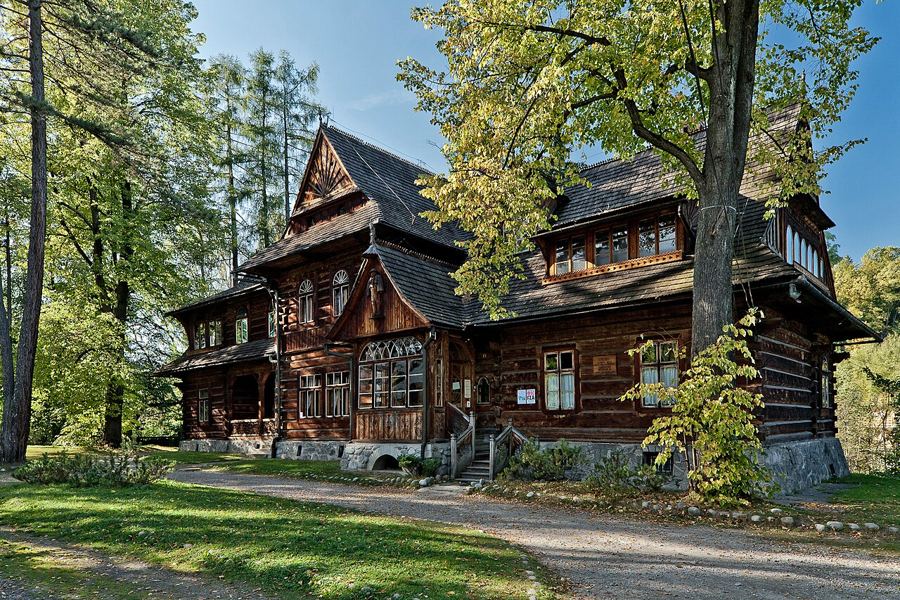 Podhale and the TatrasZakopane and the style that grew from it
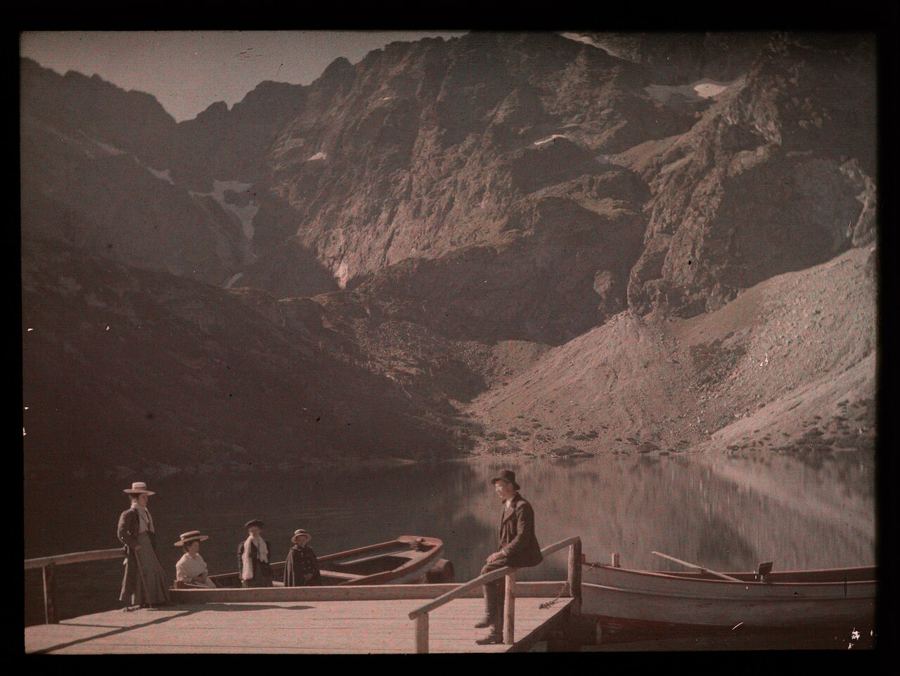 Podhale and the TatrasThe Tatras: what the ridge, lake and summits tell us
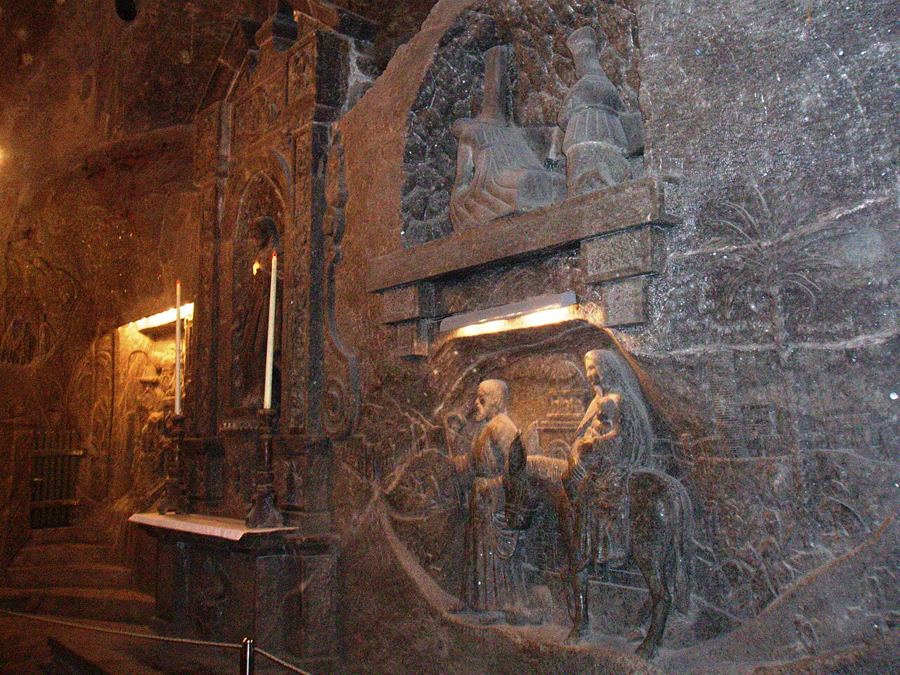 Salt undergroundDown into Wieliczka’s salt cathedral
 Salt undergroundBochnia: Kraków’s other salt mine
 Limestone valleysWhat does Ojców’s limestone gorge hold?
 Limestone valleysHow do Pieskowa Skała and Hercules’ Club belong together?
Photographs used: Piotrekwas — Creative Commons BY-SA 3.0; Tadeusz Rząca — public domain the file; Kanonkrajoznawczy — Creative Commons BY-SA 3.0; Adrian Tync — Creative Commons BY-SA 4.0; Dwxn — Creative Commons BY-SA 4.0; BogTar200917 — Creative Commons BY-SA 4.0
