- Period
- 13th century to today
- Distance
- 30 min by train from the Rynek
Down into Wieliczka’s salt cathedral
Worked since the 13th century, Wieliczka reaches 327 metres below ground; its Chapel of St Kinga gives rock salt a solemn, human scale.
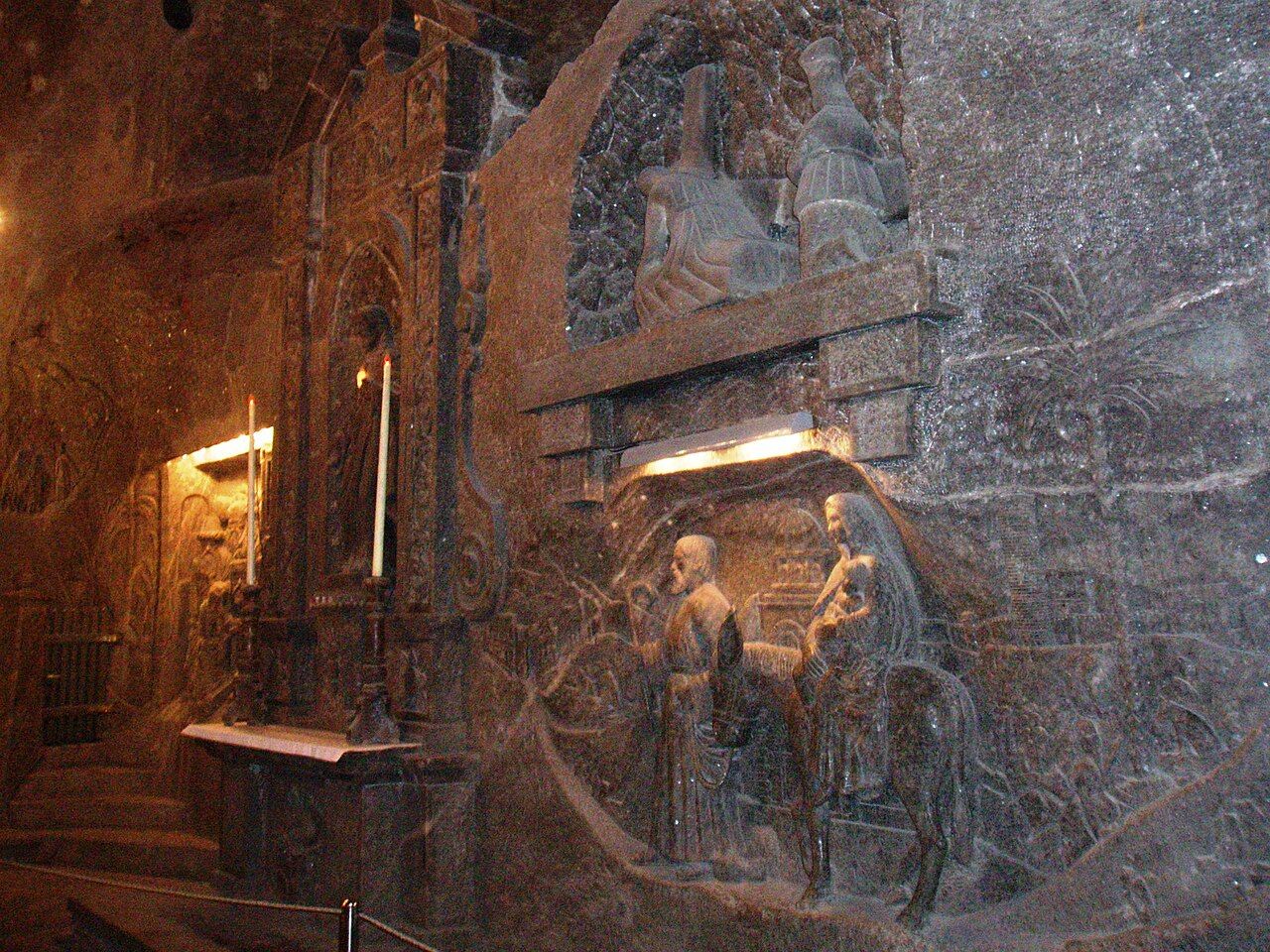
Rock salt has been mined at Wieliczka since the 13th century. The mine reaches 327 metres below ground, and its passages extend across nine levels. Those figures describe a vast place; the Chapel of St Kinga brings it close to human scale.
Why does Wieliczka matter to Kraków?
Wieliczka lies about 15 kilometres south-east of the centre of Kraków. Its salt was not simply a material drawn from underground: salt from Wieliczka and Bochnia was one of the main sources of royal income in medieval Poland. I find that connection lends weight to the mine’s immense scale. The passageways belong to a working history, not to a decorative underground world made for visitors.
Industrial salt extraction at Wieliczka ended in 1996. UNESCO added the Wieliczka Salt Mine to its World Heritage List in 1978. These dates mark different things: the end of industrial extraction, and recognition of the place’s importance. The passages and chambers remain the setting for a story that reaches far beyond the act of mining.
How far does the mine go?
The mine has more than 245 kilometres of passages on nine levels, reaching a depth of 327 metres. The tourist route is about 3 kilometres long and begins with a descent of several hundred steps. I like the difference between these measures: a route that can be followed, set within a much larger underground network.
There is a quiet strangeness in thinking of a place in kilometres of passages and levels. The numbers suggest extent, but not what it means to carve and work below ground over generations. Wieliczka holds both: an enormous mine and particular rooms shaped within it.

What are the practical details?
- Wieliczka is about 15 kilometres south-east of Kraków’s centre.
- The journey from Rynek is 30 minutes by train.
- The mine reaches 327 metres deep and has more than 245 kilometres of passages on nine levels.
- The tourist route is about 3 kilometres long and starts with a descent of several hundred steps.
What is the story behind Princess Kinga’s ring?
Legend says Princess Kinga threw her ring into a salt mine in Hungary. It was found in the first lump of salt dug at Wieliczka. The story makes a connection between distant places through one small object, then gives the arrival of salt at Wieliczka the shape of a beginning. I am fond of legends that make the deep workings of a place part of its memory.
There is another salt mine to the east: the older salt mine to the east. I find the two names sit naturally together in the account of salt and royal income, though Wieliczka has its own distinct place in the story.
Why is the Chapel of St Kinga called a salt cathedral?
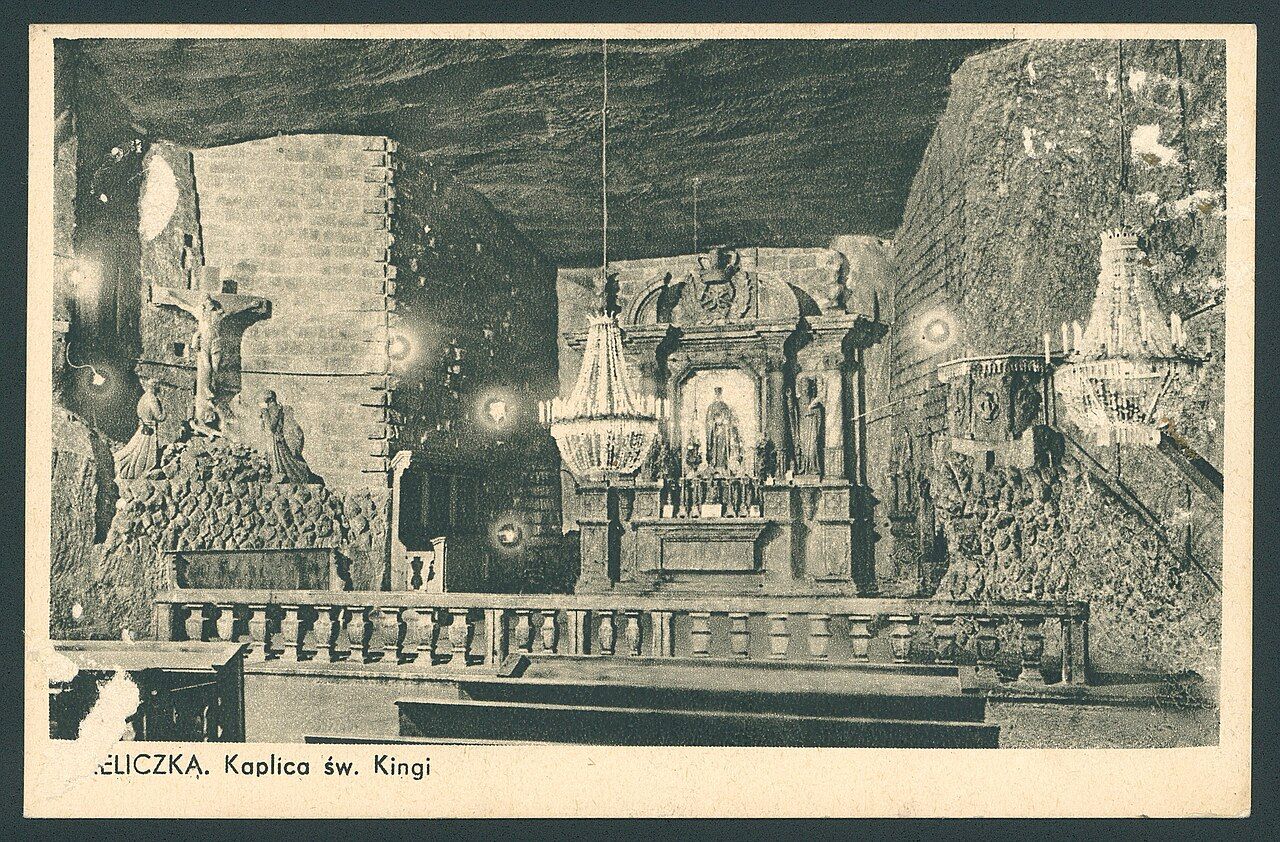
The Chapel of St Kinga lies about 101 metres underground and is carved entirely from rock salt. Miners began carving it in 1896, and the work went on for decades. The title image of a cathedral made of salt feels most vivid here: not as a claim about its formal category, but as a way of taking in the devotion and labour held in a chamber cut from the mine itself.
The Chapel of St Kinga is where the mine’s scale becomes human again.
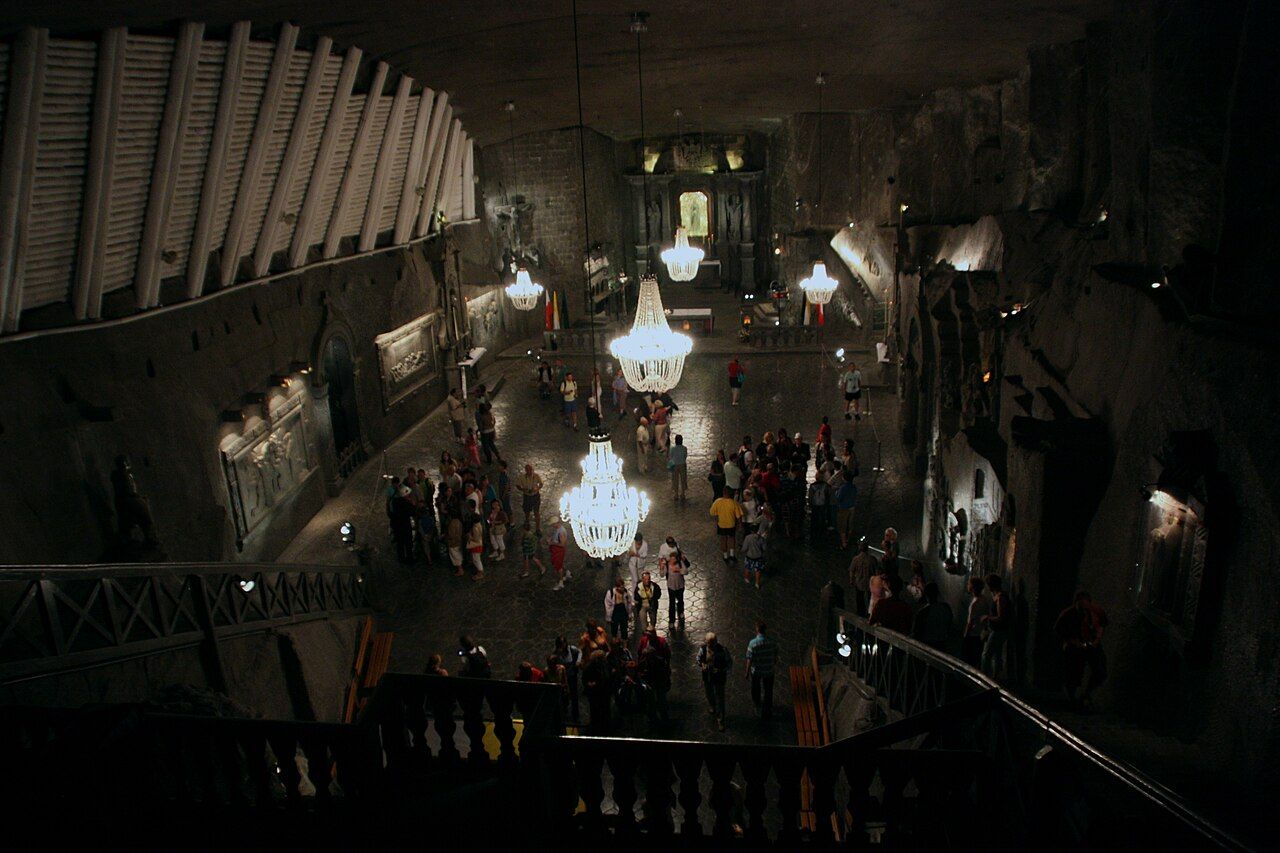
The Chapel of St Kinga is where the mine’s scale becomes human again.
When I think of Wieliczka, I return to that contrast. There are the vast figures: hundreds of kilometres of passages, nine levels, a depth of 327 metres. Then there is the chapel, made entirely of the material that gave the mine its purpose. Its carving took decades. That span gives the room a different kind of measure, one that cannot be reduced to depth or length. The mine’s history does not sit only in its industrial reach; it is also present in the work of making a place for worship underground. That is what stays with me about the phrase “cathedral of salt”: the scale is immense, but the detail is made by hand, over time. The chapel draws the eye of the mind away from the totals and towards the people who shaped the rock.
What does the tourist route include?
The tourist route is about 3 kilometres long and begins with a descent of several hundred steps. That first fact is part of its character: entry means going down, leaving the surface behind by way of a long stair. I cannot make the route stand for the whole mine; its length is only a small portion of the passages below Wieliczka.
Still, the route gives a way to meet the place through its underground spaces. The chapel, at about 101 metres below ground, belongs to that deeper world. I think of it not as an isolated marvel, but as a room within a mine whose reach and history are much larger than any single visit.
Where can the mine’s history be seen?
The Kraków Saltworks Museum has its galleries in the mine and in the Saltworks Castle in Wieliczka. Its presence in both places makes a fitting close to this account: the mine itself, and the castle in the town, each hold part of the saltworks story.
Wieliczka stays with me as a place measured in immense distances and made intimate by the work of carving. The chapel gives the underground its human scale; the mine surrounds it with centuries of history.
More from Around Kraków and beyond
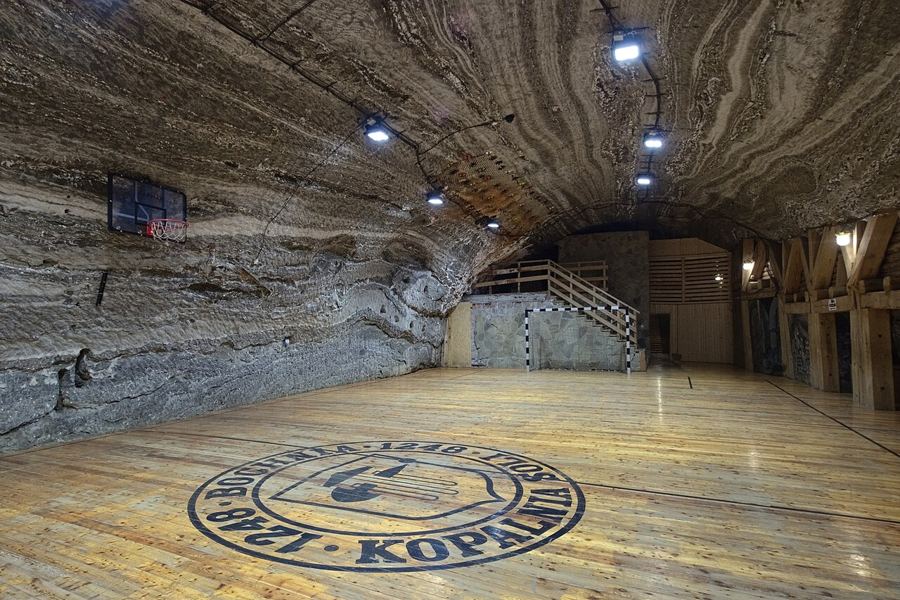 Salt undergroundBochnia: Kraków’s other salt mine
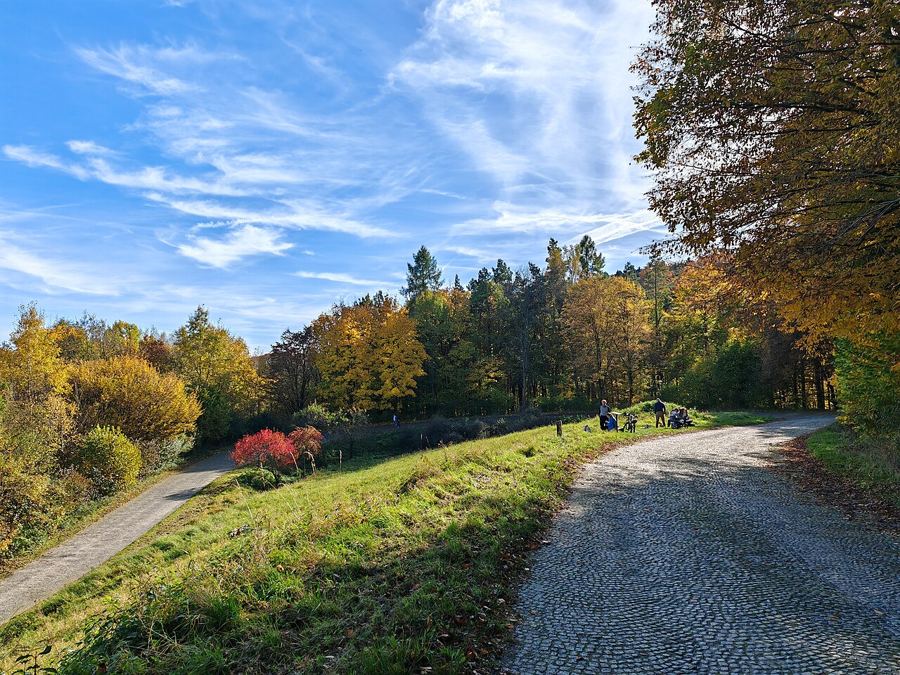 Limestone valleysWhat does Ojców’s limestone gorge hold?
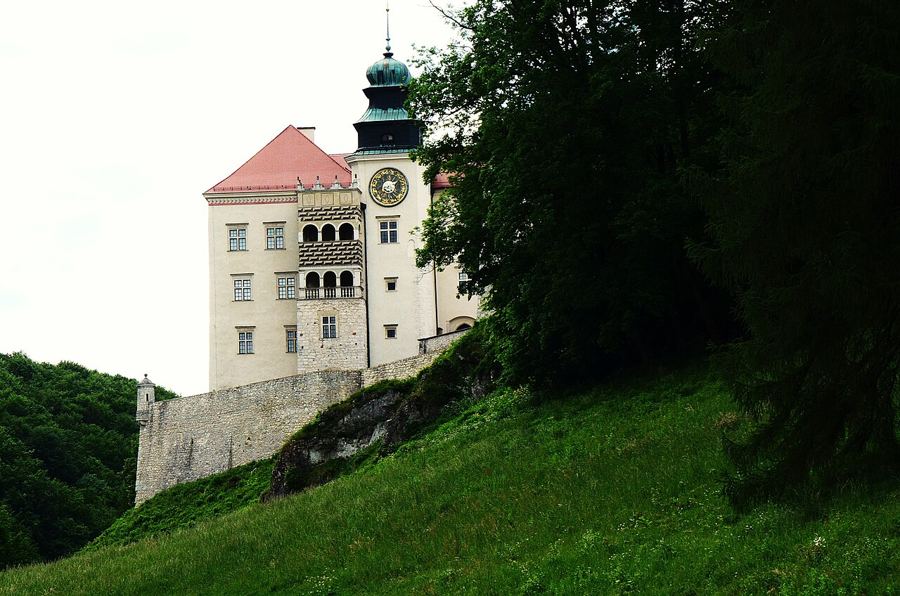 Limestone valleysHow do Pieskowa Skała and Hercules’ Club belong together?
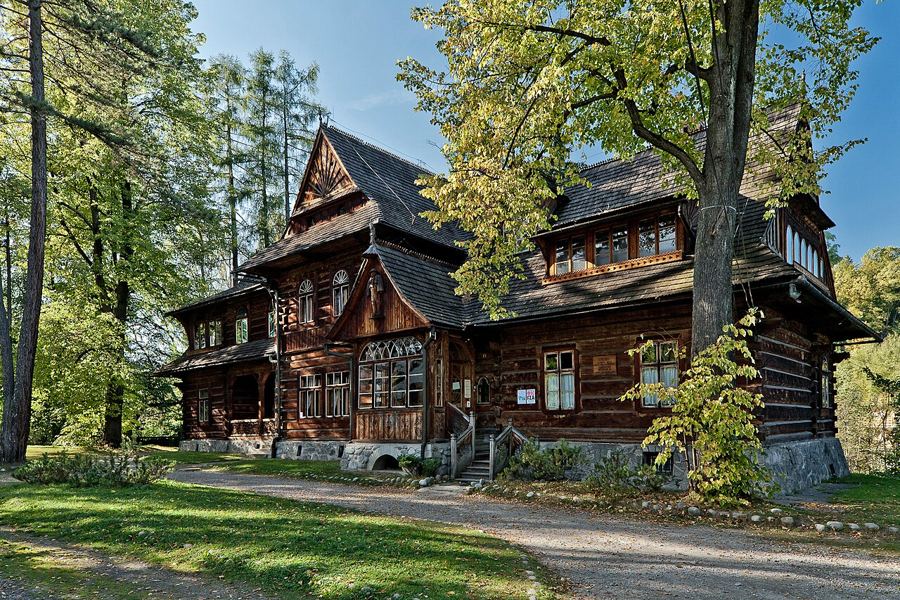 Podhale and the TatrasZakopane and the style that grew from it
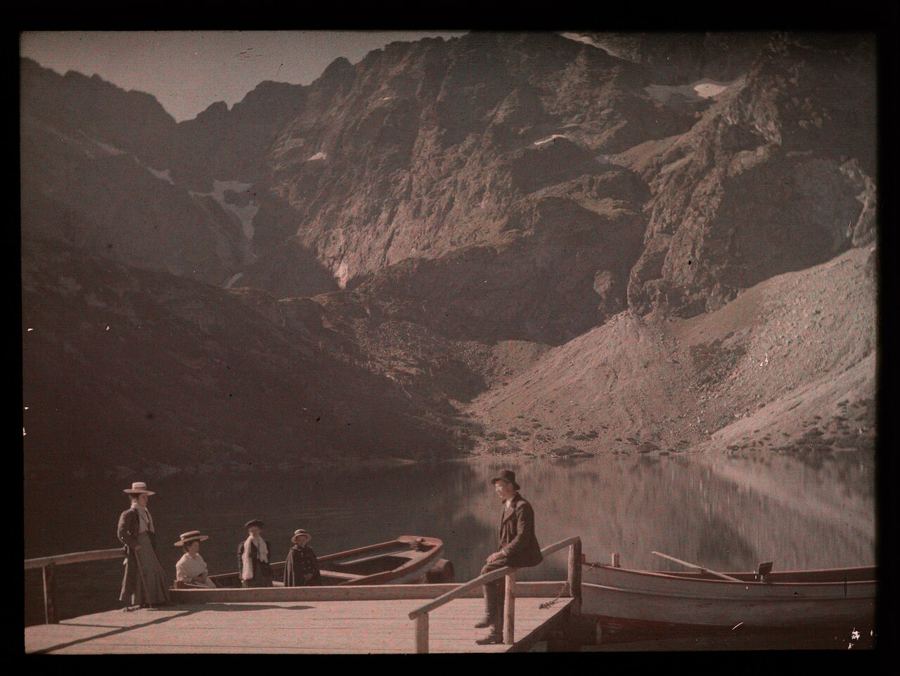 Podhale and the TatrasThe Tatras: what the ridge, lake and summits tell us
 Podhale and the TatrasOscypek: a smoked cheese shaped by the grazing season
Photographs used: Adrian Tync — Creative Commons BY-SA 4.0; Dwxn — Creative Commons BY-SA 4.0; BogTar200917 — Creative Commons BY-SA 4.0; Piotrekwas — Creative Commons BY-SA 3.0; Tadeusz Rząca — public domain the file; Аимаина хикари — CC0 1.0 Universal
