- Period
- late 19th century
- Distance
- 2-3 h by bus or train from the Rynek
Zakopane and the style that grew from it
A highland village became a mountain resort, while Stanisław Witkiewicz shaped its wooden-house traditions into a style with a story of its own.
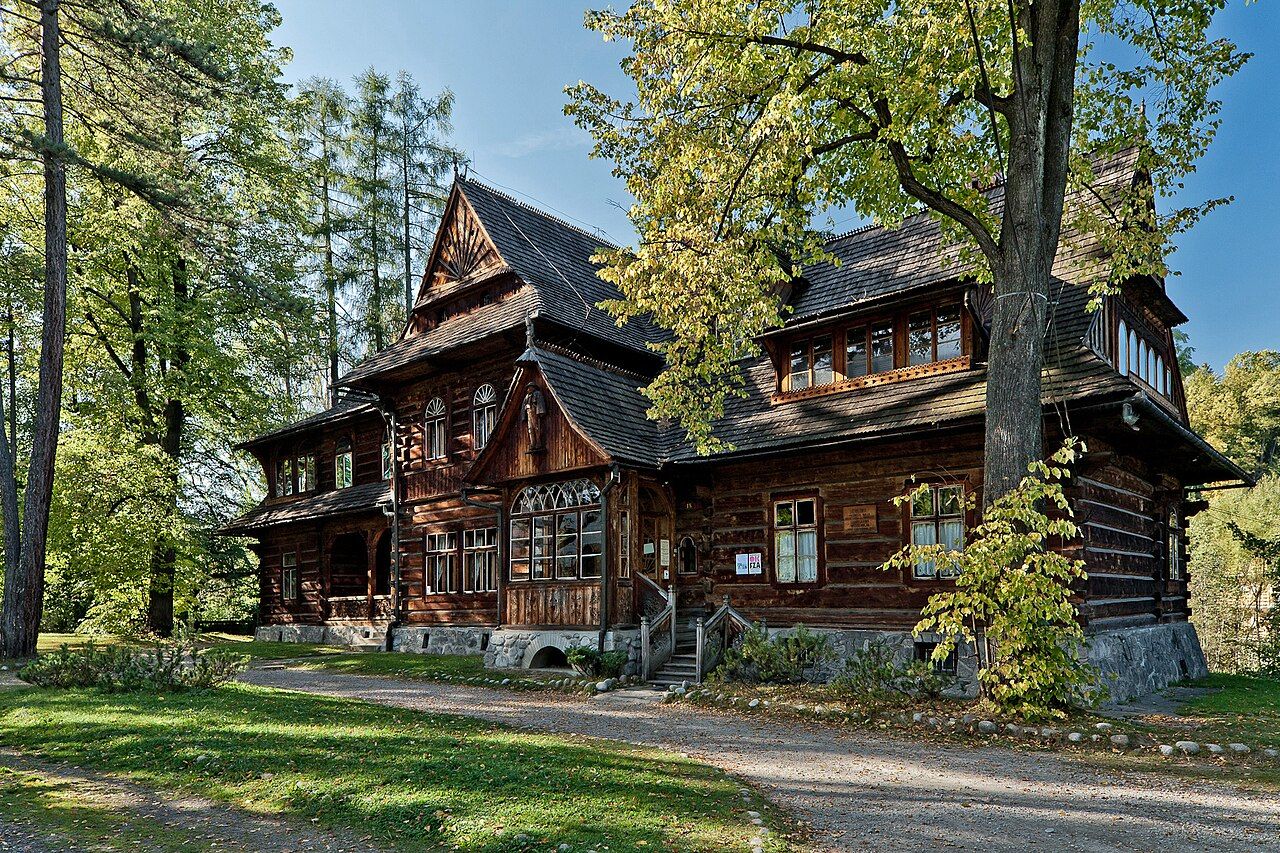
Zakopane lies about 100 kilometres south of Kraków, at the foot of the Tatra Mountains. It began as a highland village and grew into a mountain resort in the late 19th century. The change is part of its story; so is the style of building that took the village as its starting point.
Was Zakopane always a mountain resort?
Myth: The town has always been defined by visitors and mountain holidays.
Fact: Zakopane grew from a highland village into a resort during the late 19th century. I find that shift easier to hold in mind not as a sudden change of character, but as a place taking on a new role while keeping its older foundations in view. The mountain setting belongs to both parts of the story.
Was the Zakopane style simply an old village tradition?
Myth: The style was just the wooden houses of the highlands, carried forward unchanged.
Fact: Stanisław Witkiewicz created the Zakopane style, basing it on the wooden houses of the Podhale highlanders. That distinction matters. The style has roots in local building, but it also has a creator and a name. Villa Koliba, built between 1892 and 1894, was the first house in the style. It now houses the Museum of Zakopane Style.
I like the way this account keeps two things together: the houses that were already there, and the act of shaping them into something that could be named. The the smoked cheese of the highlands belongs to another strand of the place’s identity, but the style asks me to look at the houses as more than shelter. That story is not only about a village becoming a resort; it is also about an idea of the highlands taking a visible form. The result feels rooted in one place and able to stand for more than one building. That is how a local style can begin to read as a larger idea, without losing the particular village from which it came.
What details belong in the margin?
- From Rynek: 2-3 h by bus or train
- Era: late 19th century
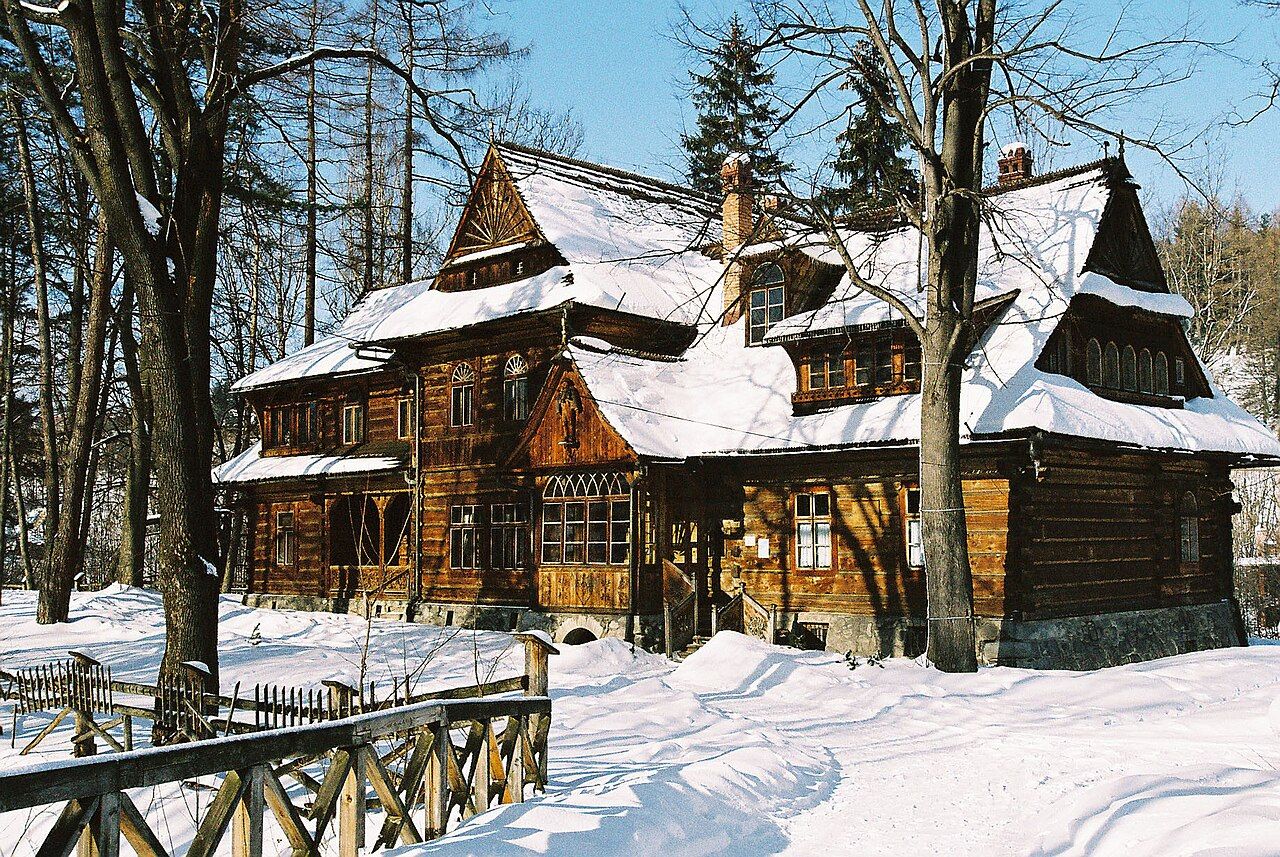
Is the story only about buildings?
Myth: Once the style is understood, the rest of Zakopane is just a backdrop.
Fact: The Tatra Museum in Zakopane was founded in 1888 and holds collections on highland culture and nature. Krupówki is the town’s main street. Each gives a different way of thinking about a place shaped both by its highland setting and by its changing life as a resort. The the lakes of the high Tatras are part of the wider mountain picture, too.
Kasprowy Wierch, at 1,987 metres, has been reached by a cable car from Zakopane since 1936. That fact makes the mountains feel connected to the town’s story, rather than separate from it. The old cemetery on Pęksowy Brzyzek contains the graves of Stanisław Witkiewicz and many artists and mountaineers. Karol Szymanowski lived in Zakopane in the villa Atma, now a museum of his work.
Did one style become the whole town?
Myth: Zakopane can be summed up by its named style.
Fact: The style is one thread among several: the highland village, the mountain resort, the collections on culture and nature, the cemetery, and the house where Szymanowski lived. I find myself returning to the modest scale of that first house in the style. Villa Koliba links Witkiewicz’s work to the wooden houses that gave it a foundation. The museum collections, the old cemetery and Atma widen the view without taking that beginning away. There is a certain wistfulness in the way a place can change and still carry traces of what came before. Zakopane’s growth into a resort did not erase the highland village from its account, and the style did not appear without those wooden-house traditions behind it. I like to keep both truths in view: a mountain town that grew, and a design idea that began with the houses of its region. In that balance, Zakopane feels larger than a single style, yet never detached from the place that gave it a name.
To me, Zakopane is a village whose buildings let a local idea travel further.
More from Around Kraków and beyond
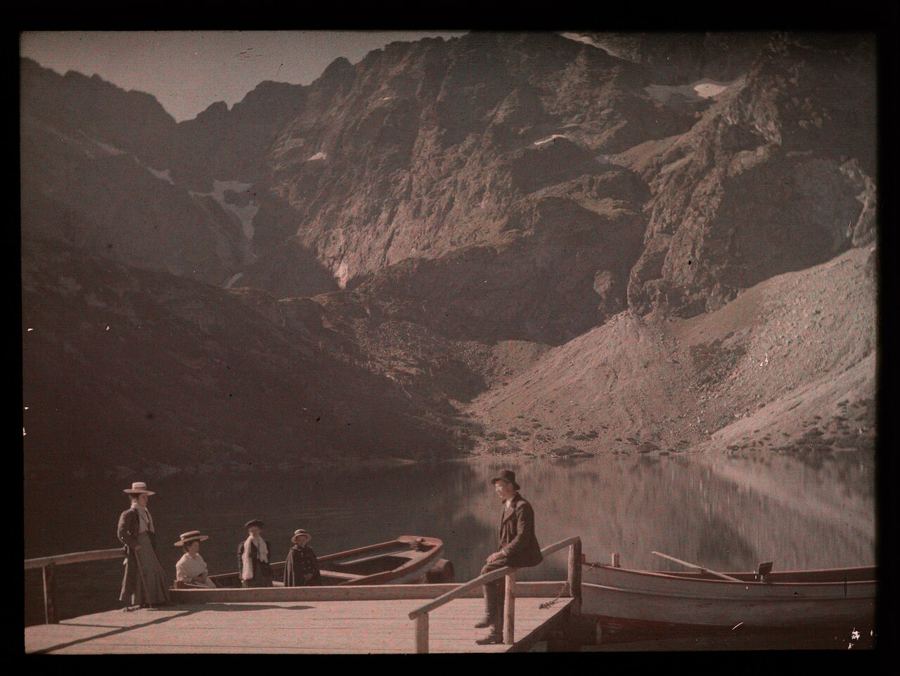 Podhale and the TatrasThe Tatras: what the ridge, lake and summits tell us
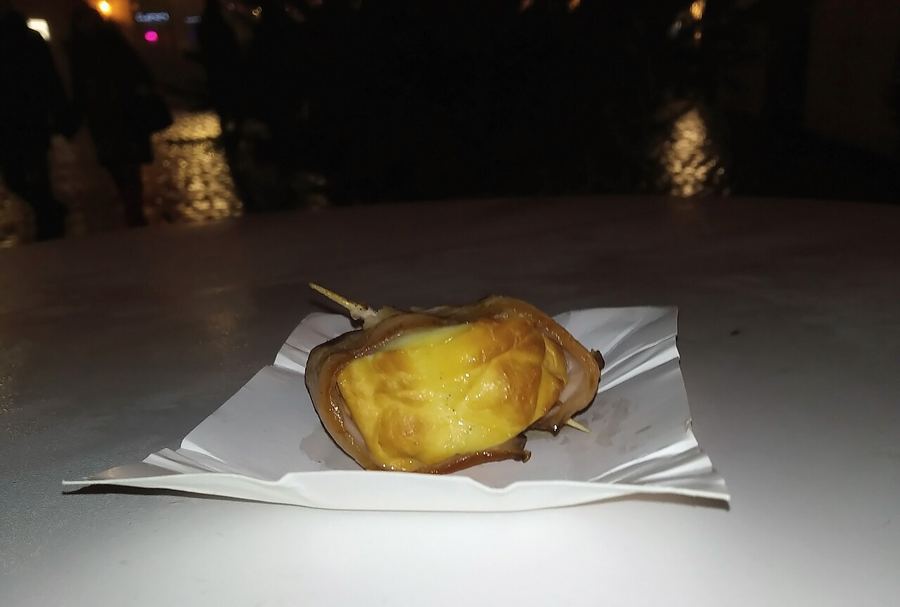 Podhale and the TatrasOscypek: a smoked cheese shaped by the grazing season
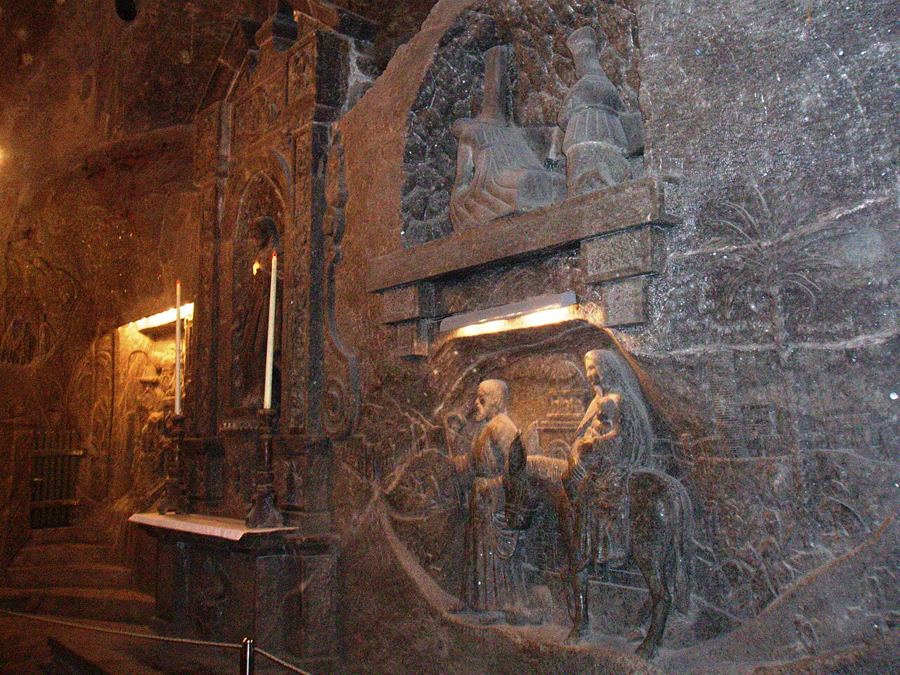 Salt undergroundDown into Wieliczka’s salt cathedral
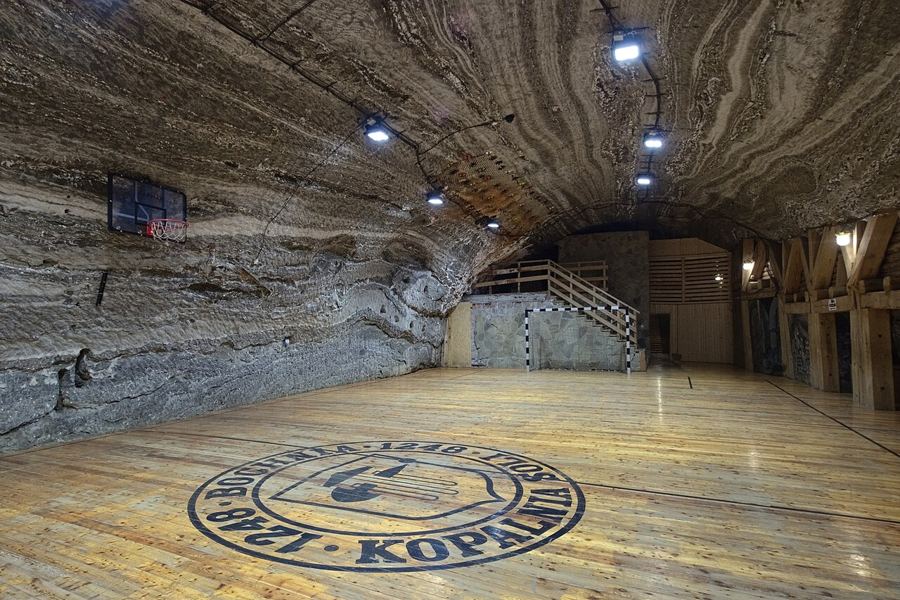 Salt undergroundBochnia: Kraków’s other salt mine
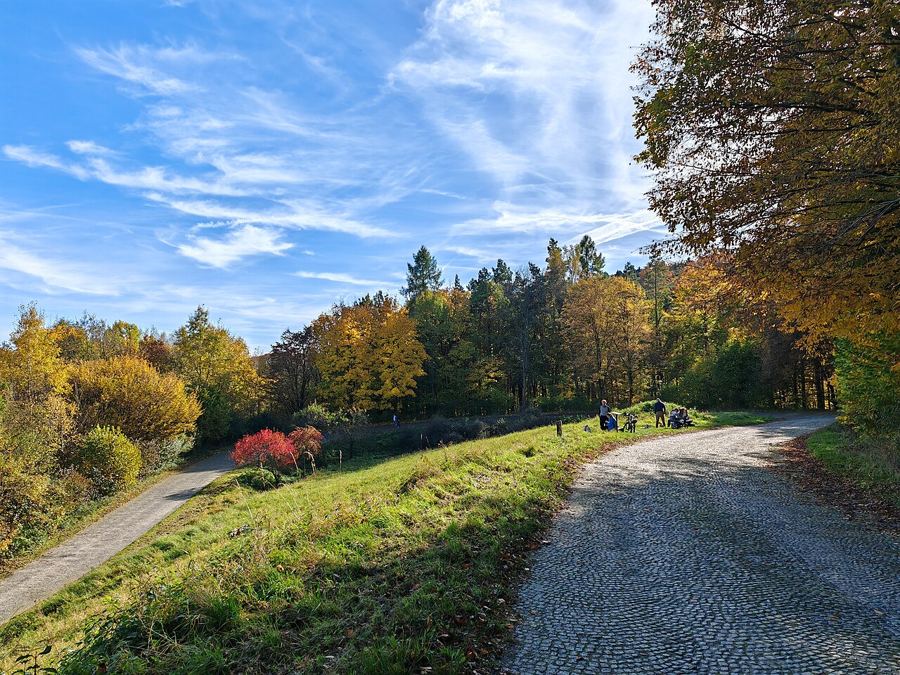 Limestone valleysWhat does Ojców’s limestone gorge hold?
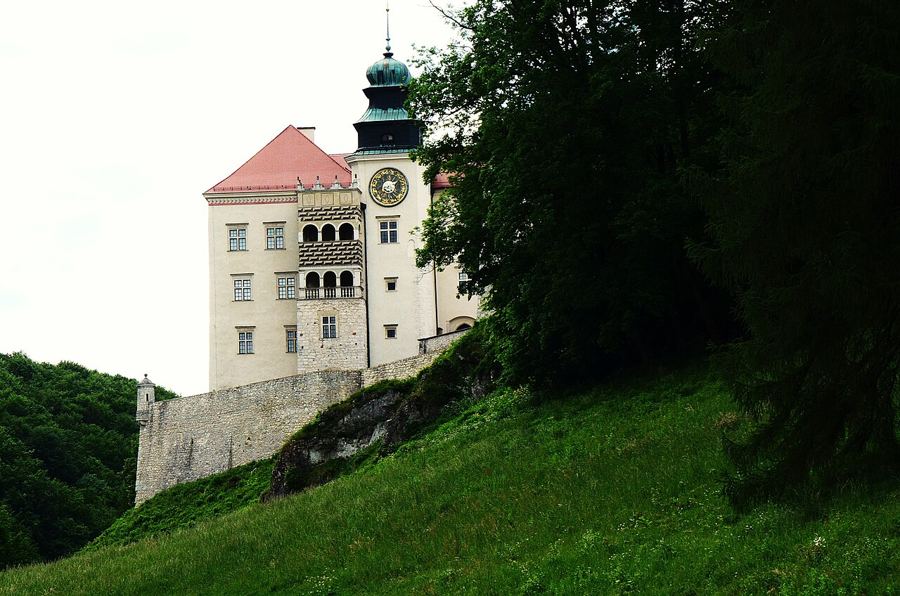 Limestone valleysHow do Pieskowa Skała and Hercules’ Club belong together?
Photographs used: Tadeusz Rząca — public domain the file; Аимаина хикари — CC0 1.0 Universal; Kanonkrajoznawczy — Creative Commons BY-SA 3.0; Adrian Tync — Creative Commons BY-SA 4.0; Dwxn — Creative Commons BY-SA 4.0; BogTar200917 — Creative Commons BY-SA 4.0
