- Period
- 13th century
- Distance
- 1 h by train from the Rynek
Bochnia: Kraków’s other salt mine
Older than Wieliczka, Bochnia carries its history underground: a mine worked from around 1248, now part of a World Heritage entry.
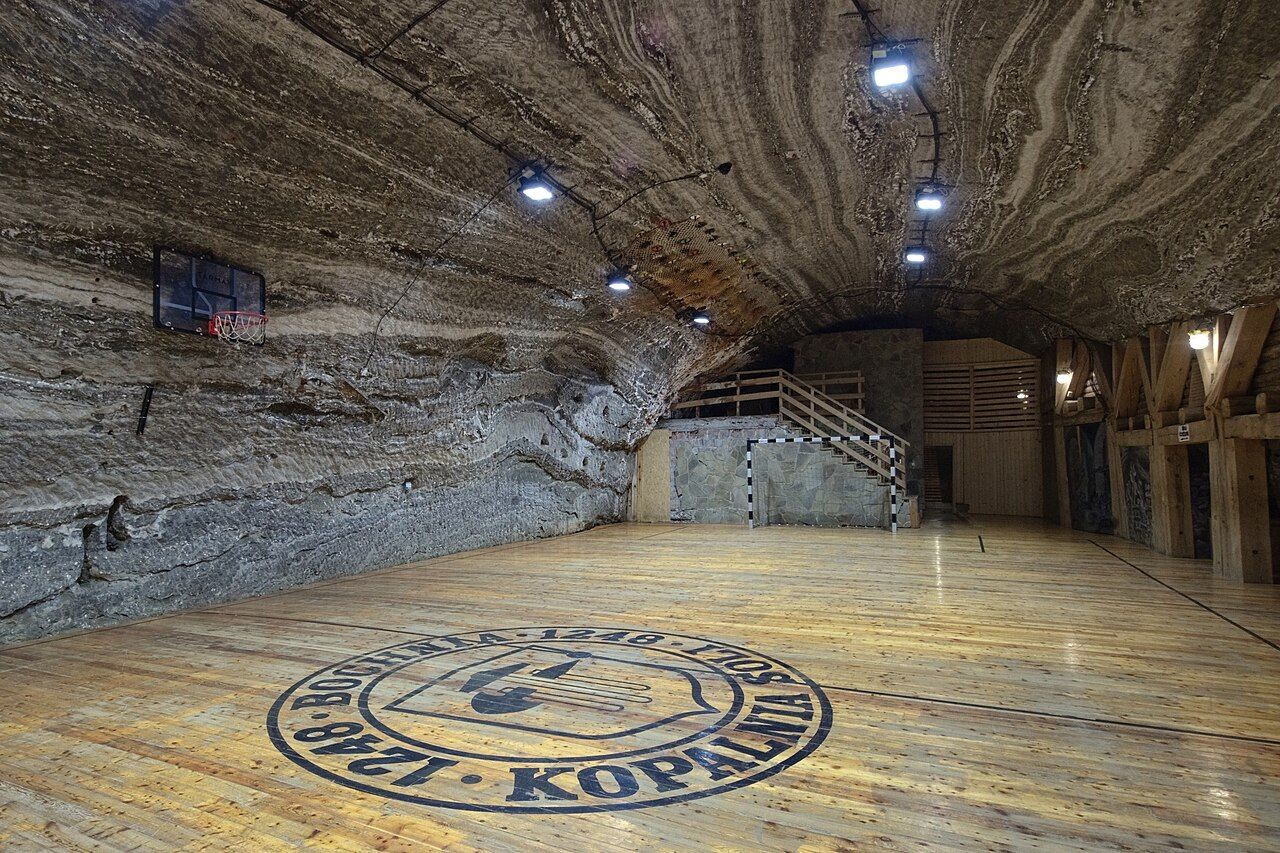
Rock salt was first mined at Bochnia around 1248, making this the oldest salt mine in Poland. It lies about 40 kilometres east of Kraków, and its history feels as though it keeps moving downwards, far beneath the familiar scale of streets and squares.
How does Bochnia differ from Wieliczka?
Bochnia is older than Wieliczka, but the two mines share a place in the World Heritage story. In 2013, the Bochnia Salt Mine was added to the World Heritage entry for the Royal Salt Mines. I like the quiet change of scale in that fact: a mine with its own long history joining a larger record.
The comparison also points towards the chapel carved from salt. Bochnia has its own Chapel of St Kinga, carved in the 18th century. Here, the story is not only about salt being taken from the earth; it is also about what was made within the mine.
What is there to know about the mine?
- Bochnia is about 40 kilometres east of Kraków.
- Rock salt was first mined here around 1248.
- The mine reaches a depth of about 470 metres.
- Commercial salt production stopped in 1990.
These facts make a particular shape of place: a working history that ended, and an underground world that still carries visitors through part of its depth. An underground railway does that work. I find the railway an apt detail for Bochnia, where distance and depth seem to belong to the same story.
Why does Bochnia stay with me?
Perhaps because it sits just beyond Kraków’s orbit, close enough to belong to the same journey, yet with a history that draws attention down rather than out. The mine’s age is easy to state; its scale takes longer to imagine. About 470 metres beneath the surface, the Chapel of St Kinga belongs to another measure of time, carved in the 18th century and still part of the mine’s story.
There are other threads on the wider map, including oscypek from Podhale.
Bochnia’s thread is salt: first mined here around 1248, carried through the mine’s history, and no longer commercially produced after 1990.
Bochnia feels like Kraków’s quieter companion, with a past that descends out of sight.
More from Around Kraków and beyond
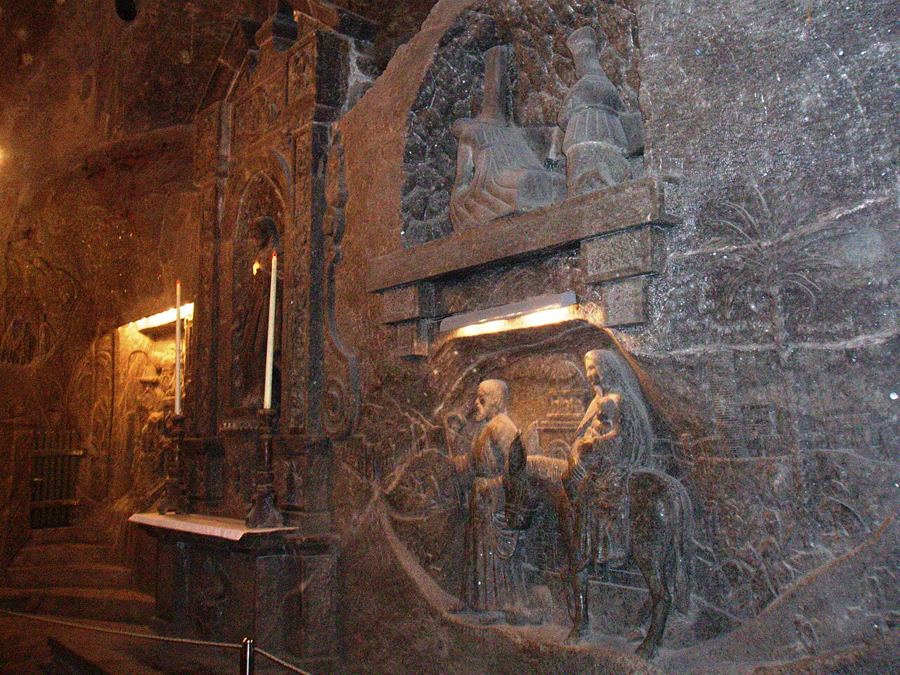 Salt undergroundDown into Wieliczka’s salt cathedral
 Limestone valleysWhat does Ojców’s limestone gorge hold?
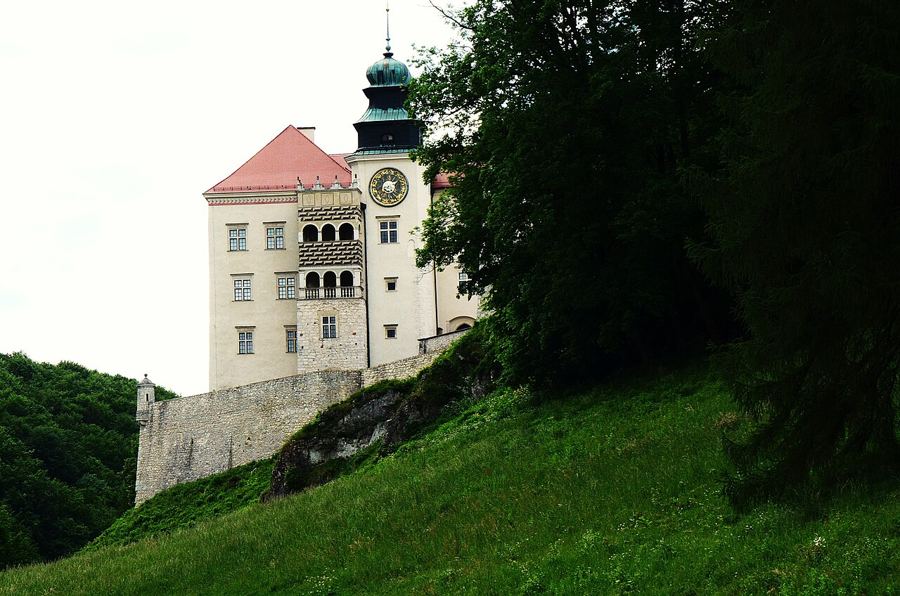 Limestone valleysHow do Pieskowa Skała and Hercules’ Club belong together?
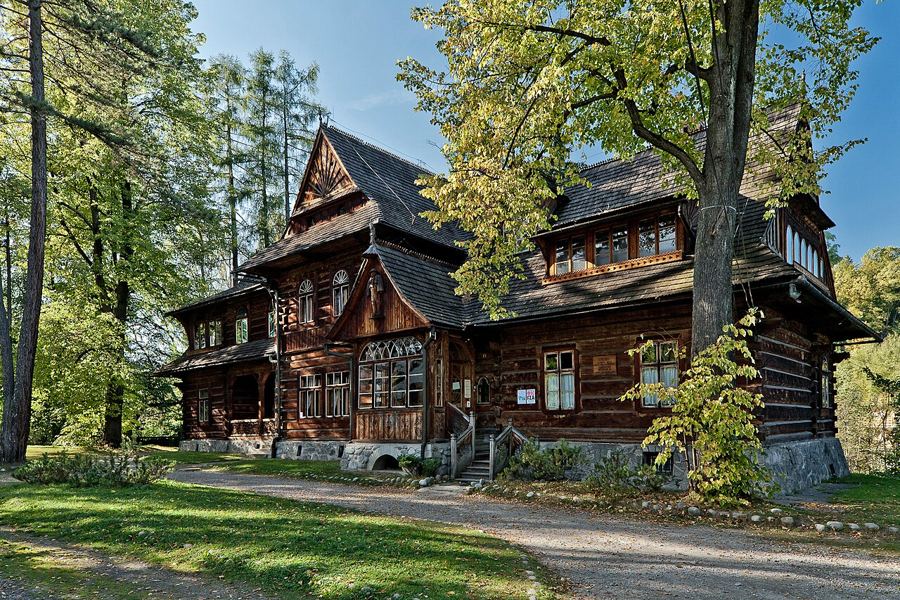 Podhale and the TatrasZakopane and the style that grew from it
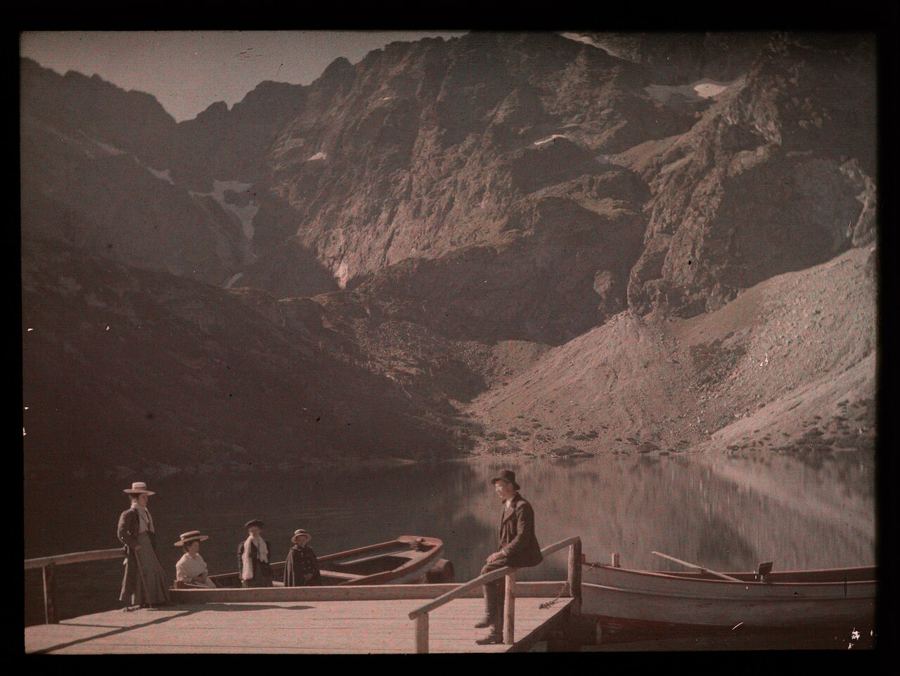 Podhale and the TatrasThe Tatras: what the ridge, lake and summits tell us
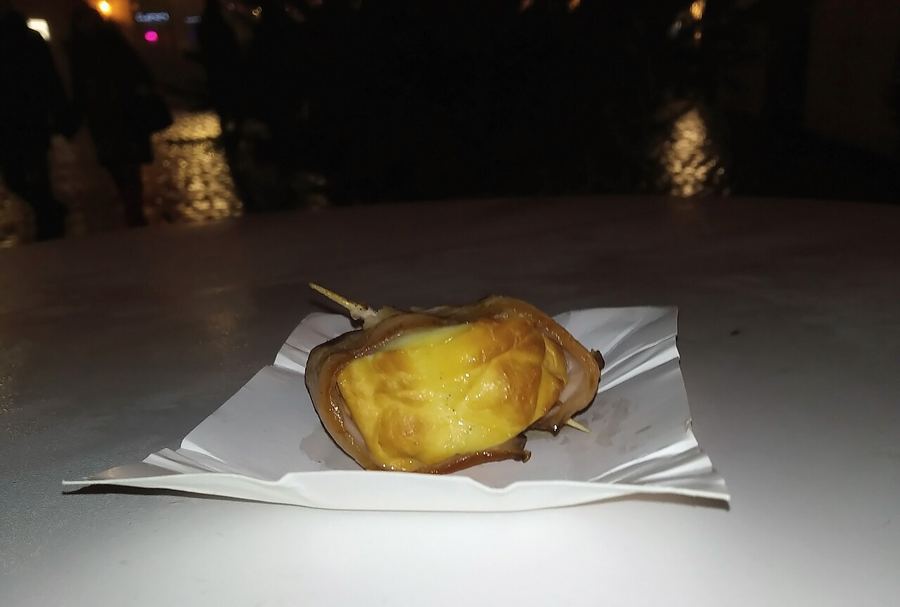 Podhale and the TatrasOscypek: a smoked cheese shaped by the grazing season
Photographs used: Kanonkrajoznawczy — Creative Commons BY-SA 3.0; Dwxn — Creative Commons BY-SA 4.0; BogTar200917 — Creative Commons BY-SA 4.0; Piotrekwas — Creative Commons BY-SA 3.0; Tadeusz Rząca — public domain the file; Аимаина хикари — CC0 1.0 Universal
