- Period
- 11th century; 18th century
- Distance
- 20 min from the Rynek
Skałka: the church and its crypt of the distinguished
At Skałka, the story of Bishop Stanislaus meets the graves of Polish writers, artists and scholars beneath the Baroque church.
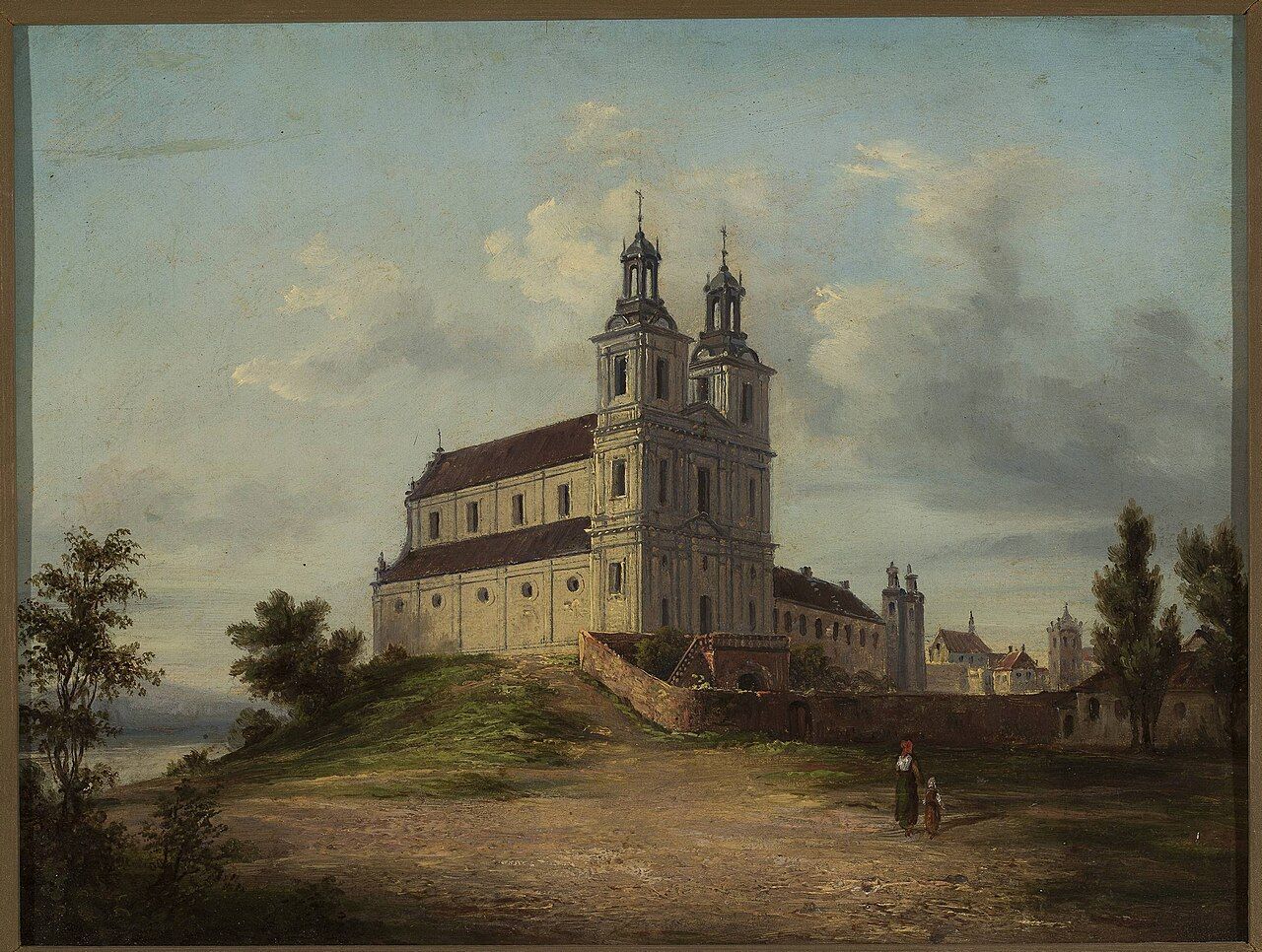
Skałka is the traditional place where Bishop Stanislaus of Szczepanów was killed in 1079, on the orders of King Bolesław II the Bold. Beneath the church is the Crypt of the Distinguished, where Polish writers, artists and scholars are buried. The two histories sit together here: a death that shaped the story of a saint, and a resting place for people whose work shaped Polish culture.
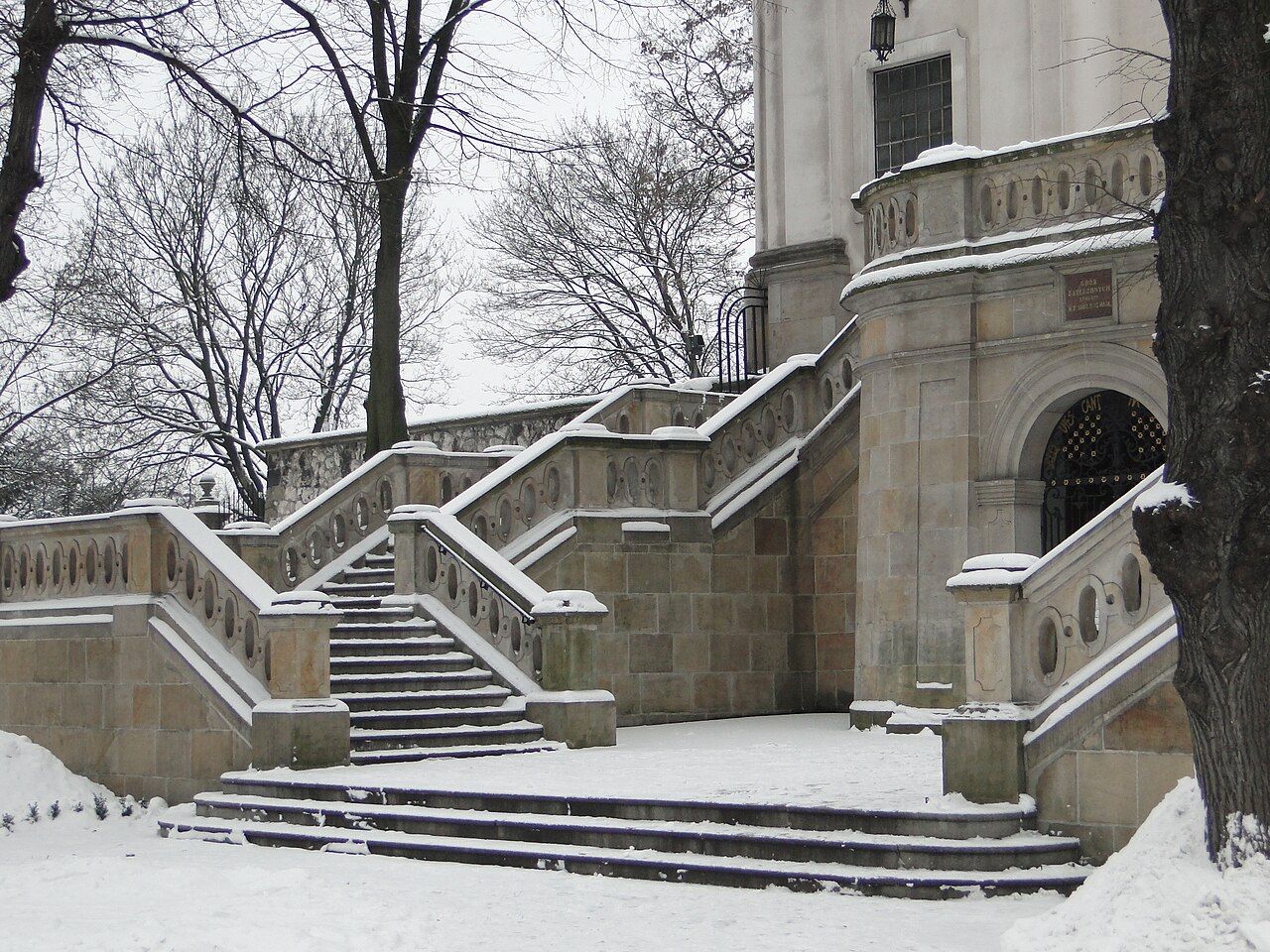
I find it helpful to hold those ideas side by side. Skałka is not only a church connected with a distant event, nor only a crypt of famous names. The present Baroque building belongs to a later chapter; the crypt adds its own roll of lives and work. In the courtyard, a stone-edged pool has a statue of St Stanislaus in the middle. Even that arrangement draws the eye back to the figure at the centre of Skałka’s story.
Is Skałka only the place where the bishop was killed?
Myth: Skałka is remembered for one event, and the rest is only a footnote.
Fact: The traditional account of Bishop Stanislaus’s death is central, but the church has a longer life. The Pauline Fathers have served it since the 15th century. The present Baroque church was built between 1733 and 1751. Those dates set the building apart from the event associated with the site, while keeping both within the same place.
I return to that difference in scale. The story of 1079 is sharply told: Bishop Stanislaus, King Bolesław II the Bold, and the place where the bishop was killed. The church takes longer to read. Its present form belongs to the 18th century, and its service by the Pauline Fathers reaches back to the 15th. I like the way these layers refuse to collapse into one another. The place does not become only a memorial to the killing, and the later church does not make the older story feel remote. They remain together, without becoming the same thing.
Is the crypt a pantheon of kings and saints?
Myth: A place of national remembrance must be reserved for rulers or religious figures.
Fact: The Crypt of the Distinguished beneath the Skałka church holds the graves of Polish writers, artists and scholars. The names include the chronicler Jan Długosz, reburied here in 1880; the painter Henryk Siemiradzki; Stanisław Wyspiański; Jacek Malczewski; and the composer Karol Szymanowski. The poet Czesław Miłosz, winner of the Nobel Prize in Literature, was buried in the crypt in 2004. The novelist Józef Ignacy Kraszewski was buried here in 1887.
The crypt can be read as a second national pantheon, made not of a single kind of distinction but of writers, artists and scholars gathered beneath one church. The list crosses forms of work and different periods. It is a particular kind of company: names known through writing, painting and music, held in one place after lives spent making very different things. I find that thought quietly affecting. A church built between 1733 and 1751 now contains a later record of cultural life, and the record is not closed by a single date or generation.
For me, this is how Skałka gets under the skin: through the shift between the story above and the names below, and through the way an ordinary description of the place keeps opening into another time. I think of the bishop’s traditional story, then of the long service of the Pauline Fathers, then of a crypt where the chronicler, the painter, the poet and the composer share the same address. The names are familiar in different ways, but the place gives them a quiet closeness. There is no need to make the church stand for only one thing. Its layers are enough. The courtyard pool, with the statue of St Stanislaus at its centre, belongs to that same set of associations for me: not an explanation, exactly, but a reminder of the person at the beginning of the story. I leave the thought there, with the old account and the later memorials held together.
Does the procession belong to another place?
Myth: Wawel and Skałka tell separate stories of St Stanislaus.
Fact: Each May, a procession carries the relics of St Stanislaus from Wawel to Skałka. It takes place on the Sunday after 8 May, the saint’s feast day. The procession connects the two places in a way the crypt’s list of names does not: by carrying the saint’s relics from one to the other.
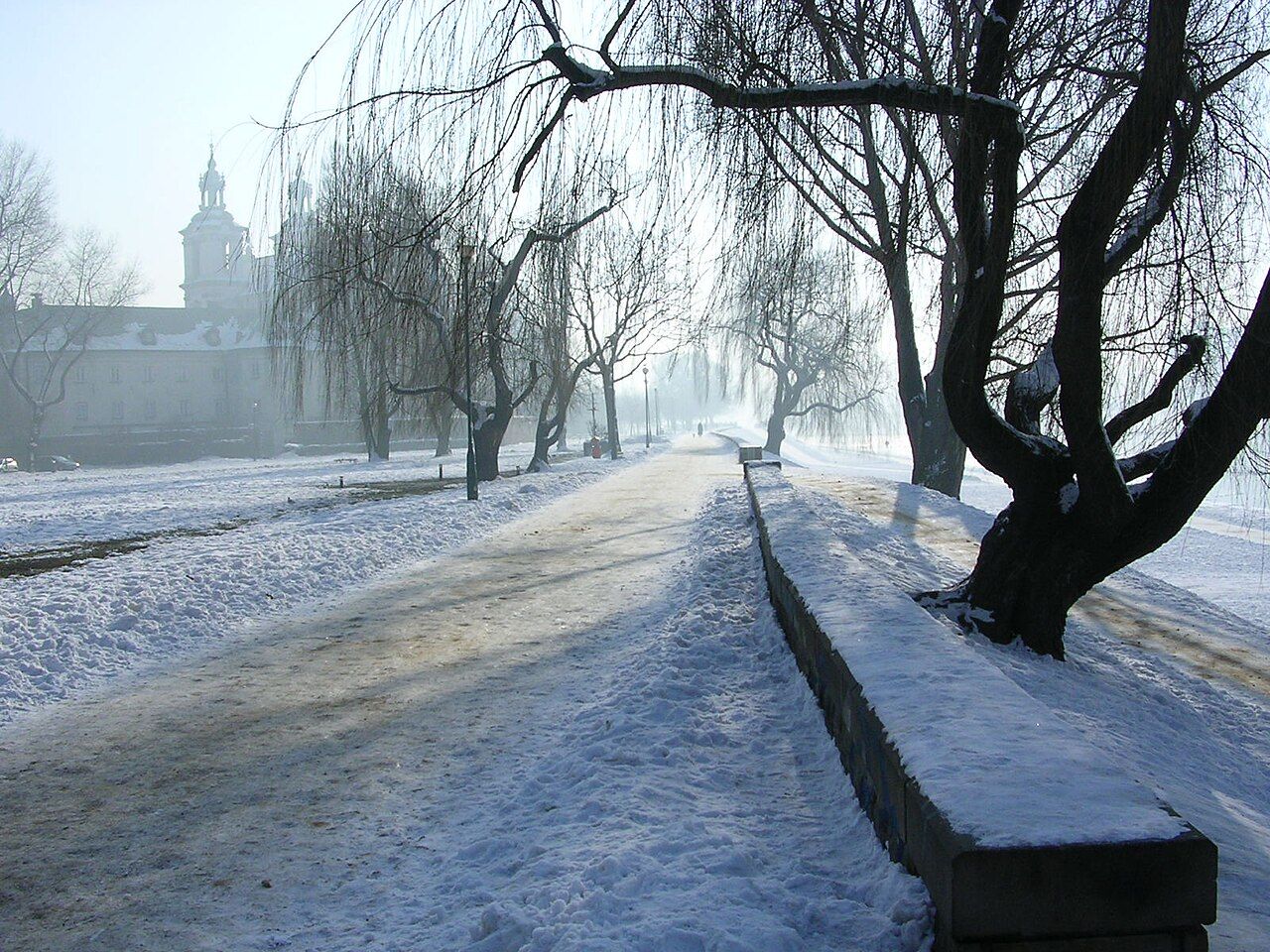
The starting point brings another part of the story to mind: [link:wawel-katedra|the silver coffin of the saint]. I find the procession’s direction significant in the simplest sense: it makes the connection between Wawel and Skałka visible, rather than leaving it as an association held only in memory.
What helps place Skałka in time?
- From Rynek: 20 min.
- The traditional account of Bishop Stanislaus’s death: 1079.
- The Pauline Fathers have served the church since the 15th century.
- The present Baroque church was built between 1733 and 1751.
- The procession takes place each May, on the Sunday after 8 May.
The church holds one history above ground and another beneath it.
The church holds one history above ground and another beneath it.
I do not think of Skałka as a single answer to a question about the past. Its meaning gathers in layers: the traditional place of the bishop’s death, the church served by the Pauline Fathers, the crypt of distinguished lives, and the May procession from Wawel. The stone-edged pool and its statue give the courtyard a quieter point of focus. Together, these details make Skałka feel less like a monument to one moment than a place where several kinds of remembrance continue to meet.
More from Kazimierz and beyond
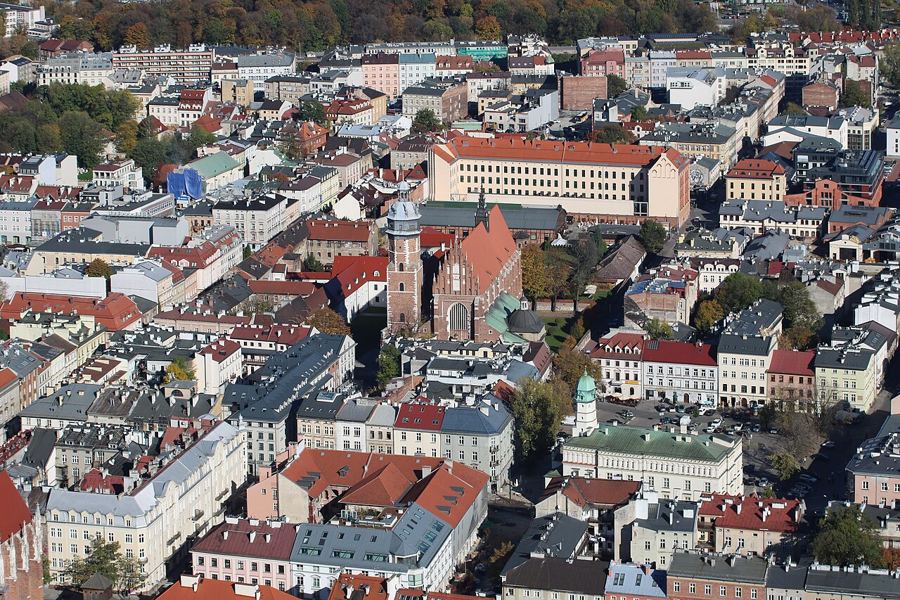 Churches by the riverHow does Corpus Christi tell the story of Christian Kazimierz?
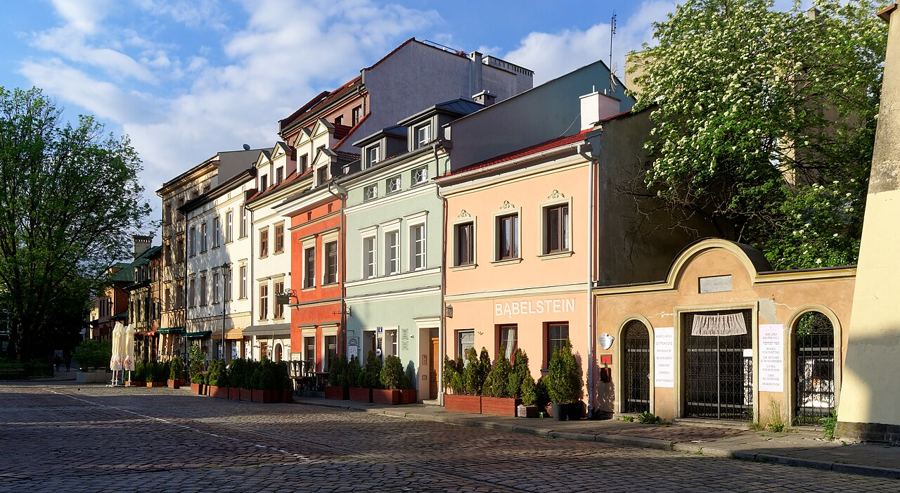 Squares and the island townHow can Kazimierz still feel like a town on an island?
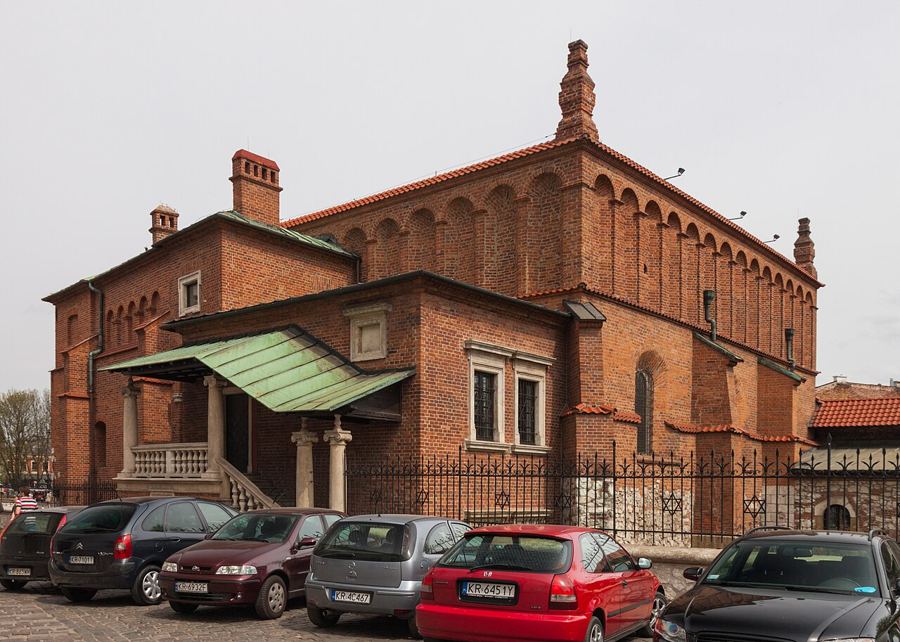 SynagoguesWhat does the Old Synagogue hold in one prayer hall?
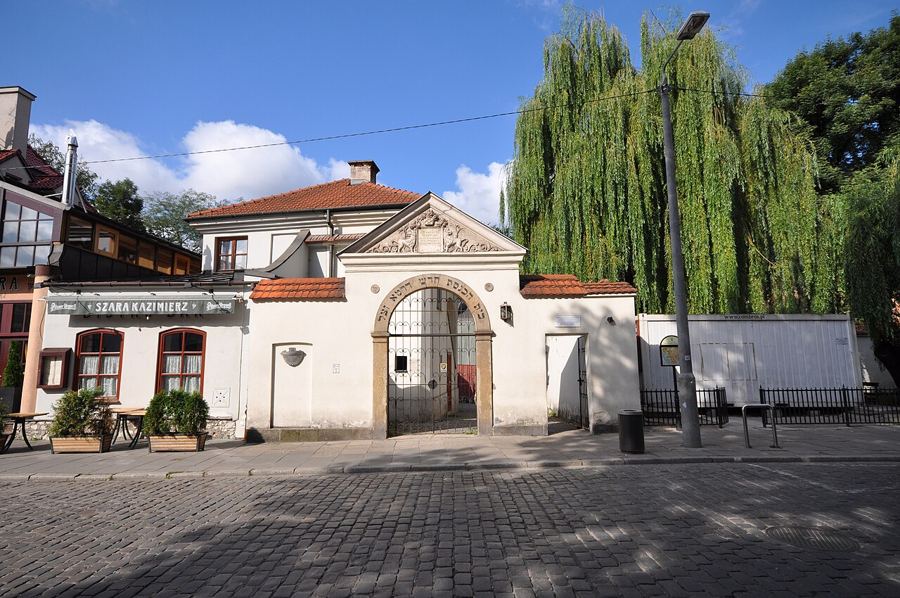 SynagoguesIs the Remuh Synagogue only a memory?
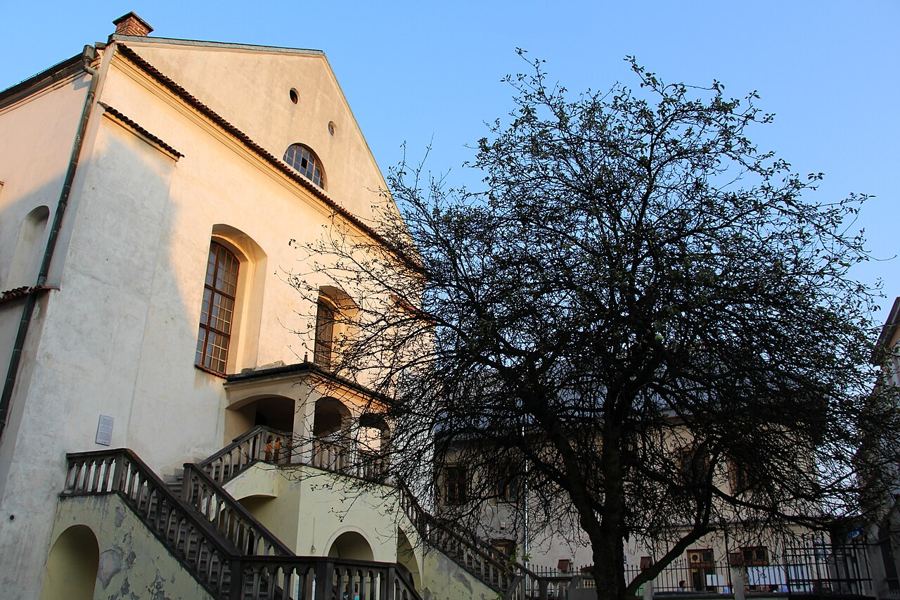 SynagoguesIzaak's Synagogue and the scale of seventeenth-century Kazimierz
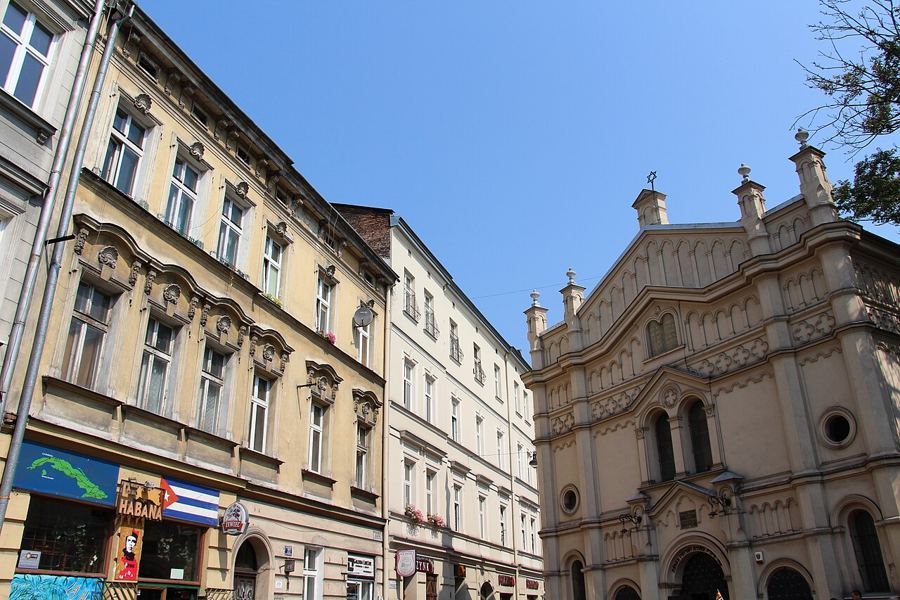 SynagoguesWhat does the stained glass tell me at Tempel Synagogue?
Photographs used: Ingo Mehling — Creative Commons BY-SA 4.0; Jakub Hałun — Creative Commons BY-SA 4.0; Marcin Konsek — Creative Commons BY-SA 4.0; Jorge Láscar from Australia — Creative Commons BY 2.0; Fred Romero from Paris, France — Creative Commons BY 2.0; Fred Romero from Paris, France — Creative Commons BY 2.0