- Period
- 1930s
- Distance
- 1 h from the Rynek
Piłsudski Mound: soil from the battlefields of independence
On Sowiniec Hill, Kraków’s largest mound holds soil from First World War battlefields where Polish soldiers fought, and opens a view across the city.
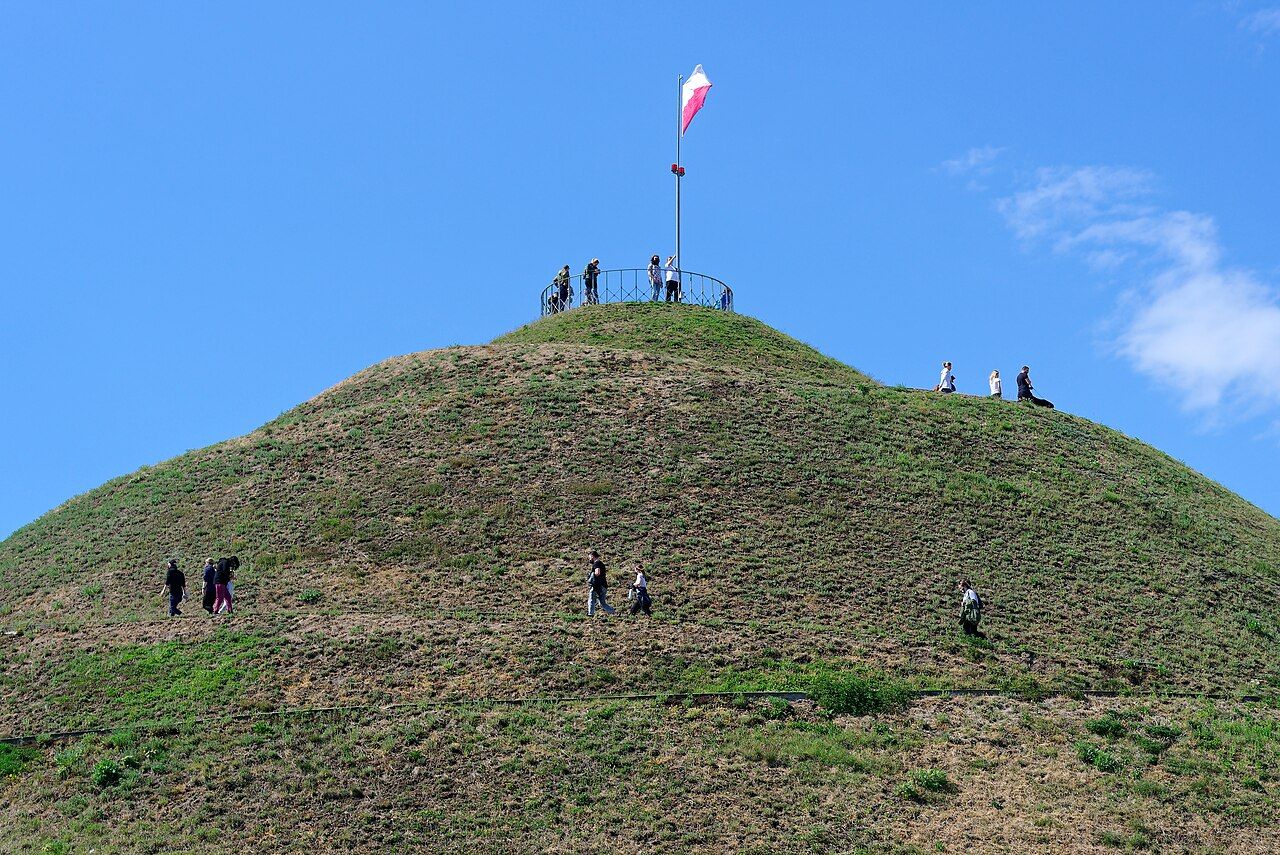
What is Piłsudski Mound?
Piłsudski Mound stands on Sowiniec Hill in the Wolski Forest. At about 35 metres high, it is the largest of the Kraków mounds. The scale is part of its meaning: earth raised into a monument, with the city and its surroundings spread out from the top. I find it hard to separate the physical mound from the feeling of time held in it.
Why is there battlefield soil in it?
The mound was first raised as a monument to Polish independence. Soil from First World War battlefields where Polish soldiers fought was placed in it. I keep coming back to that detail. The ground here is not only the material of a large construction; it also carries an association with places where Polish soldiers fought. That gives the mound a quiet weight, even before its height or its view comes into consideration.
Building began in 1934 and was completed in 1937. It was later named after Józef Piłsudski. Neglect by the communist authorities followed the Second World War. Those details make its story feel especially bound to the changing fortunes of remembrance. I am drawn to the contrast between a monument made from gathered earth and the period of neglect that followed. It is a simple, solemn idea: soil brought together in one place, and a name that links the mound to Polish independence.
What are the practical details?
- Location: Sowiniec Hill, in the Wolski Forest.
- Height: about 35 metres; the largest of the Kraków mounds.
- Building: began in 1934 and was completed in 1937.
- Forest paths lead to the mound from the Kraków Zoo and the Bielany side.
What can be seen from the mound?
The view takes in Kraków and the Vistula valley. On clear days, it reaches the Tatras. I like the breadth of that outlook as a counterpoint to the mound’s close connection with the earth beneath it: the story begins with battlefields and gathered soil, then opens out across the city and beyond.
It belongs in a wider thought of Kraków’s mounds, including the mound raised for Kościuszko. The two names sit together in my mind, each attached to a mound and a history of remembrance.
More from Zwierzyniec and the West and beyond
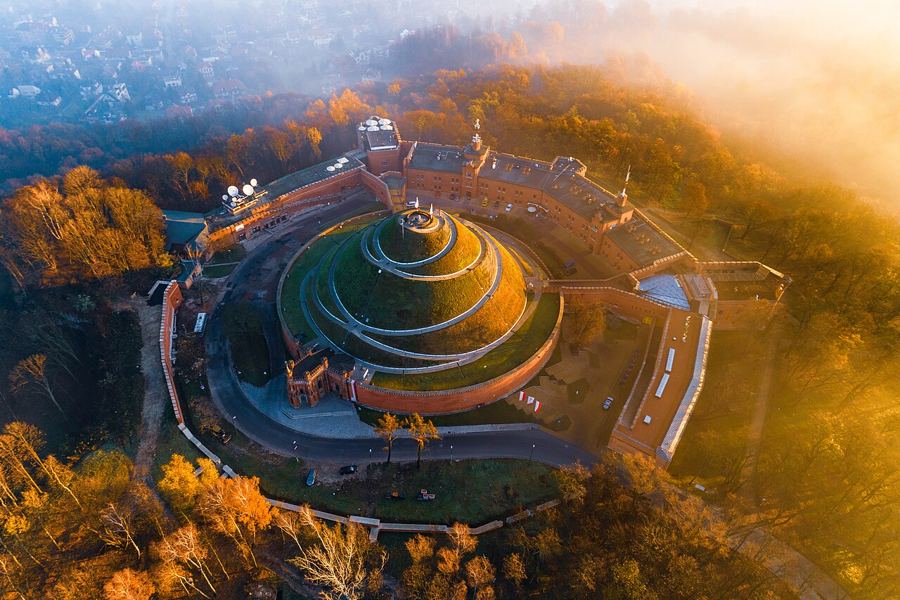 MoundsA mound built for Kościuszko
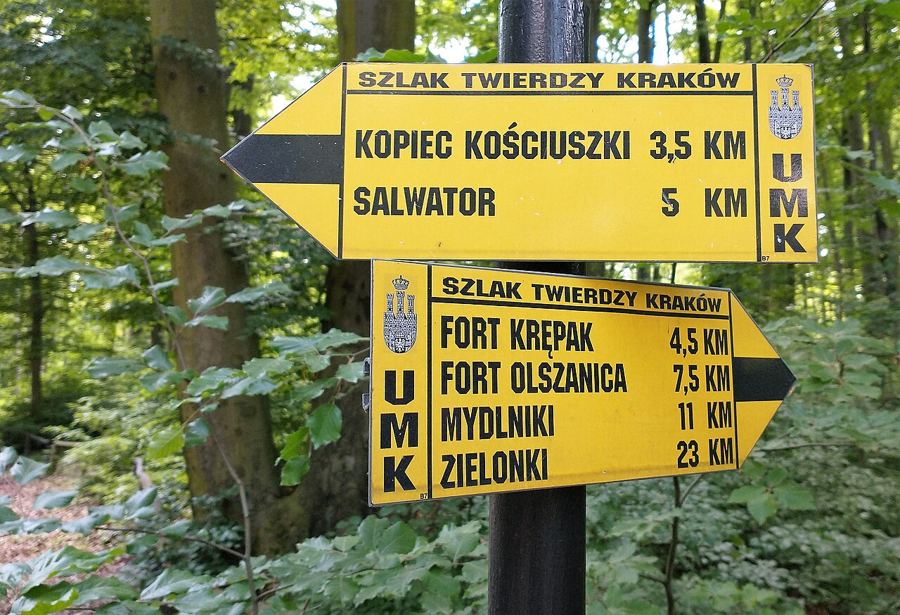 Forest and hermitageThe Wolski Forest at Kraków’s edge
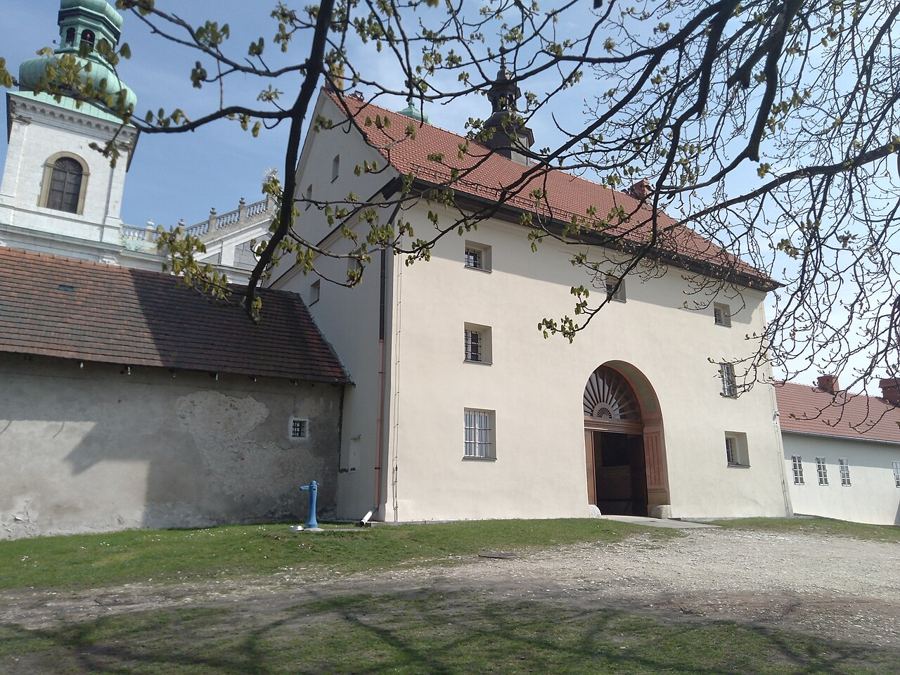 Forest and hermitageHow does Bielany hold its silence?
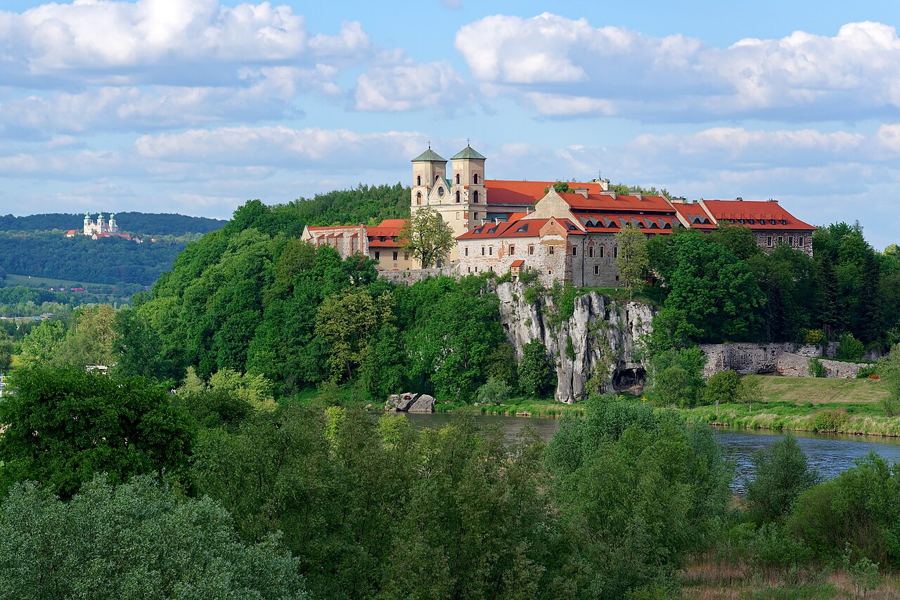 Along the VistulaTyniec Abbey, where the river leads out of Kraków
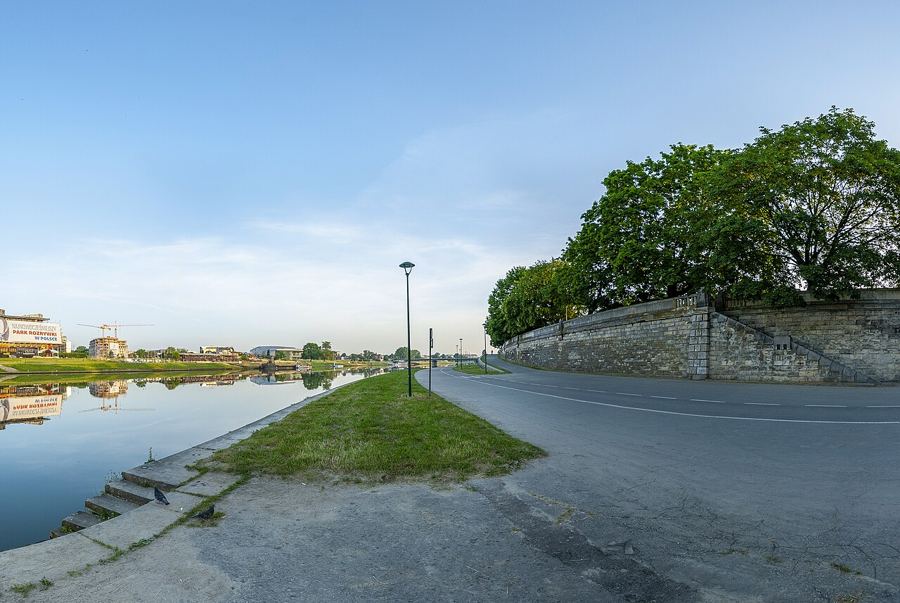 Along the VistulaWalking the Vistula boulevards
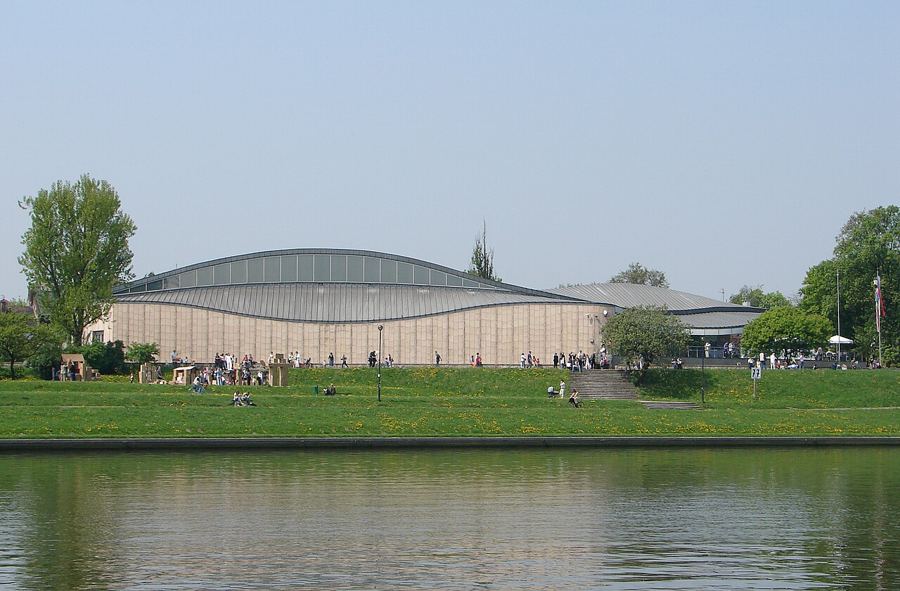 Along the VistulaJapan on the bank opposite Wawel
Photographs used: Pawelsuder — Creative Commons BY-SA 4.0; MOs810 — Creative Commons BY-SA 4.0; Kkuba678 — Creative Commons BY-SA 4.0; Jakub Hałun — Creative Commons BY-SA 4.0; Panoramer360 — Creative Commons BY-SA 4.0; Luke_33 — Creative Commons BY 2.5