- Period
- 20th century
- Distance
- 50 min from the Rynek
The Wolski Forest at Kraków’s edge
A city forest of limestone hills, marked paths and old trees, with the zoo, Piłsudski Mound and the Bielany hermitage among its landmarks.
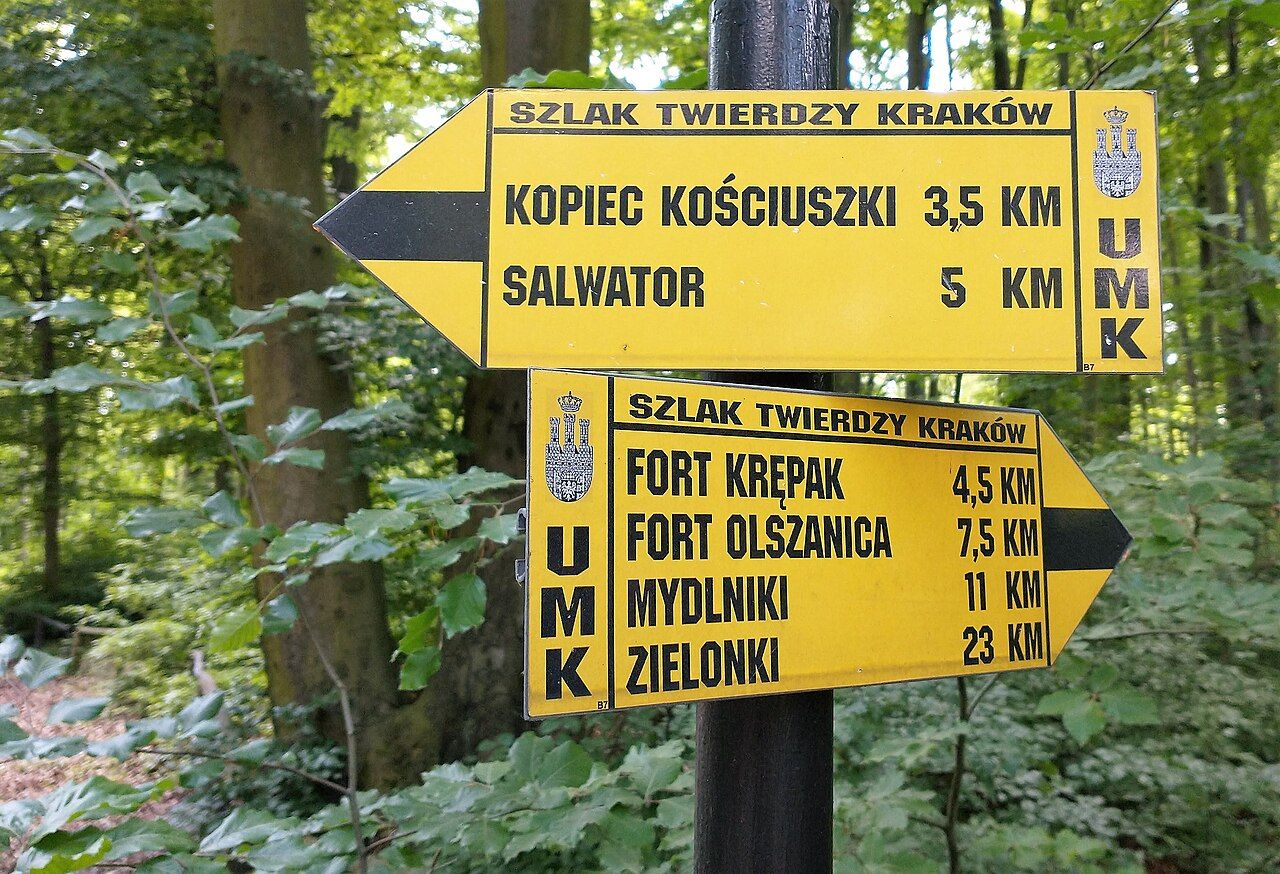
Beech, oak and hornbeam cover limestone hills on Kraków’s western side. The paths cross the trees, and beyond them the city remains part of the same picture. I find that combination hard to put aside: the Wolski Forest is a large stretch of woodland, but it sits within the city, not beyond it.
Is it just a patch of green at the edge?
Myth: The forest is a small fringe, a place to pass through on the way somewhere else.
Fact: At about 420 hectares, the Wolski Forest is the largest forest in Kraków. It grows on limestone hills at the southern end of the Polish Jura. The city bought it in 1917 to keep it as a public park. That purpose still feels legible in the idea of a forest held open for the city: not a remnant left behind, but woodland made part of its life.
There is a particular tenderness in that arrangement. The trees are not scenery beyond the city’s reach. They are beech, oak and hornbeam on familiar city ground, and I like to think of the forest as a pause that belongs to Kraków as much as its streets do. It can be difficult to hold both scales together: the woodland has hills and reserves, while its paths cross between Zwierzyniec, Przegorzały and Bielany. I do not need to turn it into a distant wilderness to feel its pull. Its closeness is part of the point.
Does the forest have only one kind of visitor?
Myth: A forest is simply trees and walking paths.
Fact: The Kraków Zoo opened here in 1929. Piłsudski Mound and the Bielany hermitage also stand within the forest. These places give the woodland more than one shape in the mind: trees and hills, a zoo, a mound, a hermitage. The Bielany hermitage has a quiet weight in that list, and I find myself linking it with the white monastery of the hermits, as though a name can open a small door in the larger landscape.
The forest is managed by Zarząd Zieleni Miejskiej, the city’s green spaces authority. Several nature reserves and protected trees lie within it. These are not separate ideas from the forest around them; they belong to the same place, where a public park and protected ground sit within Kraków’s limits.
What can I keep in mind?
- About 420 hectares, on Kraków’s western side.
- Marked walking paths cross between Zwierzyniec, Przegorzały and Bielany.
- The zoo, Piłsudski Mound and the Bielany hermitage are within the forest.
- Beech, oak and hornbeam are its main trees.
Is it really a wild place inside the city?
Myth: If a forest is inside a city, it cannot feel like a forest.
Fact: The Wolski Forest is the largest forest in Kraków, set across limestone hills and crossed by marked paths. Its reserves and protected trees make clear that this is more than a green interval between buildings. At the same time, it is unmistakably a city forest: the city bought it as a public park, and its paths link neighbourhoods on the western side.
That closeness is what has got under my skin. The forest does not ask to be imagined as an escape from Kraków; it gives the city another scale. I think of the change from the names of neighbourhoods to the names of trees, from the marked paths to the limestone under them. Then the landmarks return: the zoo that opened here in 1929, Piłsudski Mound, the Bielany hermitage. They do not cancel the feeling of woodland. They make it harder to separate the forest from the city that kept it as a public park. I have a soft spot for places that resist a single description, and this one holds together forest, public ground and city without becoming less itself.
For me, the Wolski Forest is Kraków’s most generous edge.
More from Zwierzyniec and the West and beyond
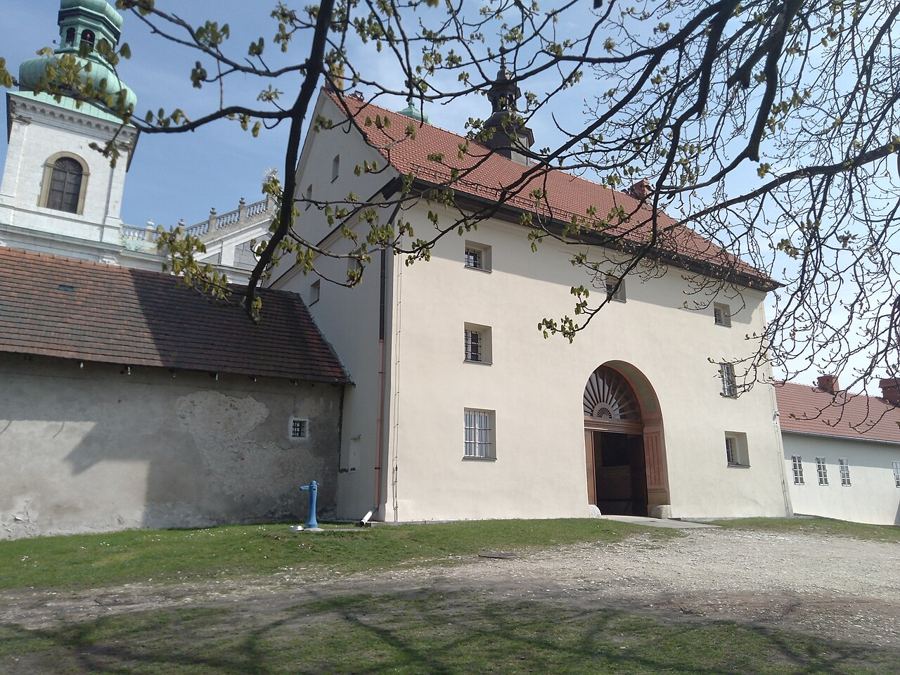 Forest and hermitageHow does Bielany hold its silence?
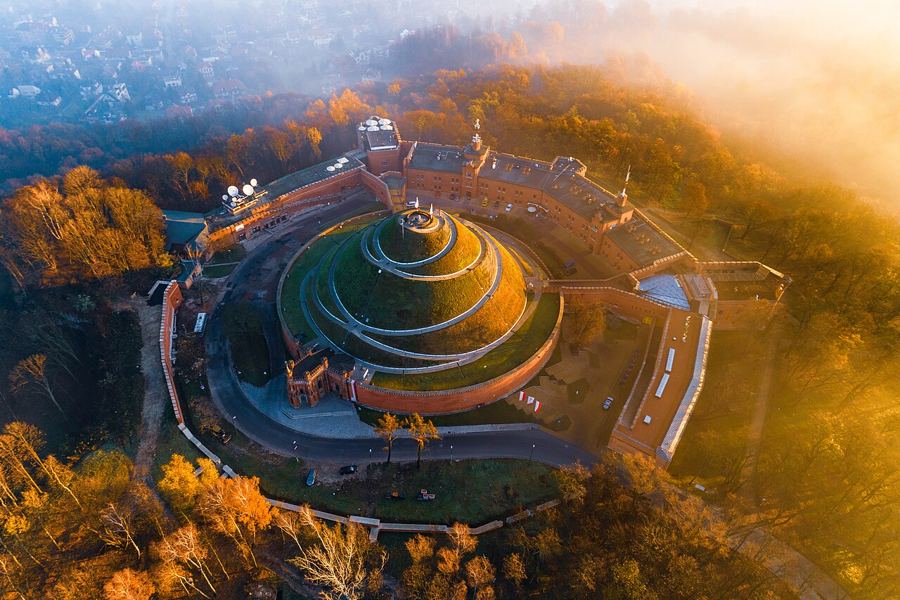 MoundsA mound built for Kościuszko
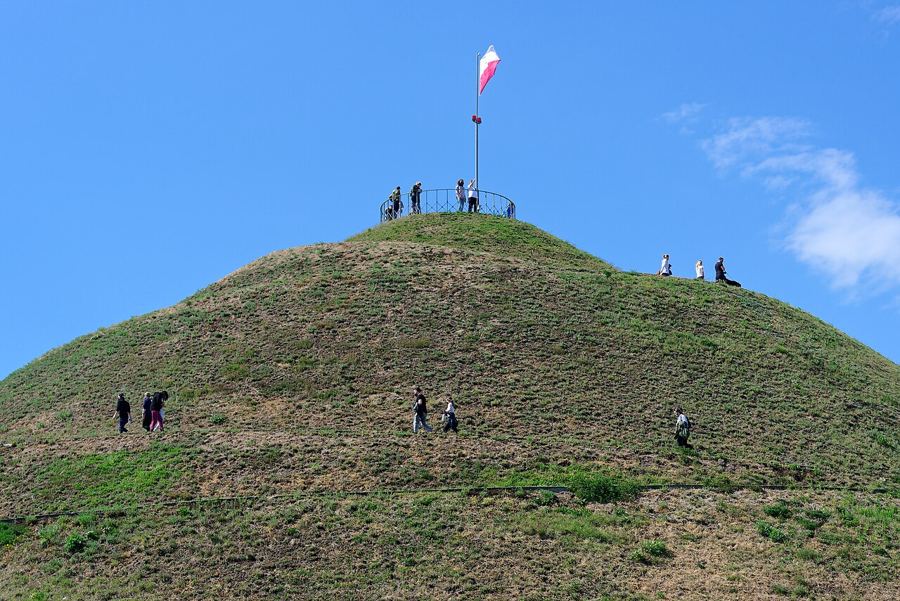 MoundsPiłsudski Mound: soil from the battlefields of independence
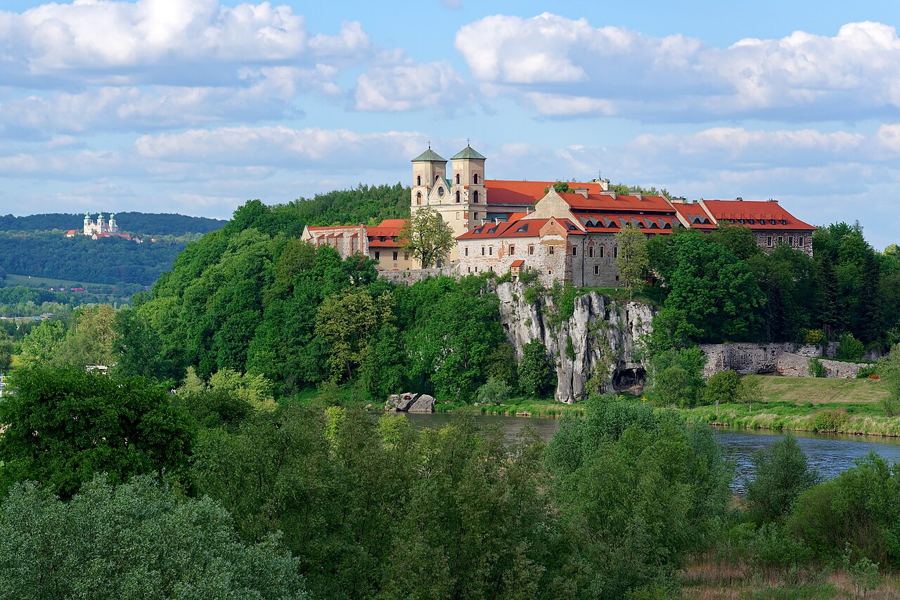 Along the VistulaTyniec Abbey, where the river leads out of Kraków
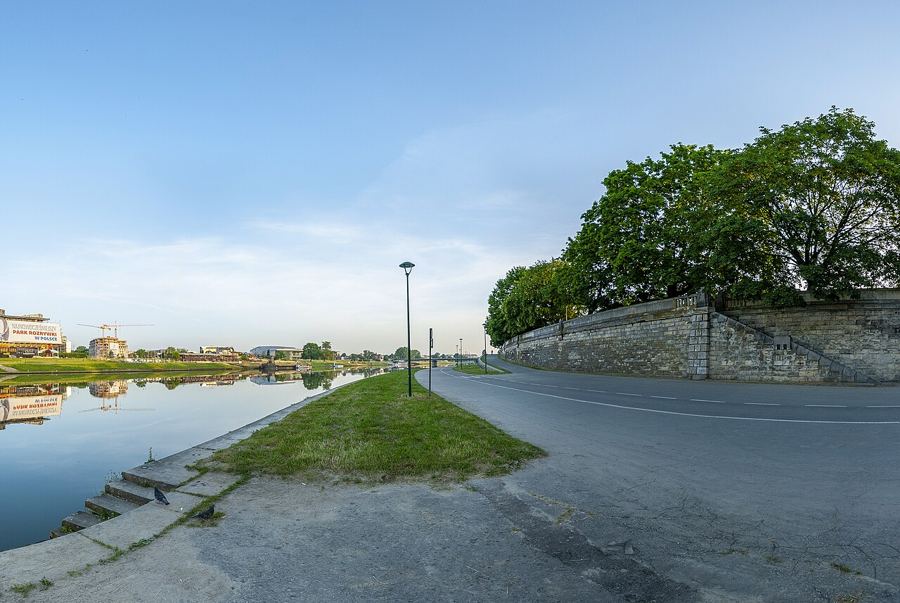 Along the VistulaWalking the Vistula boulevards
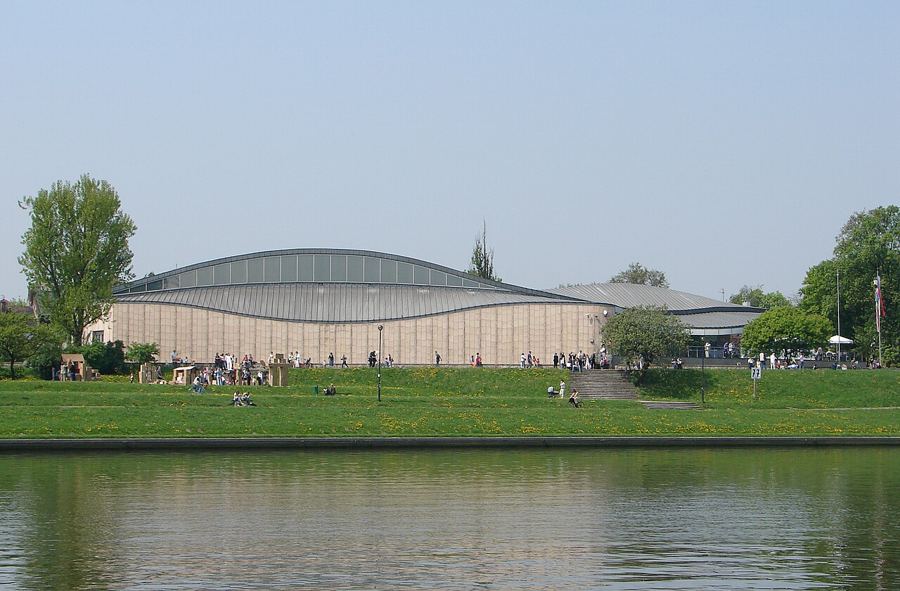 Along the VistulaJapan on the bank opposite Wawel
Photographs used: Kkuba678 — Creative Commons BY-SA 4.0; Pawelsuder — Creative Commons BY-SA 4.0; Jakub Hałun — Creative Commons BY-SA 4.0; Jakub Hałun — Creative Commons BY-SA 4.0; Panoramer360 — Creative Commons BY-SA 4.0; Luke_33 — Creative Commons BY 2.5