- Period
- 17th century
- Distance
- 1 h from the Rynek
How does Bielany hold its silence?
At Bielany, the white church stands above the forest while the Camaldolese live apart in small houses. I begin with the hill, then the history and the rules for visitors.
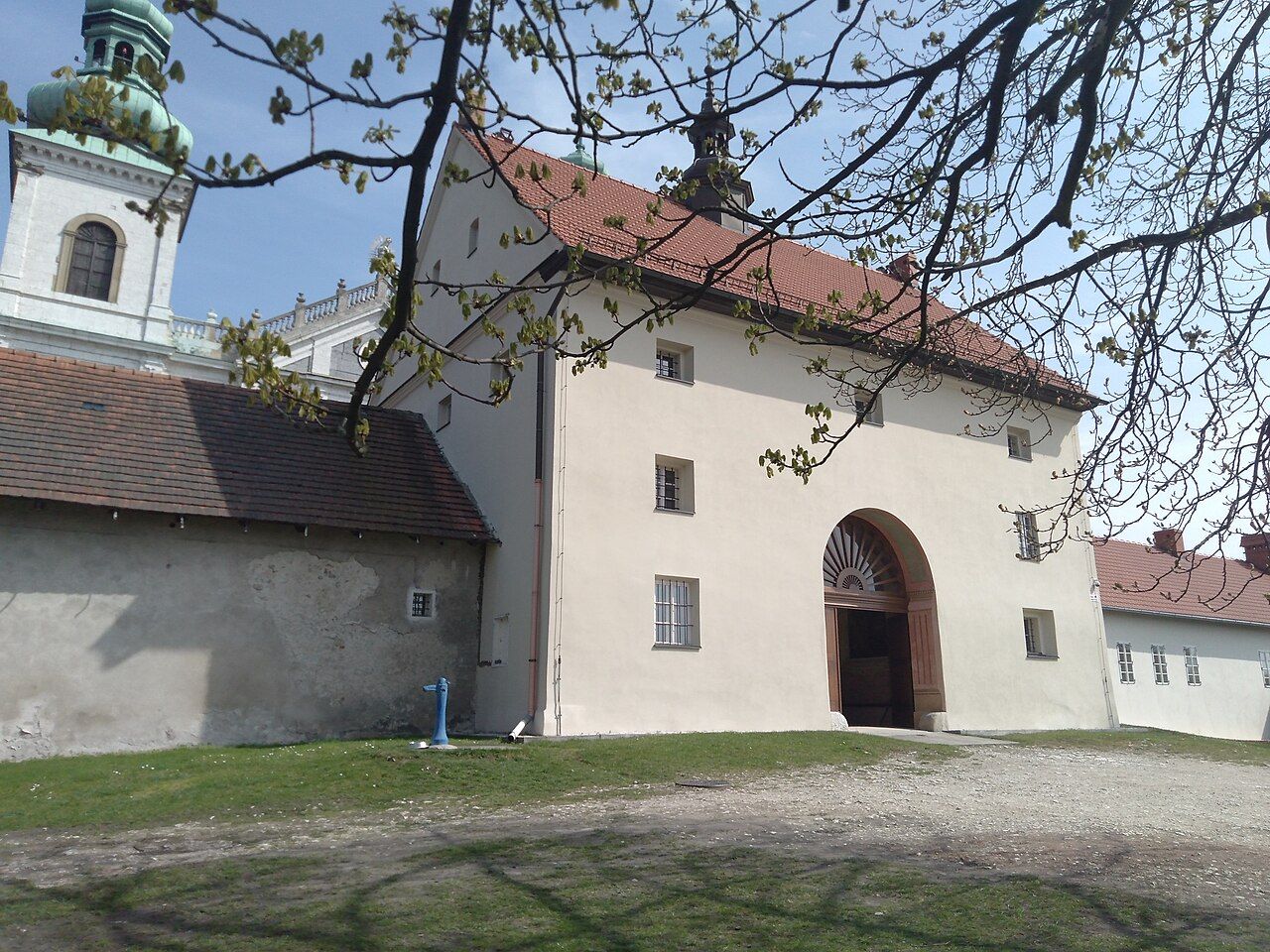
The Camaldolese hermitage stands on Srebrna Góra, the Silver Hill, at Bielany in western Kraków. Its white stone church rises above the forest, its façade visible from the Vistula. I find myself beginning with that contrast: a clear white face above a mass of trees, and a life organised around solitude behind the hermitage walls.
How does the hill first come into view?
Start with the setting. Srebrna Góra is not simply a name on a hill; it gives the hermitage its place above the forest. The church’s façade can be seen from the Vistula. I like the thought of this landmark being visible from the river, while the monks’ own lives remain within the walls and apart from the view.
Then follow the church’s history. Mikołaj Wolski brought the Camaldolese monks to the hill in 1603. The church was built between 1609 and 1630. Those dates give the white façade a long beginning, rather than making it seem only a striking shape above the trees.
Keep the founder in the story. Mikołaj Wolski is buried in the church he helped bring into being. His grave makes the history feel close to the place: the founder is not only part of the account of the hermitage, but rests inside its church.
What does the hermitage ask visitors to understand?
The Camaldolese order follows the rule of St Romuald, which combines community life with solitude. The monks live in small, separate houses within the walled hermitage. I find that arrangement quietly legible: a shared religious life, and a measure of separation within it. The church stands above the forest; the houses hold a more private rhythm that visitors cannot simply treat as scenery.
The history of the crypt is another part of that inward life. Bodies of dead monks were long placed in niches there and sealed. I pause over the plainness of that fact. It says something about the order’s relation to solitude and death without needing a grand description around it.
How should a visit be approached?
The first practical point is that access is not the same for everyone. These are the rules as I hold them in mind, before making the church the whole story.
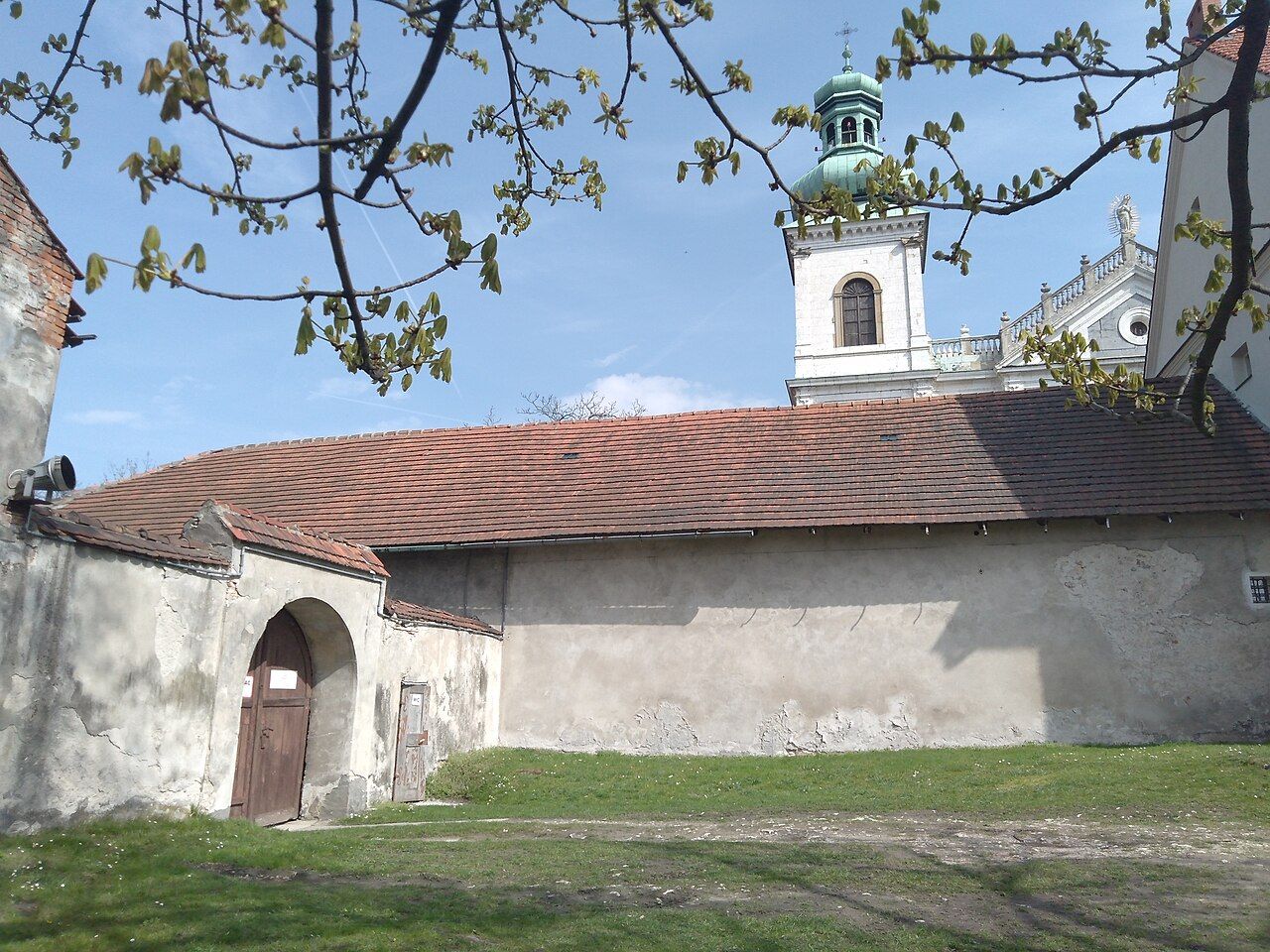
What are the visitor rules?
Women may visit the hermitage church only on a few days in the year.
Men may visit the hermitage on most days.
The monks’ small separate houses belong to the life within the walled hermitage; the church and the wider monastic life are not the same thing.
That distinction matters. The church is the visible centre of the story, but the hermitage is also a place of enclosed life. I would keep both in view: the façade rising above the forest, and the separate houses within the walls. The first can be seen from the Vistula. The second belongs to the Camaldolese rhythm of community and solitude.
There is a different monastic history to consider at the Benedictines downriver, but Bielany has its own particular balance: the founder buried in the church, the crypt’s sealed niches, and the monks living apart in small houses. I leave the hill in my mind as a place where the visible and the withdrawn stand close together.
I find Bielany most affecting in that meeting of white stone and chosen solitude.
More from Zwierzyniec and the West and beyond
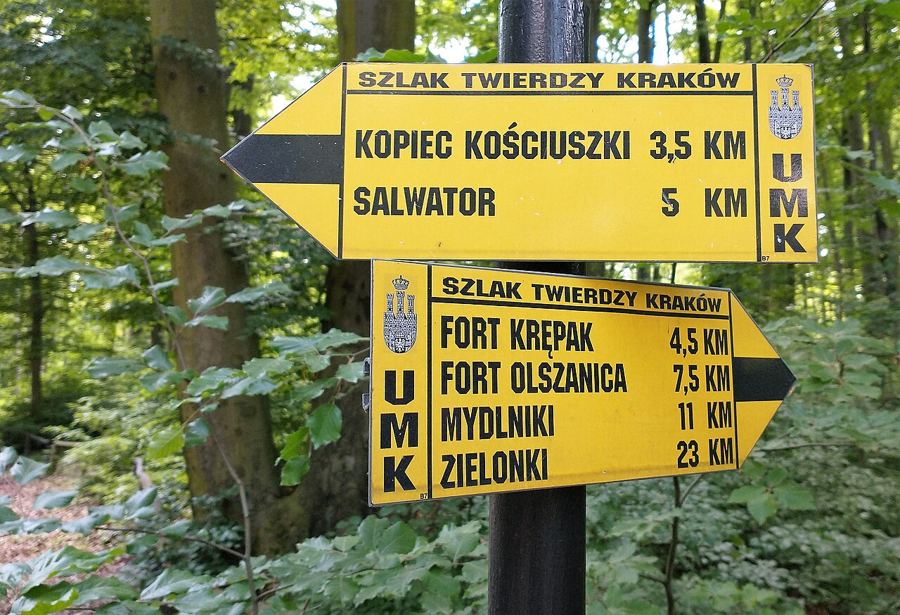 Forest and hermitageThe Wolski Forest at Kraków’s edge
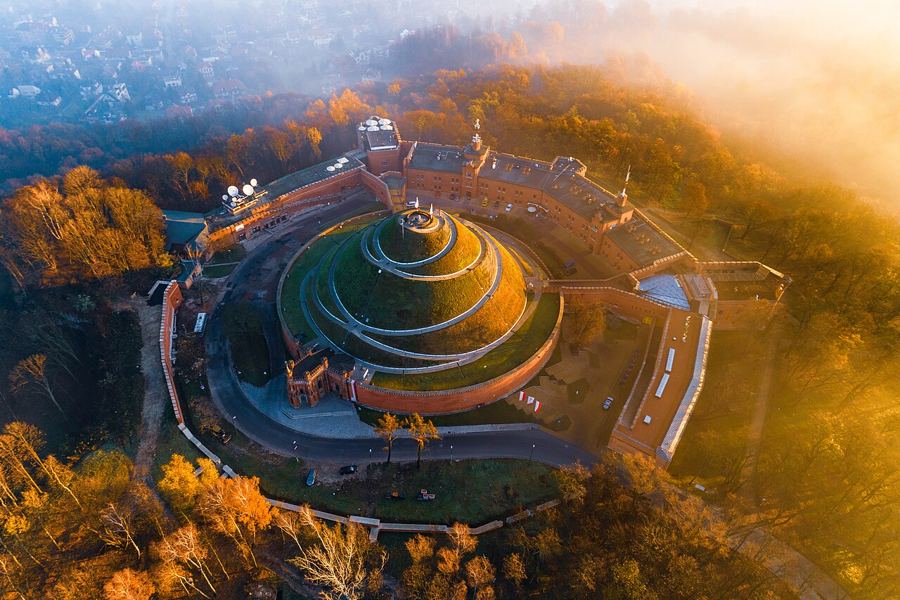 MoundsA mound built for Kościuszko
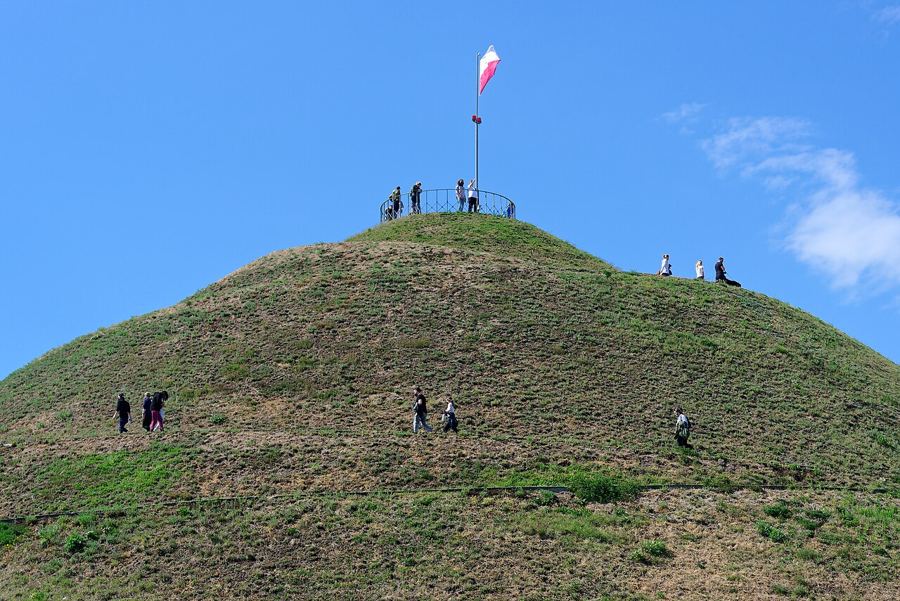 MoundsPiłsudski Mound: soil from the battlefields of independence
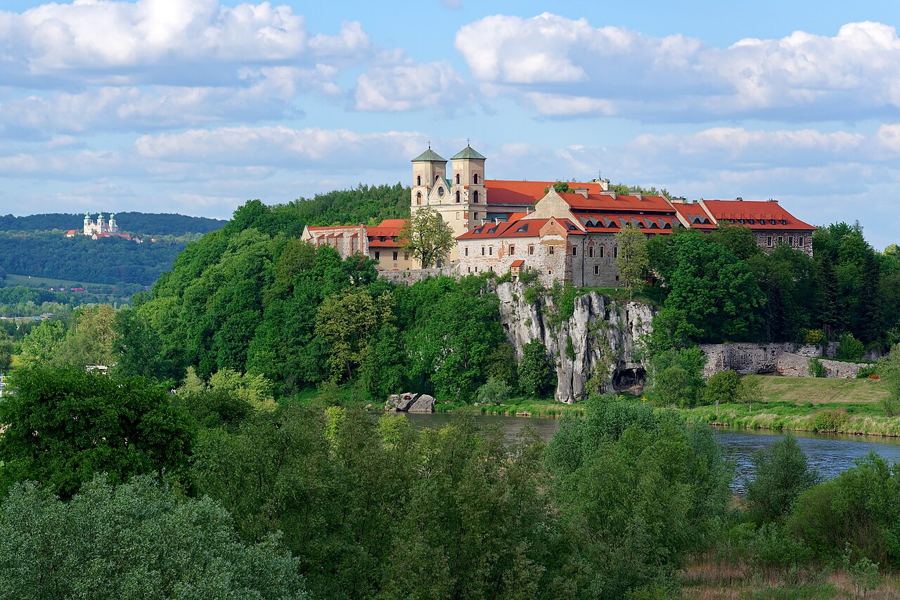 Along the VistulaTyniec Abbey, where the river leads out of Kraków
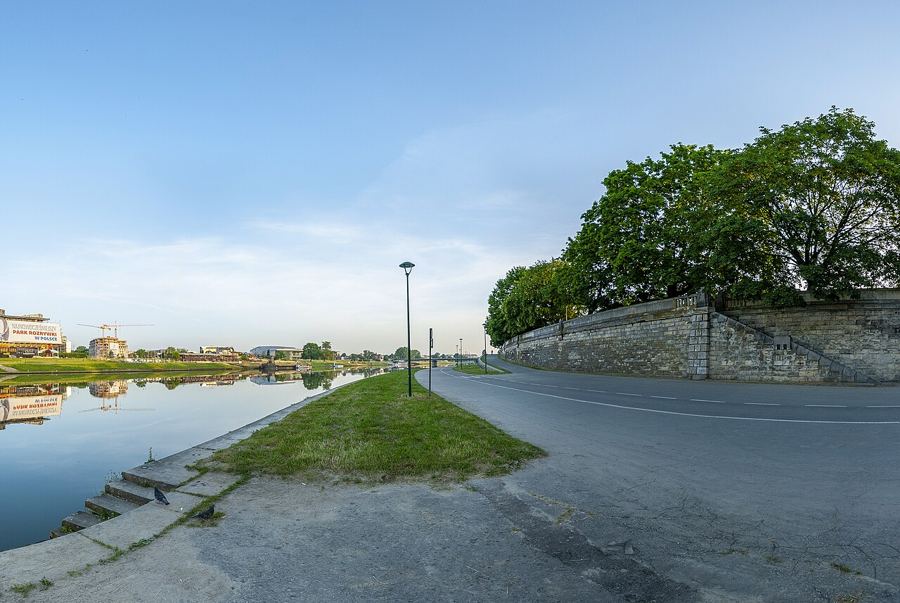 Along the VistulaWalking the Vistula boulevards
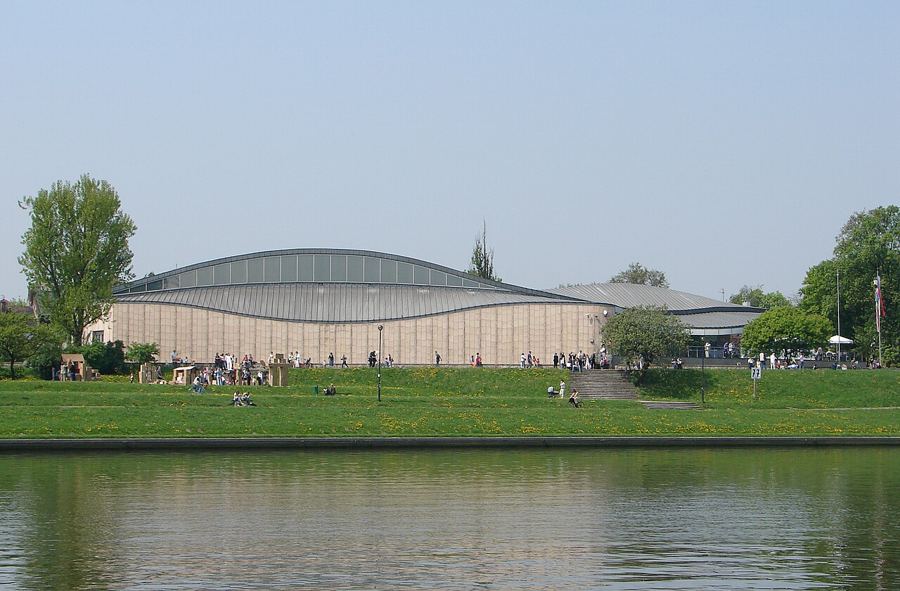 Along the VistulaJapan on the bank opposite Wawel
Photographs used: MOs810 — Creative Commons BY-SA 4.0; Pawelsuder — Creative Commons BY-SA 4.0; Jakub Hałun — Creative Commons BY-SA 4.0; Jakub Hałun — Creative Commons BY-SA 4.0; Panoramer360 — Creative Commons BY-SA 4.0; Luke_33 — Creative Commons BY 2.5