- Period
- since 1994
- Distance
- 20 min from the Rynek
Japan on the bank opposite Wawel
Across the Vistula from Wawel, Manggha carries a collection given in 1920 into a building that opened in 1994.
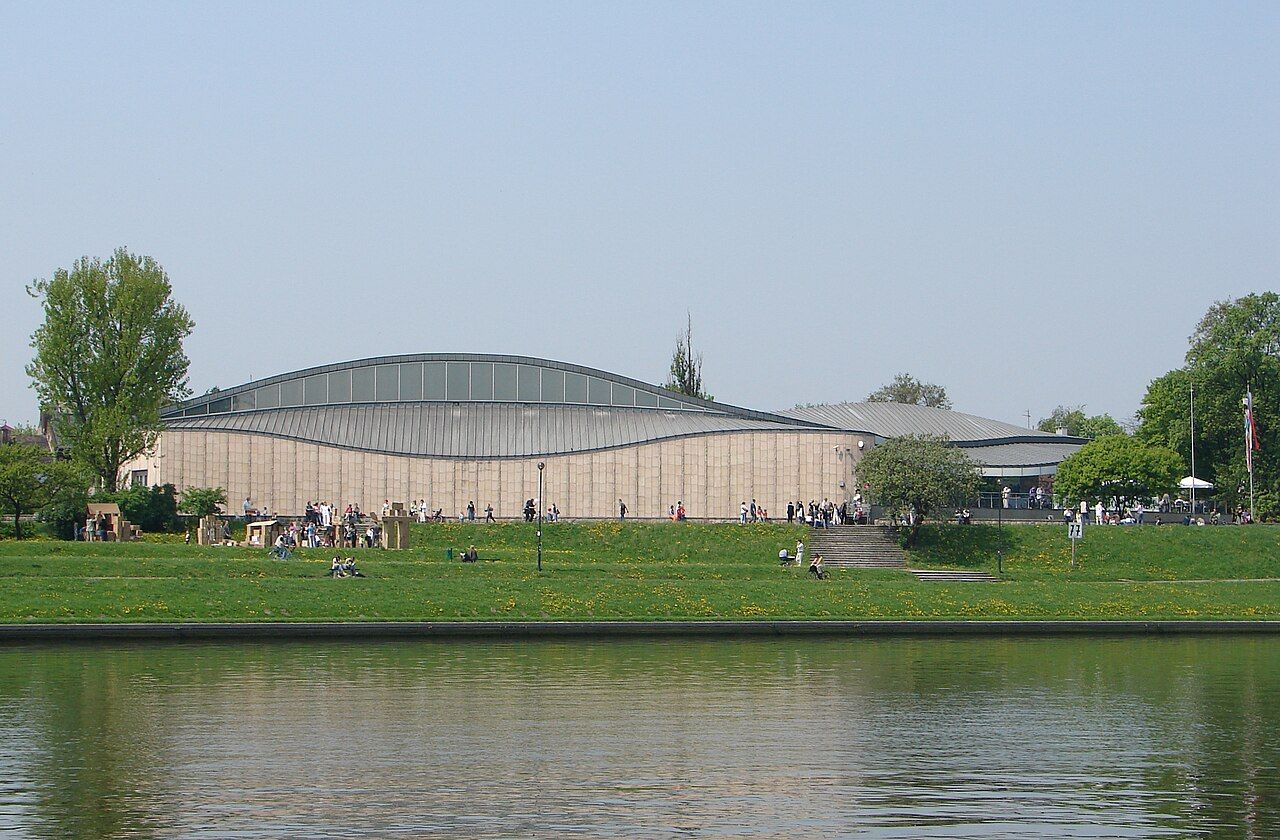
The Manggha Museum of Japanese Art and Technology stands on the Dębniki bank of the Vistula, opposite Wawel. Its story reaches back to a collector and forward to a building that opened in 1994.
Where does Manggha stand?
On one bank is Wawel; on the other, the museum. The Japanese architect Arata Isozaki designed its building, whose roof has a wave-like curve. The river makes the distance between these two Kraków places part of the story.
In the city’s story of museums, Manggha belongs beside the city's first art museum.
What are the practical bearings?
- From Rynek: 20 min
- Manggha opened in 1994.
- It stands opposite Wawel, on the Dębniki bank of the Vistula.
How did a collector’s name reach the museum?
Manggha takes its name from the pen name of Feliks Jasieński, a 19th-century collector of Japanese art. He gave his collection to the National Museum in 1920; it includes thousands of Japanese woodblock prints. A collector’s name and a gift of art have, in time, become part of the name and story of a museum on the opposite bank from Wawel.
What stays with me is the measure of time held in that account. Jasieński’s collection belongs to the 19th-century world of collecting; his gift to the National Museum came in 1920; Manggha opened in 1994. These dates do not make the story feel finished or distant. They give it a gentle, human scale: one person gathered Japanese art, then gave that collection away, and much later a museum took its name from his pen name. The collection includes thousands of woodblock prints, while the building has its own distinct shape, its roof rising in a wave-like curve. I find myself thinking about the meeting of these things: a collection, a name, a building, and the river between Dębniki and Wawel. The museum’s identity holds both the art and the passage of time without needing to make them the same thing. A century separates the collector’s 19th-century life from the museum that opened in 1994, and the name carries that earlier story into the present.
Why does the building matter to its story?
The film director Andrzej Wajda gave his 1987 Kyoto Prize money towards building the museum. So Manggha’s beginning rests not only with Jasieński’s collection, but also with a later gift that helped bring a dedicated building into being. I like the way the story crosses generations without losing its simple thread: Japanese art, a collector’s name, and a place opposite Wawel.
To me, Manggha is a tender meeting of memory and place.
More from Zwierzyniec and the West and beyond
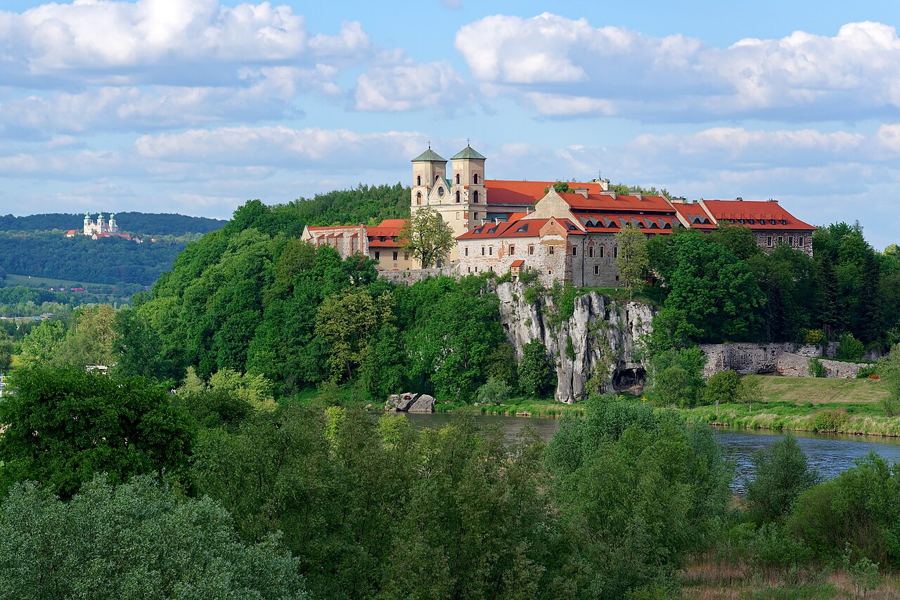 Along the VistulaTyniec Abbey, where the river leads out of Kraków
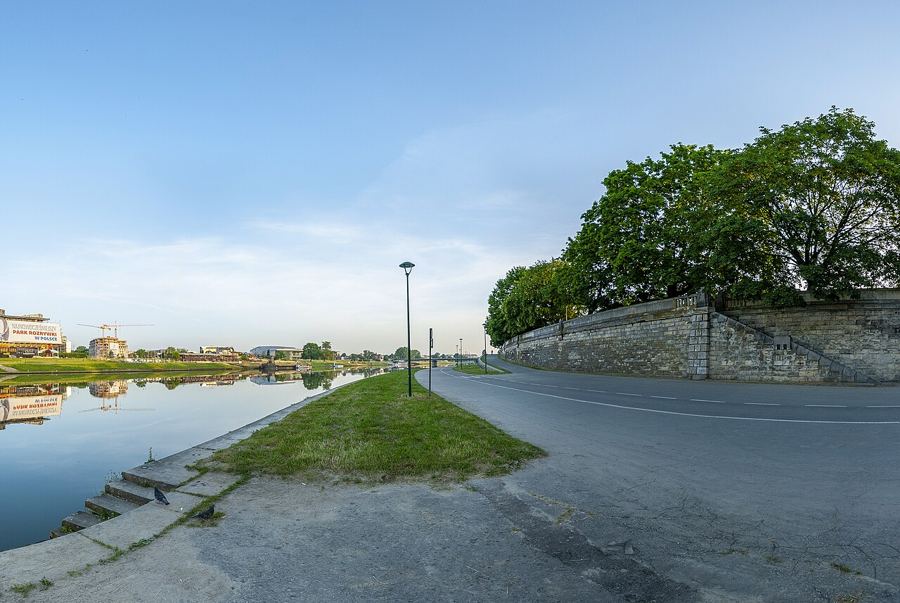 Along the VistulaWalking the Vistula boulevards
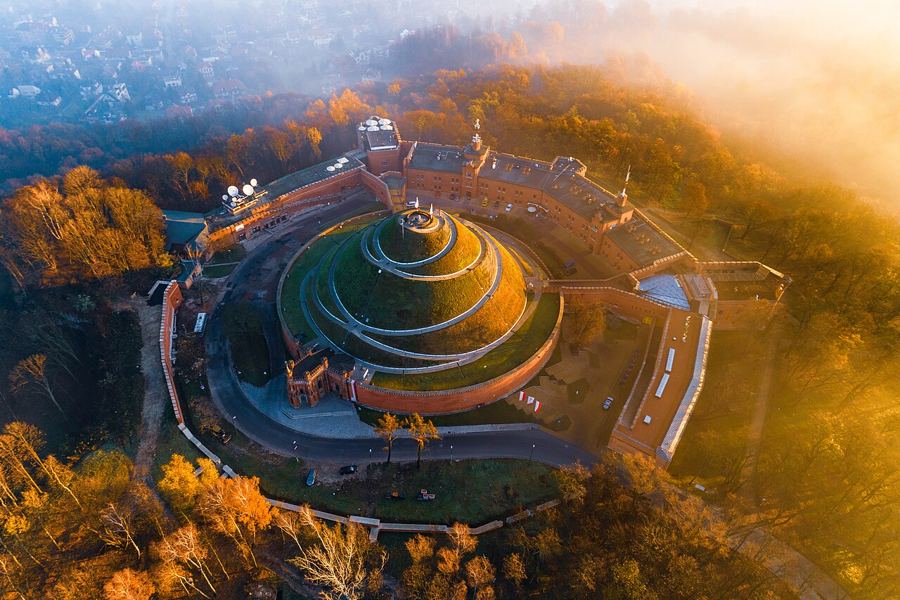 MoundsA mound built for Kościuszko
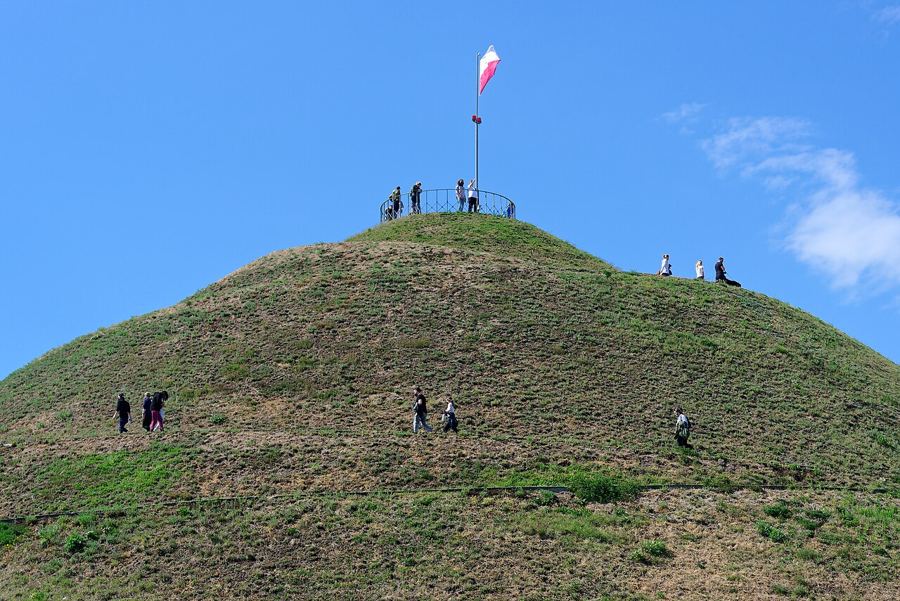 MoundsPiłsudski Mound: soil from the battlefields of independence
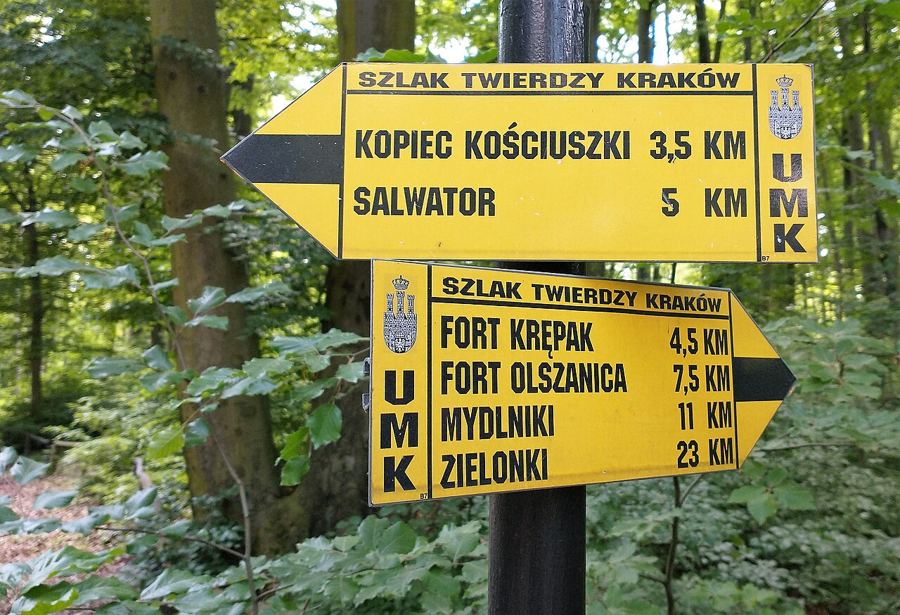 Forest and hermitageThe Wolski Forest at Kraków’s edge
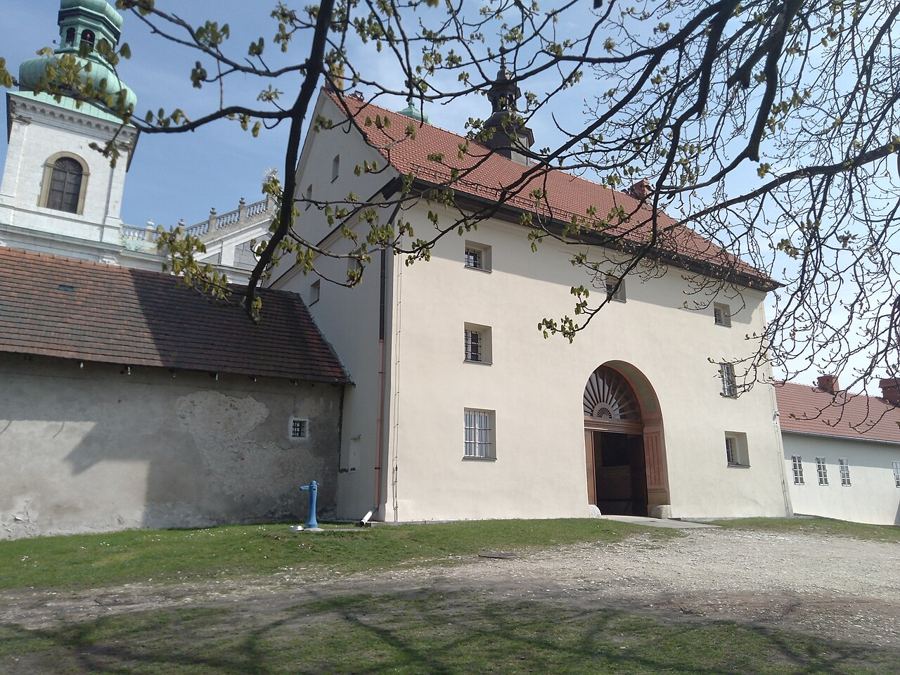 Forest and hermitageHow does Bielany hold its silence?
Photographs used: Jakub Hałun — Creative Commons BY-SA 4.0; Panoramer360 — Creative Commons BY-SA 4.0; Pawelsuder — Creative Commons BY-SA 4.0; Jakub Hałun — Creative Commons BY-SA 4.0; MOs810 — Creative Commons BY-SA 4.0; Kkuba678 — Creative Commons BY-SA 4.0