- Period
- 1900 to today
- Distance
- 20 min from the Rynek
Plac Nowy: the round hall in three lives
At the centre of Kazimierz’s Jewish market square, the Okrąglak holds a story of ritual poultry slaughter, market days and the rise of the zapiekanka.
The round hall sits in the middle of Plac Nowy, with small hatches in its walls serving food to passers-by. I begin with that simple picture: a building at the centre of the square, and a story that keeps changing its use without changing its place in the middle.
Was the Okrąglak built for zapiekanki?
Myth: The round hall was made for the snack that is now associated with Plac Nowy.
Fact: The Okrąglak was built in 1900. The zapiekanka became a popular street food in Poland in the 1970s, much later. It is half a baguette topped with mushrooms and melted cheese, toasted and finished with ketchup.
That gap between the building and the food is part of what I like about the square’s story. The hall belongs to one time; the snack belongs to another. Yet the hatches now bring the two together, and Plac Nowy is especially known across Poland for its zapiekanki. The round walls are not only a shape to pass by; they serve food through small openings.
Was it always an ordinary market hall?
Myth: The Okrąglak has always had only the everyday purpose suggested by the words “market hall”.
Fact: From 1927, it served as a ritual poultry slaughterhouse for the Jewish community. Plac Nowy is the main market square of the Jewish part of Kazimierz, and it is also known locally as Żydowski Rynek, the Jewish market.
I find it difficult to reduce the round building to a single label. “Market hall” names it; its history gives that name more weight. From 1927, its role was a specific one within the Jewish community. Now its small hatches serve food. Each use belongs to the same central structure, but they do not mean the same thing.
Does the square have just one kind of market?
Myth: The word “market” describes the same scene on every day.
Fact: A market of fruit, vegetables and household goods is held on Plac Nowy on weekdays. On Sundays, the square becomes a flea market.
There is a quiet pleasure in that change of purpose across the week. The square’s name remains constant, while what is gathered there differs. I think of the word “market” as a broad doorway: it can open on produce and household goods, on a flea market, or on food served from the Okrąglak’s hatches.
- From Rynek: 20 min
- Era: 1900 to today
These are not separate addresses or separate stories. The round hall stands in the square, and the square has its own rhythms of weekday market and Sunday flea market. The building’s story moves from its construction in 1900, to its service as a ritual poultry slaughterhouse from 1927, to the food hatches used today.
I find myself thinking of the city's twisted bread ring, but here the zapiekanka is the food tied especially closely to Plac Nowy. A half baguette, mushrooms, melted cheese and ketchup: a plain description that carries the square’s later life in a few words.
Is one use the whole story?
Myth: A building can be summed up by the name people use for it now.
Fact: The Okrąglak is a round market hall built in 1900, served as a ritual poultry slaughterhouse from 1927, and now has small hatches serving food. Plac Nowy, meanwhile, holds weekday markets and a Sunday flea market, and is especially known across Poland for its zapiekanki.
That is the answer I keep returning to: not one use, but layers held in one place. The Okrąglak gives Plac Nowy its centre, and its changing roles give the square a memory I can feel even in the plain facts.
Plac Nowy feels like a square whose past still has a place at the counter.
More from Kazimierz and beyond
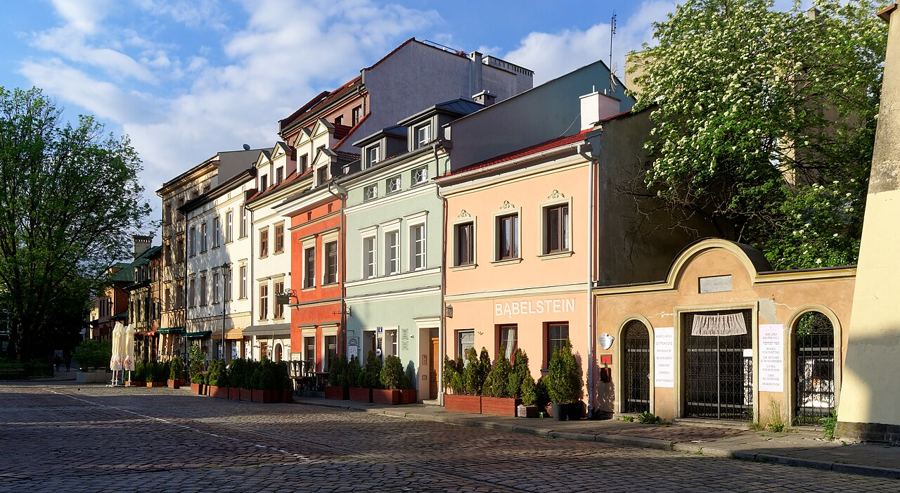 Squares and the island townHow can Kazimierz still feel like a town on an island?
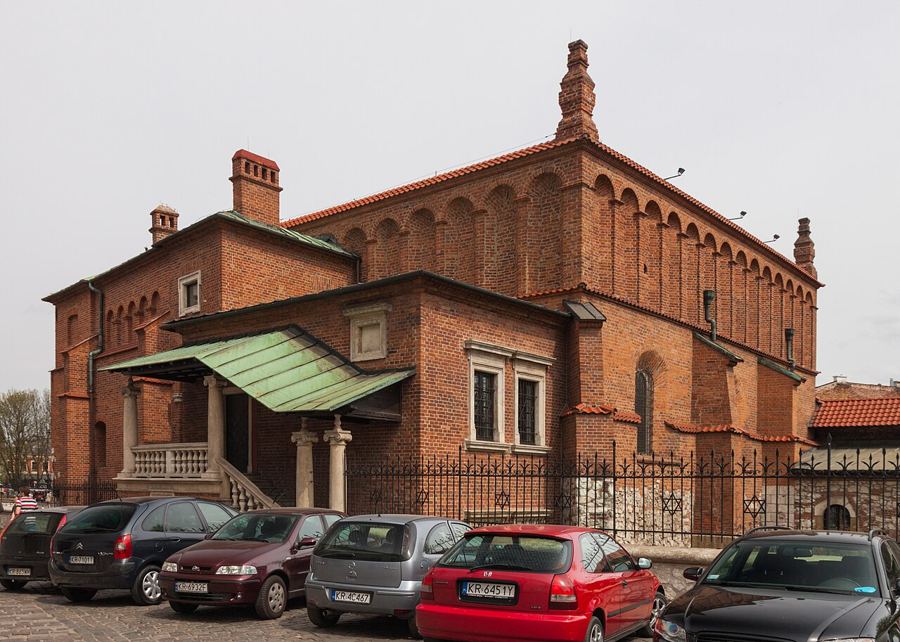 SynagoguesWhat does the Old Synagogue hold in one prayer hall?
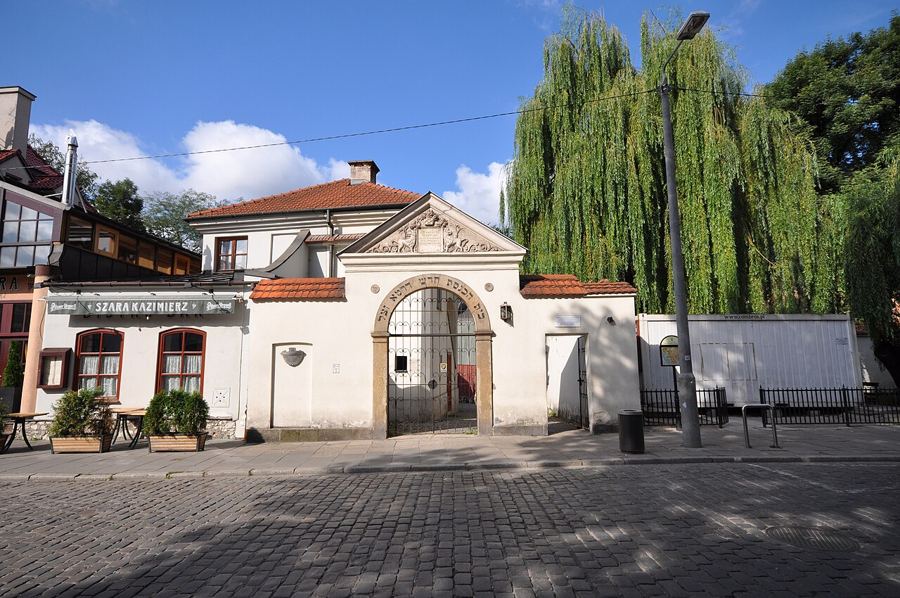 SynagoguesIs the Remuh Synagogue only a memory?
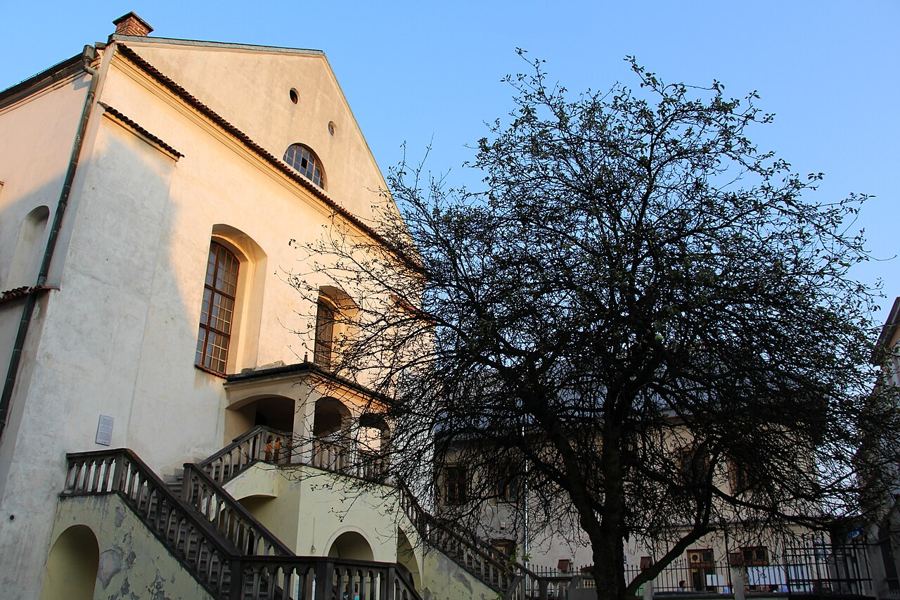 SynagoguesIzaak's Synagogue and the scale of seventeenth-century Kazimierz
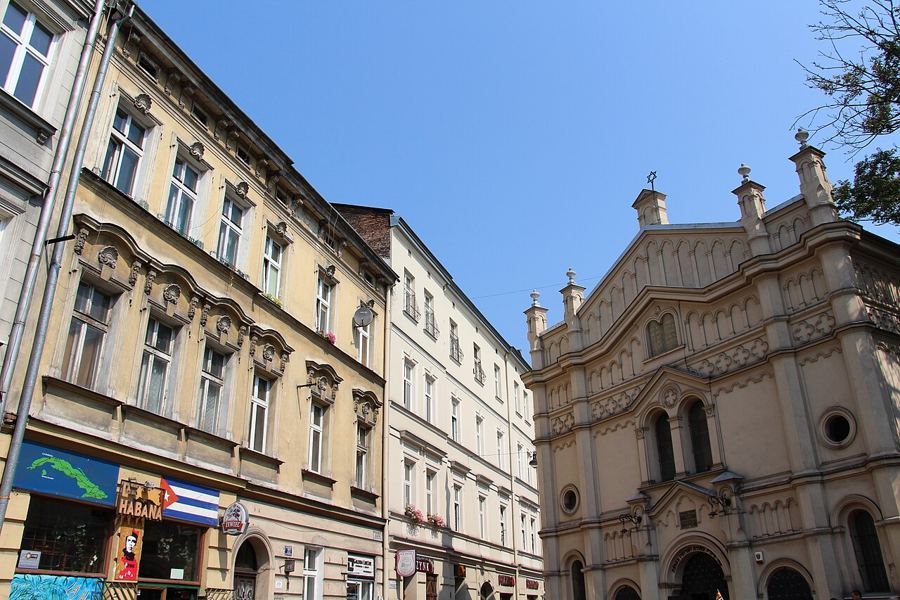 SynagoguesWhat does the stained glass tell me at Tempel Synagogue?
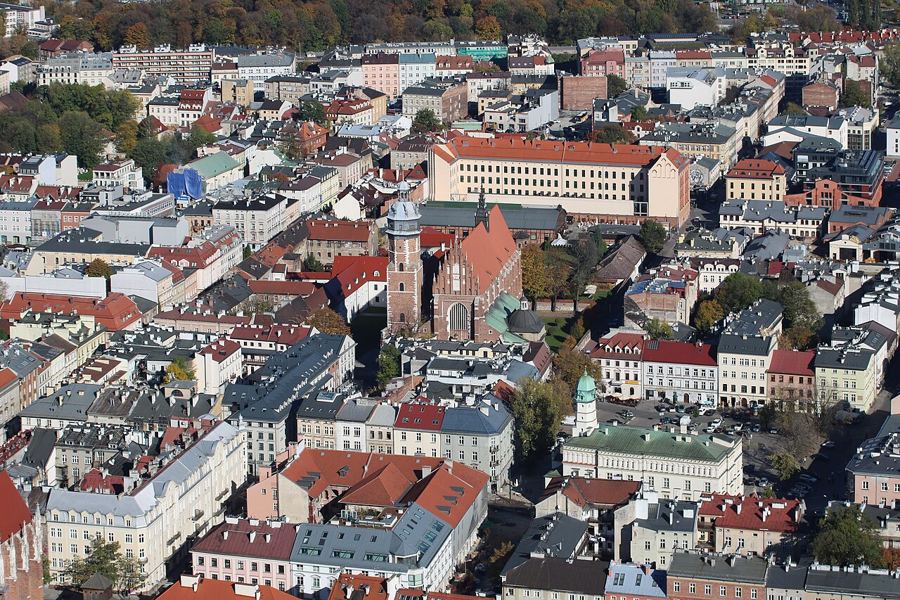 Churches by the riverHow does Corpus Christi tell the story of Christian Kazimierz?
Photographs used: Jakub Hałun — Creative Commons BY-SA 4.0; Marcin Konsek — Creative Commons BY-SA 4.0; Jorge Láscar from Australia — Creative Commons BY 2.0; Fred Romero from Paris, France — Creative Commons BY 2.0; Fred Romero from Paris, France — Creative Commons BY 2.0; Ingo Mehling — Creative Commons BY-SA 4.0