- Period
- 17th century
- Distance
- 20 min from the Rynek
Izaak's Synagogue and the scale of seventeenth-century Kazimierz
Built with a wealthy merchant’s money, Izaak’s Synagogue is Kraków’s largest. Its high hall and surviving decoration make the scale of Kazimierz’s seventeenth century tangible.
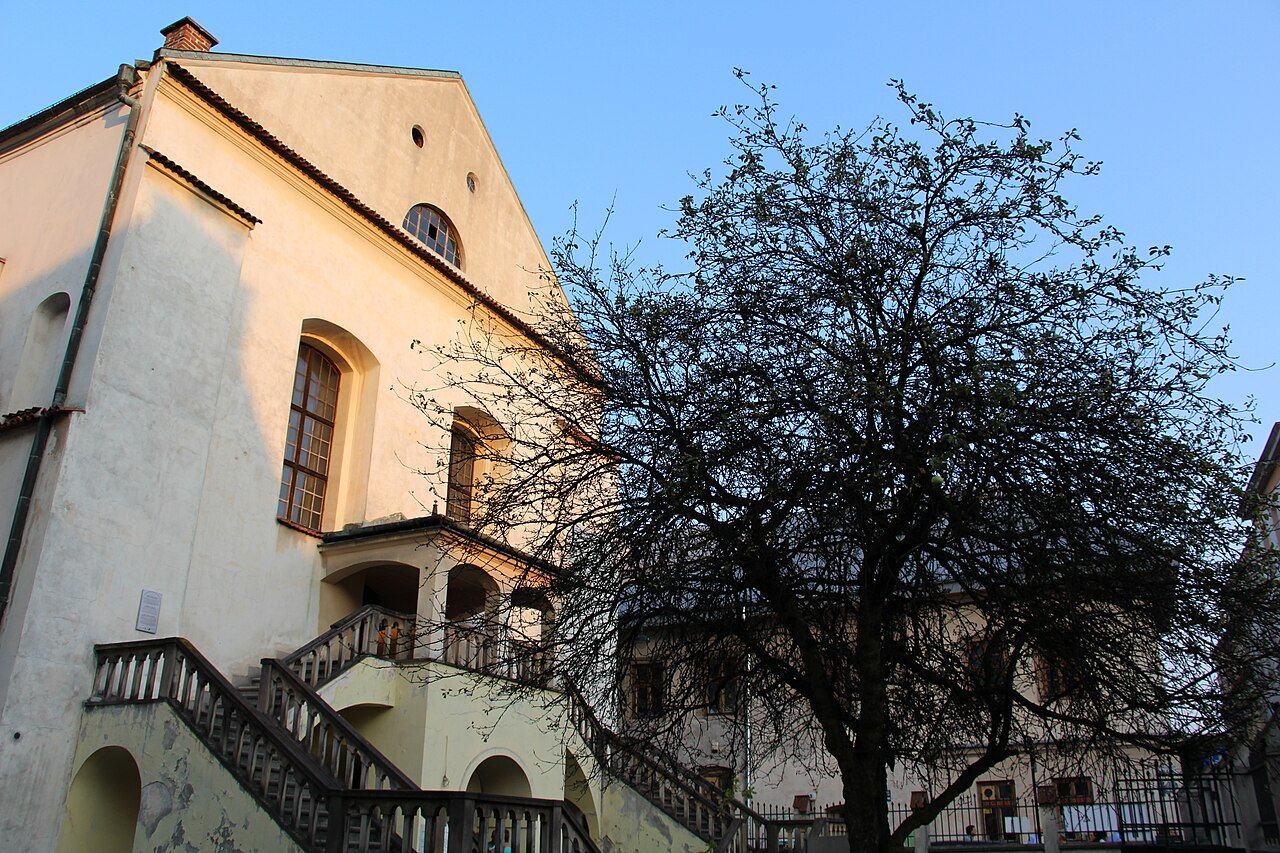
What is the first thing I notice?
The high barrel-vaulted hall gives Izaak’s Synagogue its measure. I keep returning to that sense of scale: this is the largest synagogue in Kraków, built in early Baroque style in Kazimierz. It stands on Kupa Street, a short walk from Szeroka Street. The streets around it hold a seventeenth-century story that feels larger when I pause at this building.
Who paid for it?
Izaak Jakubowicz, a wealthy merchant and banker of Kazimierz, funded the synagogue. It was built between 1638 and 1644. Those years place its making in the seventeenth century, but the scale is not an abstract date to me. It gives the name of a person and a period a physical presence: a high hall, made possible by a merchant’s wealth.
What remains from that period?
Inside, stucco decoration and painted inscriptions from the seventeenth century survive. I find myself thinking of these details alongside the height of the hall. The scale is not only in the building’s size; it is also in the care and labour represented by the decoration and inscriptions. They make the synagogue feel like more than a marker of an era. I can imagine the distance between its construction and the present without needing to add anything to the facts: the building has stood through a great deal, and some of its interior still carries traces of its earliest years. The story of Kazimierz’s religious buildings also includes a 19th-century progressive synagogue. I like the way the two phrases hold different periods in view, though I return here to the earlier one, to the high hall and the marks that remain within it.
What happened to the building later?
German forces stripped and damaged Izaak’s Synagogue during the occupation. After the war, it was used for many years as workshops and a store. These facts sit beside the surviving decoration without making the history feel tidy. I notice the contrast: a building made on a large scale, damaged, put to other uses, and still holding details from the seventeenth century.
Why does its scale stay with me?
Izaak’s Synagogue makes Kazimierz’s seventeenth-century scale feel present, rather than distant.
More from Kazimierz and beyond
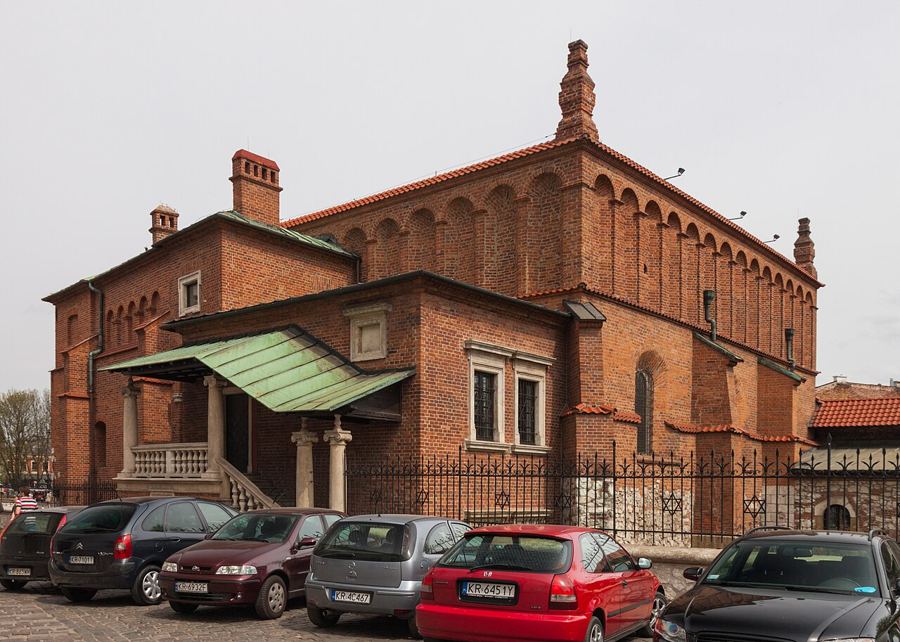 SynagoguesWhat does the Old Synagogue hold in one prayer hall?
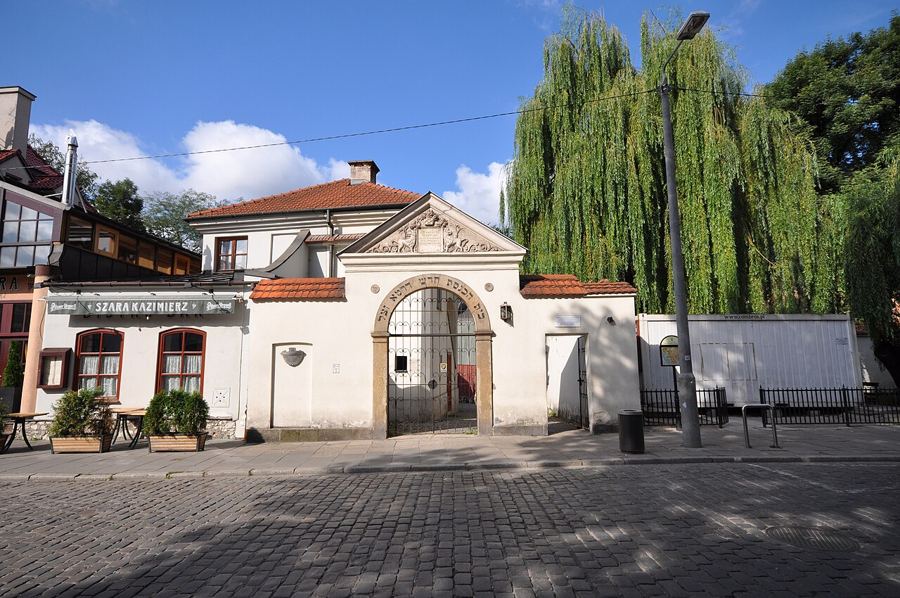 SynagoguesIs the Remuh Synagogue only a memory?
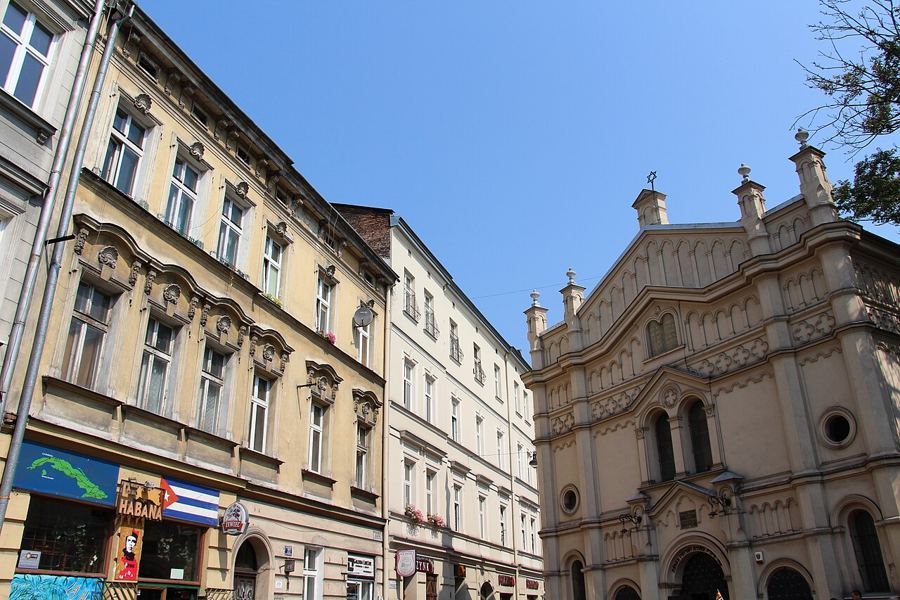 SynagoguesWhat does the stained glass tell me at Tempel Synagogue?
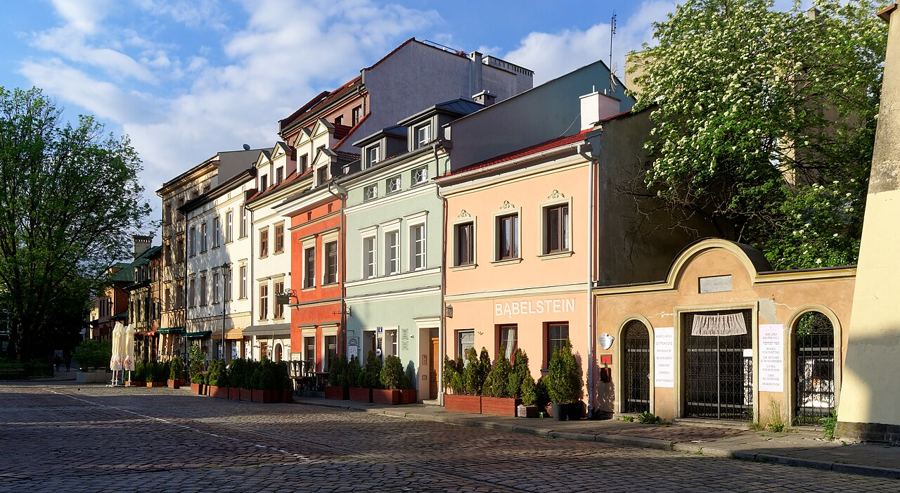 Squares and the island townHow can Kazimierz still feel like a town on an island?Squares and the island townPlac Nowy: the round hall in three lives
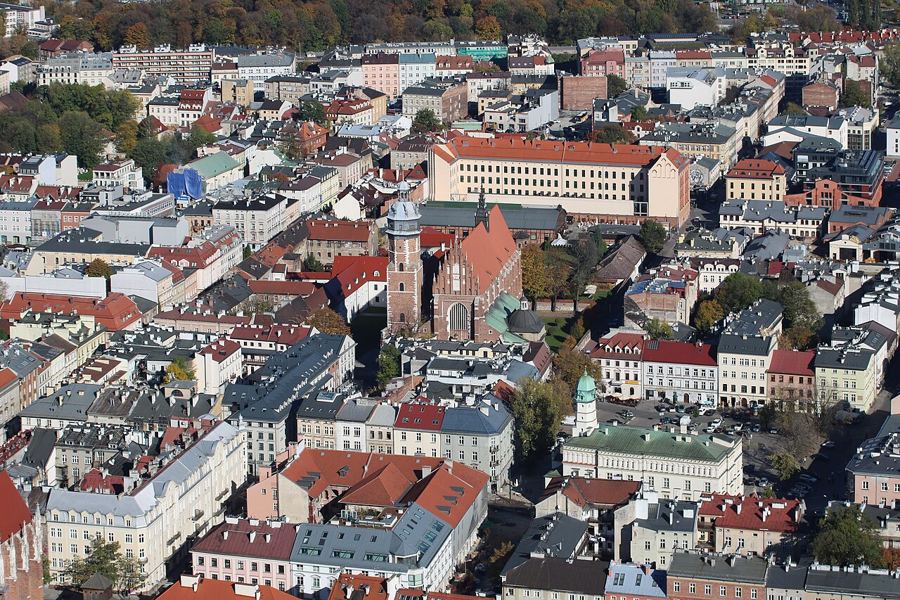 Churches by the riverHow does Corpus Christi tell the story of Christian Kazimierz?
Photographs used: Marcin Konsek — Creative Commons BY-SA 4.0; Jorge Láscar from Australia — Creative Commons BY 2.0; Fred Romero from Paris, France — Creative Commons BY 2.0; Jakub Hałun — Creative Commons BY-SA 4.0; Ingo Mehling — Creative Commons BY-SA 4.0