- Period
- 1940-1945
- Distance
- 1.5 h by bus from the Rynek
Auschwitz-Birkenau: remembering the camp and its victims
A plain account of the memorial near Oświęcim: the camp’s history, the people murdered there, and the remains preserved at Birkenau.
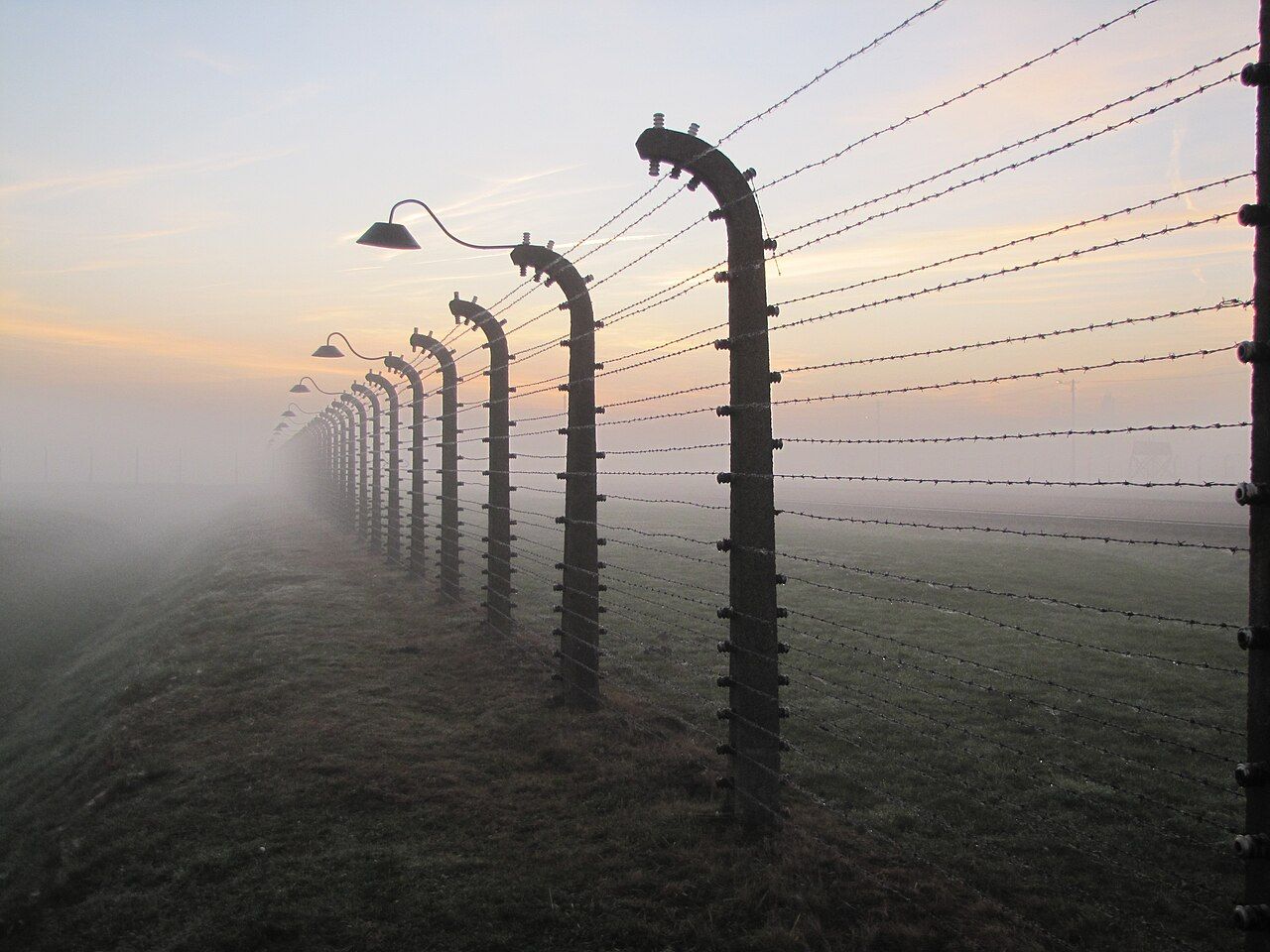
The Auschwitz-Birkenau Memorial and Museum lies near the town of Oświęcim, about 65 kilometres west of Kraków. It preserves the site of the German Nazi concentration and extermination camp, where at least 1.1 million people were murdered.
How did the camp begin?
Nazi Germany set up the Auschwitz camp in 1940 in pre-war Polish army barracks. Auschwitz II–Birkenau was built in 1941 near the village of Brzezinka, about 3 kilometres from the first camp. The two names speak of connected sites, and of a history that cannot be reduced to a single building or boundary.
The memorial and museum was established by the Polish parliament in 1947. In 1979, UNESCO recognised the site as a World Heritage property. These dates mark the later work of preserving and remembering a place made for imprisonment and murder; they do not lessen what happened there.
Who was murdered at Auschwitz?
At least 1.1 million people were murdered at Auschwitz, about one million of them Jews. Poles, Roma, Soviet prisoners of war and people of other nations were also murdered there. These words name communities and groups, but they cannot contain the lives of the people within them.
I find that the figures need to be stated plainly, without being made into a scale for comparison. The number of Jewish people murdered is part of the full count, not an account separate from it; the other victims belong in the same telling. Poles, Roma, Soviet prisoners of war and people of other nations are not an afterthought to the history of Auschwitz. I return to the simple fact that every figure refers to human beings, even when the number is too large to hold in the mind all at once.
The place names matter, too. Auschwitz and Birkenau identify parts of the camp complex, while Oświęcim and Brzezinka locate them near towns and a village. I cannot make those names carry the experiences of the people who were imprisoned and murdered there. I can only set down what the site marks: the camp, the people killed, and the remains preserved. I keep coming back to the difference between naming a fact and being able to comprehend it. The first is necessary; the second does not come simply because the numbers have been read.
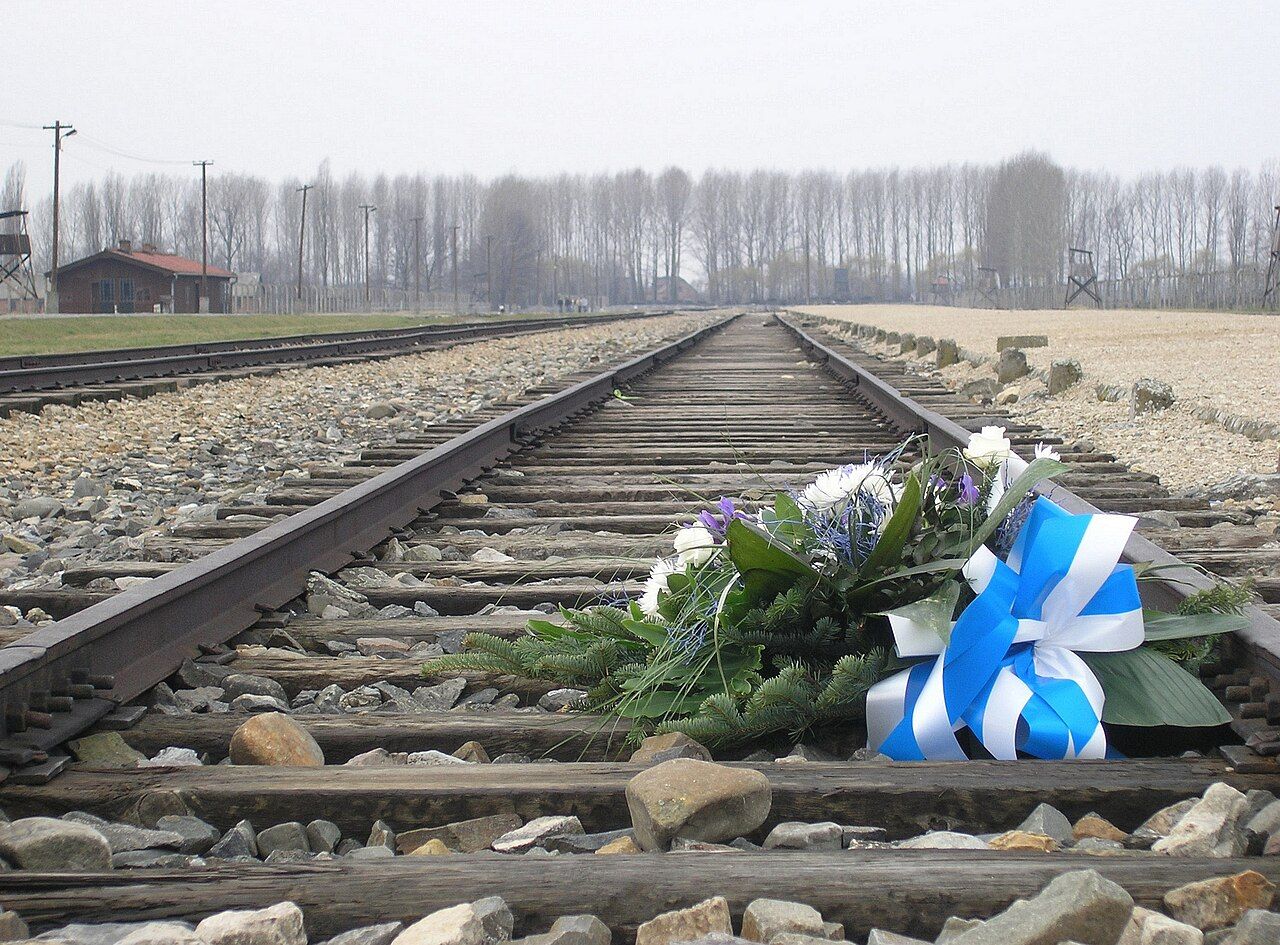
What remains at Birkenau?
Barracks, ruins of gas chambers and crematoria, and the railway ramp are preserved at Birkenau. The International Monument to the Victims of the camp stands at the end of that railway ramp. The remains and the monument are part of the memorial site; neither should be treated as scenery apart from the history they mark.
The range of what is preserved gives the word “site” a difficult breadth. There are barracks, ruins, and the ramp; there is also the monument at its end. I stay with those facts rather than trying to supply a scene or feeling for every visitor. The names of the structures are plain. Their place in the history of the camp is not.
What dates help place its history?
- 1940: Nazi Germany set up the Auschwitz camp in pre-war Polish army barracks.
- 1941: Auschwitz II–Birkenau was built near Brzezinka. Father Maximilian Kolbe gave his life in place of another prisoner at Auschwitz that year.
- 27 January 1945: Soviet soldiers entered Auschwitz.
- 1947: the Polish parliament established the memorial and museum.
- 1979: UNESCO recognised the site as a World Heritage property.
27 January is observed as International Holocaust Remembrance Day. The date connects the entry of Soviet soldiers into Auschwitz with an annual act of remembrance. Father Maximilian Kolbe’s sacrifice is another fact held within the camp’s history: he gave his life in place of another prisoner in 1941. I mention it without turning one life into a substitute for the many lives taken there.
At least 1.1 million people were murdered at Auschwitz, about one million of them Jews.
How does the history sit alongside Kraków?
The memorial is about 65 kilometres west of Kraków, but its history is not a chapter that can be softened by distance. In the city, the memorial of the Podgórze ghetto belongs to another history of persecution and remembrance. The places are not interchangeable. I find it important to let each name remain attached to the people and events it marks.
What is the memorial for?
It preserves the site of the camp and remembers the people murdered there. The barracks, ruins, railway ramp and International Monument remain part of that work of remembrance. I end with the facts the place holds: the names, the dates, and the lives that no count can restore.
More from Around Kraków and beyond
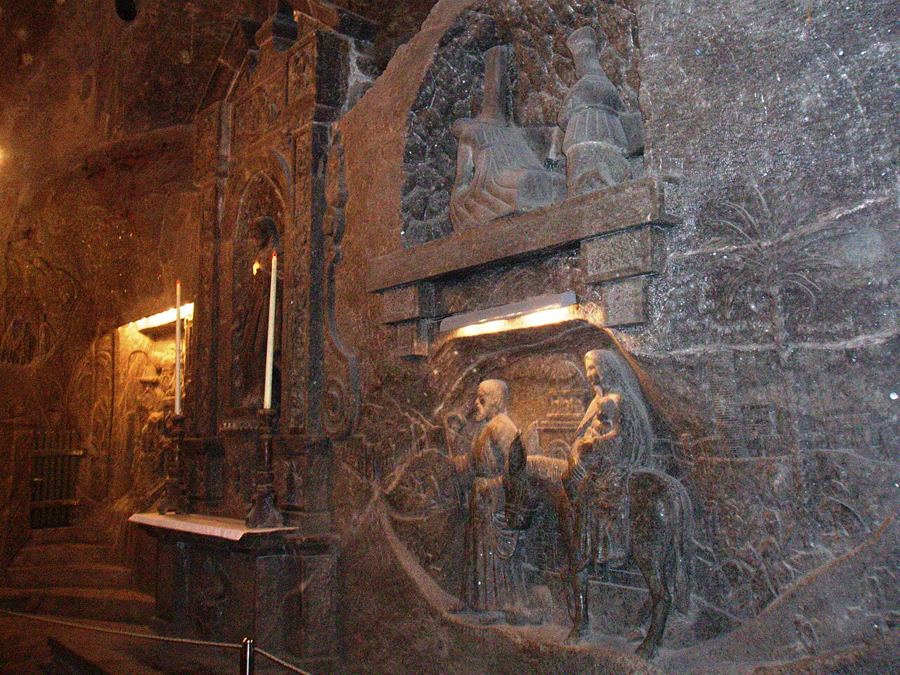 Salt undergroundDown into Wieliczka’s salt cathedral
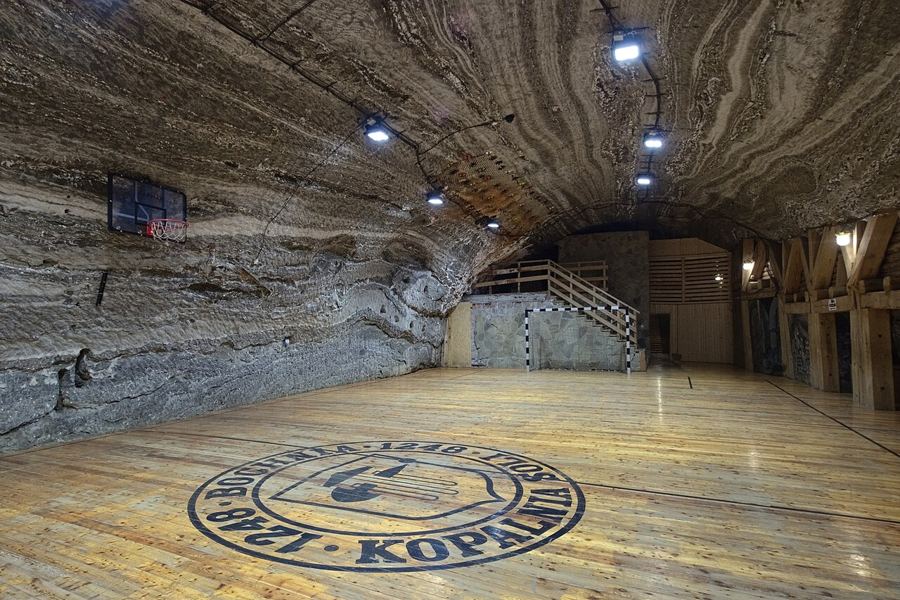 Salt undergroundBochnia: Kraków’s other salt mine
 Limestone valleysWhat does Ojców’s limestone gorge hold?
 Limestone valleysHow do Pieskowa Skała and Hercules’ Club belong together?
 Podhale and the TatrasZakopane and the style that grew from it
 Podhale and the TatrasThe Tatras: what the ridge, lake and summits tell us
Photographs used: Kanonkrajoznawczy — Creative Commons BY-SA 3.0; Adrian Tync — Creative Commons BY-SA 4.0; Dwxn — Creative Commons BY-SA 4.0; BogTar200917 — Creative Commons BY-SA 4.0; Piotrekwas — Creative Commons BY-SA 3.0; Tadeusz Rząca — public domain the file
